Predictive Biomarkers vs Prognostic Biomarkers: Role in Companion Diagnostics

Predictive and prognostic biomarkers are helping move therapeutic development and clinical decision-making from broad treatment approaches toward more personalized care. This article clarifies their distinct roles, explains how predictive biomarkers support companion diagnostics and highlights key challenges in biomarker development, validation, and clinical adoption.
Key Takeaways
- Predictive biomarkers identify patients most likely to respond to a specific therapy, guiding treatment selection and reducing exposure to ineffective drugs
- Prognostic biomarkers provide information on disease outcome independent of therapy, supporting risk stratification and clinical trial design
- Companion diagnostics are built on predictive biomarkers and play a central role in personalized medicine by linking therapies to validated diagnostic tests
- Developing biomarkers requires rigorous validation, standardized assays and regulatory alignment to ensure reproducibility and clinical utility
- Integration of biomarkers into drug discovery improves trial efficiency, supports evidence generation and accelerates the translation of molecular insights into patient care
See how Danaher Life Sciences can help
What Is a Predictive Biomarker?
A predictive biomarker is a measurable biological characteristic that forecasts a patient's response to a specific therapy. In precision medicine, clinicians assess these biomarkers before treatment begins to estimate the likelihood of benefit, helping distinguish likely responders from non-responders.1
In companion diagnostics, predictive biomarkers are measured by validated tests that help identify patients who are most likely to benefit from, or be at increased risk from, a specific therapy.
EGFR mutations are one of the most well-characterized predictive biomarkers. In non-small cell lung cancer, they predict response to EGFR tyrosine kinase inhibitors, such as erlotinib and gefitinib. Because patients without these mutations generally do not benefit from these inhibitors, EGFR status is considered a decisive factor in treatment planning.2
What Is a Prognostic Biomarker?
A prognostic biomarker is a biological characteristic that provides information about the likely course or outcome of a disease, independent of treatment choice. Unlike predictive biomarkers, which guide treatment selection by identifying likely responders, prognostic biomarkers help estimate progression, recurrence risk or overall survival.3
For instance, HER2 overexpression in breast cancer has historically been associated with more aggressive disease and poorer outcomes, while HER2 testing can also guide the use of HER2-targeted therapies. This makes HER2 a useful example of a biomarker that can have both prognostic and predictive relevance depending on clinical context.4
To summarize, predictive biomarkers help decide which treatment works best, while prognostic biomarkers reveal how the disease is likely to behave.
Predictive vs Prognostic Biomarkers: Key Differences
Overviews of predictive and prognostic biomarkers are often conflated, but they address distinct clinical questions and serve complementary roles in precision medicine. The table below highlights their differences:4
What Are Companion Diagnostics?
Before a targeted therapy is prescribed, clinicians often need to know whether a patient has the biomarker profile associated with benefit, risk, or response monitoring. Companion diagnostics are designed to provide therapy-linked information.
Companion diagnostics are laboratory tests or assays directly linked to a drug or biologic, used to identify patients for whom the therapy is safe and effective. They support clinicians in choosing the right therapy by confirming the presence of actionable biomarkers, ensuring that clinical trials and treatments are tailored to the right patient populations.6
Because many companion diagnostics are used to identify patients likely to benefit from a treatment, they are closely tied to predictive biomarkers. Their development and validation are central to regulatory strategy because agencies may expect the diagnostic and therapy to be developed in parallel when the test is essential for safe and effective use of the drug.7
Predictive Biomarker Development Workflow
The development of a predictive biomarker follows a structured, multi‑stage process that ensures scientific rigor, clinical relevance and regulatory compliance. Each step builds toward the ultimate goal of implementing a validated companion diagnostic in clinical practice.8
- Biomarker discovery: Identify potential biological markers associated with treatment response through exploratory research and omics studies
- Candidate selection: Prioritize promising biomarkers based on biological plausibility, preliminary data and relevance to therapeutic targets
- Assay development: Design and optimize laboratory assays capable of reliably measuring the biomarker in patient samples
- Analytical validation: Confirm assay performance, including sensitivity, specificity, reproducibility and robustness across sample types
- Clinical validation: Demonstrate that biomarker status correlates with treatment response in well‑designed clinical trials
- Clinical utility assessment: Evaluate whether biomarker testing improves patient outcomes, guides therapy selection and adds value to clinical decision‑making
- Regulatory approval: Submit evidence to regulatory agencies to gain approval for biomarker‑linked diagnostic tests
- Companion diagnostic implementation: Integrate the approved test into clinical workflows, ensuring accessibility and compliance with treatment guidelines
This workflow ensures that predictive biomarkers progress from discovery to clinical utility, ultimately enabling safe and effective use of targeted therapies in precision medicine.
Why Predictive Biomarkers Matter in Drug Discovery
Predictive biomarkers matter in drug discovery because they connect biological mechanisms, patient selection, and therapeutic development strategy. For a TOFU audience, this section is strongest when it explains the practical value plainly before moving into trial efficiency and evidence generation.
Their value begins in the earliest stages of development, where they guide target selection by highlighting clinically actionable molecular pathways. This ensures that research efforts focus on mechanisms with the greatest potential to benefit patients.9
Equally important is their role in patient stratification. By distinguishing responders from non‑responders, predictive biomarkers allow clinical trials to enroll patients most likely to benefit, reducing variability and increasing the efficiency of study outcomes. This stratification feeds directly into trial design, improving confidence in therapeutic development by aligning the right drug with the right patient population.10
Beyond these design advantages, predictive biomarkers help reduce the number of failed trials by minimizing exposure of non-responding participants to ineffective therapies. They also strengthen evidence generation by linking biomarker status to clinical endpoints, which is critical for regulatory submissions and eventual approval.10
The translation of predictive biomarkers into clinical practice hinges on advanced research tools and assay platforms, such as sequencing technologies and immunoassays. Protocols implementing these tools must be thoroughly designed and monitored to obtain reliable and reproducible measurements.11
Applications in Precision Medicine
In precision medicine, predictive biomarkers help clinical teams match therapies to patient biology. Their use is especially prominent in oncology, immunotherapy and targeted therapies, where biomarker testing can guide treatment selection and help avoid options that are unlikely to benefit a given patient.
Oncology:
- BRAF V600E mutation in melanoma → predicts response to BRAF inhibitors such as vemurafenib12
- ALK rearrangements in non-small cell lung cancer → identify patients who benefit from ALK inhibitors like crizotinib13
Immunotherapy:
- PD-L1 expression in tumors → used to select patients for immune checkpoint inhibitors such as pembrolizumab14
- Microsatellite instability (MSI-high) status → predicts response to immunotherapy across multiple cancer types15
Targeted therapies:
- BRCA1/2 mutations in ovarian and breast cancer → guide use of PARP inhibitors16
- NTRK gene fusions → predict benefit from TRK inhibitors like larotrectinib17
By enabling clinicians to match therapies to the right patients, predictive biomarkers minimize the risk of toxicity, improve outcomes and streamline clinical development. They also provide translational relevance for both drug discovery and diagnostics, ensuring that molecular insights are directly connected to therapeutic success and diagnostic innovation.
Challenges in Developing Predictive Biomarkers
The path from biomarker discovery to clinical implementation is complex and several challenges can undermine the reliability and utility of predictive biomarkers. Each challenge must be addressed to ensure that biomarkers are sufficiently reliable for clinical use and eventual implementation as companion diagnostics.18
Biological complexity
- Biological heterogeneity: Patient populations vary widely in genetics, tumor biology and immune responses. This diversity makes it difficult to identify biomarkers that consistently predict treatment response across different groups. Without accounting for heterogeneity, biomarkers risk being too narrow or unreliable.
- Tumor evolution: Cancers are dynamic and can evolve under treatment pressure, leading to biomarker changes over time. A marker that predicts response at diagnosis may lose relevance as the tumor adapts, complicating long‑term treatment planning.
Assay and data reliability
- Biomarker reproducibility: Findings must be replicated across independent studies, cohorts and laboratories. Reproducibility is often undermined by small sample sizes or inconsistent methodologies, which weakens confidence in clinical application.
- Assay standardization: Different platforms and protocols can yield variable results for the same biomarker. Without standardized assays, clinicians may interpret biomarker status differently, reducing trust in diagnostic outcomes.
- Sample quality: Biomarker detection depends on high‑quality biological material. Poor handling, limited tissue availability or degraded samples can compromise accuracy, especially in liquid biopsy or archival specimens.
Regulatory and clinical adoption
- Clinical validation: Demonstrating that a biomarker reliably predicts treatment response requires large, diverse patient cohorts and rigorous trial designs. This step is resource‑intensive and often slows translation into practice.
- Regulatory complexity: Biomarkers tied to companion diagnostics must meet evolving regulatory requirements for both drugs and diagnostics. Navigating these frameworks adds significant time and cost to development.
- Population diversity: Biomarkers validated in narrow or homogeneous cohorts may not perform consistently across broader patient populations. Inclusive study design and representative validation cohorts are essential to ensure that biomarker-guided decisions remain reliable in real-world clinical settings.
- Real-world evidence: Beyond clinical trials, biomarkers must prove utility in routine practice, where patient variability and healthcare settings differ. Collecting robust real‑world data is essential for long‑term adoption.
Regulatory and Validation Considerations
Developing and implementing predictive biomarkers requires careful attention to regulatory and validation frameworks. The process begins with analytical validation, which ensures that the assay used to measure the biomarker is accurate and consistent. Without this foundation, downstream clinical decisions cannot be trusted.19
The next stage is clinical validation, where the biomarker must demonstrate a consistent association with treatment response across diverse patient populations. This step is critical to proving that the biomarker is not only scientifically interesting but also clinically useful.19
Another consideration is the distinction between laboratory‑developed tests (LDTs) and formal companion diagnostics. While LDTs may be used in research or limited clinical settings, companion diagnostics undergo rigorous regulatory review and are tied directly to therapeutic approval.19
For biomarkers intended to serve as companion diagnostics, regulatory approval pathways further complicate their development and validation. Agencies such as the FDA and EMA often require co‑development of the diagnostic alongside the therapy, ensuring both are validated together. This process requires robust quality systems, including documented SOPs, audits and compliance with international standards, to guarantee patient safety and well-being.1
Featured Product
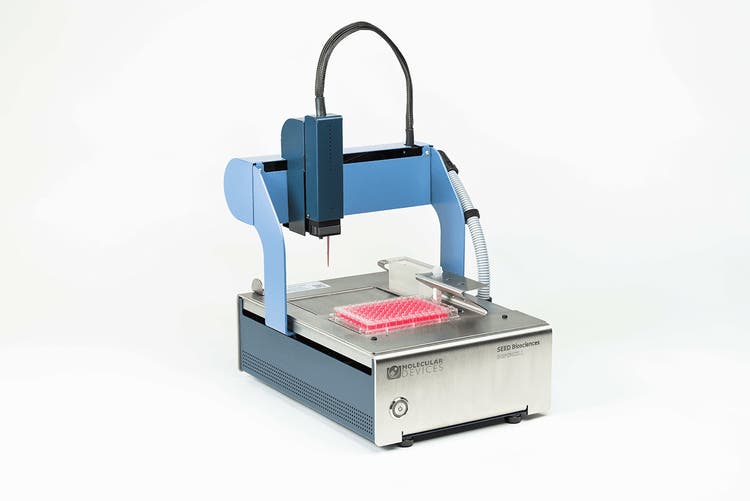
DispenCell™ Single-Cell Dispenser
DispenCell™ Single-Cell Dispenser - a compact, automated instrument for fast, gentle single-cell isolation with immediate, traceable proof of clonality, suited to rare-cell workflows.
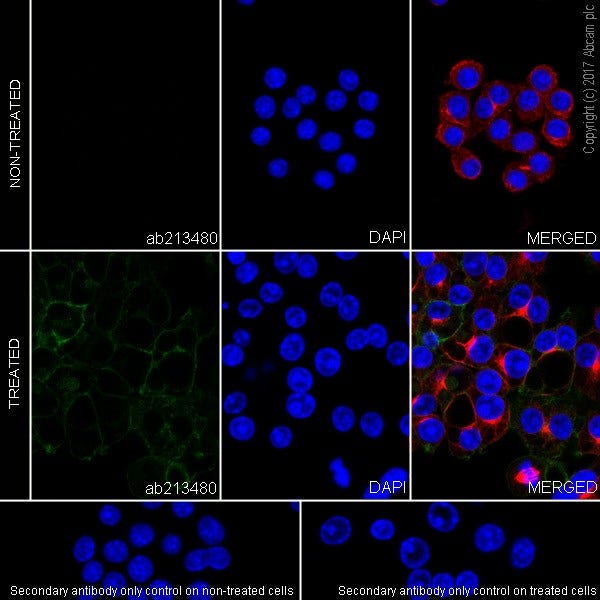
Anti-PD-L1 antibody [EPR20529](AB213480)
A recombinant rabbit monoclonal antibody for detecting PD-L1, validated for immunofluorescence and western blot with specificity confirmed by Cd274 knockout cell line validation.
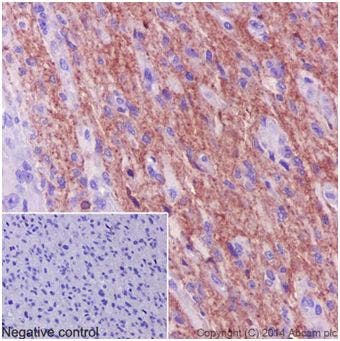
Anti-Pan Trk antibody [EPR17341](AB181560)
A recombinant rabbit monoclonal antibody recognizing all three Trk receptors, validated for immunohistochemistry, western blot and immunofluorescence on human, mouse and rat samples.
See how Danaher Life Sciences can help
FAQ's
Can one biomarker be both predictive and prognostic?
Yes, the germline BRCA1/2 mutations are markers of inherited cancer risk, while BRCA1/2 alterations and homologous recombination deficiency can predict PARP inhibitor benefit in selected breast and ovarian cancer settings. In some ovarian cancer studies, BRCA1/2 status has also been associated with prognosis after diagnosis.
Why is it important to distinguish predictive biomarkers from prognostic biomarkers in clinical practice?
Predictive biomarkers guide therapy choice, while prognostic biomarkers inform disease trajectory. Mixing them can lead to misinterpretation, affecting treatment decisions and patient outcomes.
What are the characteristics of an ideal predictive biomarker?
It should be measurable with high accuracy, reproducible across assays, clinically validated and directly linked to therapeutic response. Ideally, it also has clear biological relevance.
What are the most common biomarkers?
Examples include BRAF mutations in melanoma, ALK rearrangements in lung cancer, PD‑L1 expression in immunotherapy and BRCA1/2 mutations in hereditary cancers.
How are predictive biomarkers identified and validated?
They are discovered through molecular profiling, tested in preclinical studies and validated in clinical trials. Validation requires analytical rigor, reproducibility and demonstration of clinical utility before regulatory approval.
References
- Jørgensen JT. Predictive biomarkers and clinical evidence. Basic Clin Pharmacol Toxicol 2021;128(5):642‑648.
- Ajmal C, Yerram S, Abishek V, Nizam VM, Aglave G, Patnam JD, et al. Innovative approaches in regulatory affairs: leveraging artificial intelligence and machine learning for efficient compliance and decision‑making. AAPS J 2025;27(1):22.
- Sah AK. Prognostic biomarkers: predicting disease outcomes. The Potential of Cancer Biomarkers: Elsevier; 2025:211‑238.
- Tarighati E, Keivan H, Mahani H. A review of prognostic and predictive biomarkers in breast cancer. Clin Exp Med 2023;23(1):1‑16.
- Mahajan A, Kania V, Agarwal U, Ashtekar R, Shukla S, Patil VM, et al. Deep‑learning‑based predictive imaging biomarker model for EGFR mutation status in non‑small cell lung cancer from CT imaging. Cancers (Basel) 2024;16(6):1130.
- Valla V, Alzabin S, Koukoura A, Lewis A, Nielsen AA, Vassiliadis E. Companion diagnostics: state of the art and new regulations. Biomark Insights 2021;16:11772719211047763.
- Jørgensen JT. The current landscape of the FDA approved companion diagnostics. Transl Oncol 2021;14(6):101063.
- Kovács SA, Fekete JT, Győrffy B. Predictive biomarkers of immunotherapy response with pharmacological applications in solid tumors. Acta Pharmacol Sin 2023;44(9):1879‑1889.
- Ocana A, Pandiella A, Privat C, Bravo I, Luengo‑Oroz M, Amir E, et al. Integrating artificial intelligence in drug discovery and early drug development: a transformative approach. Biomark Res 2025;13(1):45.
- Wolf DM, Yau C, Wulfkuhle J, Brown‑Swigart L, Gallagher RI, Lee PRE, et al. Redefining breast cancer subtypes to guide treatment prioritization and maximize response: Predictive biomarkers across 10 cancer therapies. Cancer Cell 2022;40(6):609‑623.e6.
- Clark AJ, Lillard Jr JW. A comprehensive review of bioinformatics tools for genomic biomarker discovery driving precision oncology. Genes 2024;15(8):1036.
- van der Hiel B, de Wit‑van der Veen BJ, van den Eertwegh AJ, Vogel WV, Stokkel MP, Lopez‑Yurda M, et al. Metabolic parameters on baseline and early [18F] FDG PET/CT as a predictive biomarker for resistance to BRAF/MEK inhibition in advanced cutaneous BRAFV600‑mutated melanoma. EJNMMI Res 2025;15(1):60.
- Das D, Wang J, Hong J. Next‑generation kinase inhibitors targeting specific biomarkers in non‑small cell lung cancer (NSCLC): A recent overview. ChemMedChem 2021;16(16):2459‑2479.
- Poma AM, Bruno R, Pietrini I, Alì G, Pasquini G, Proietti A, et al. Biomarkers and gene signatures to predict durable response to pembrolizumab in non‑small cell lung cancer. Cancers (Basel) 2021;13(15):3828.
- Landre T, Des Guetz G. Microsatellite instability‑high status as a pan‑cancer biomarker for immunotherapy efficacy. Cancer Immunol Immunother 2025;74(4):122.
- Luo L, Keyomarsi K. PARP inhibitors as single agents and in combination therapy: the most promising treatment strategies in clinical trials for BRCA‑mutant ovarian and triple‑negative breast cancers. Expert Opin Investig Drugs 2022;31(6):607‑631.
- Haratake N, Seto T. NTRK fusion‑positive non–small‑cell lung cancer: the diagnosis and targeted therapy. Clin Lung Cancer 2021;22(1):1‑5.
- Zhao Q, Zhang C, Zhang W, Zhang S, Liu Q, Guo Y. Applications and challenges of biomarker‑based predictive models in proactive health management. Front Public Health 2025;13:1633487.
- Wang Y, Tong Z, Zhang W, Zhang W, Buzdin A, Mu X, et al. FDA‑approved and emerging next generation predictive biomarkers for immune checkpoint inhibitors in cancer patients. Front Oncol 2021;11:683419.