Multiplex Immunofluorescence

Introduction to Multiplex Immunofluorescence
Multiplex immunofluorescence (mIF) is a cutting-edge imaging technique that allows simultaneous detection of multiple biomarkers within a single tissue sample. This provides a richer, spatially resolved view of complex biological systems.1
Traditional immunofluorescence detects only one or two markers, but multiplex immunofluorescence allows high-plex spatial biology, enabling detailed mapping of cellular interactions and tissue architecture. This accelerates drug discovery in oncology, immunology and translational research, helping scientists identify disease mechanisms and therapeutic targets more quickly.1
Key Takeaways
- Multiplex immunofluorescence enables the simultaneous detection of multiple biomarkers in a single tissue section while preserving the spatial context that single-marker staining cannot capture.
- Multiplex panels can use simultaneous staining or sequential staining.
- Successful panel design depends on antibody validation, fluorophore selection and effective management of background signal and tissue autofluorescence.
- Imaging platform selection, including widefield, confocal and multispectral systems, influences achievable plex count, resolution and analytical capabilities.
- Common applications include tumor microenvironment characterization, immune profiling, biomarker validation and treatment-response research.
Why Multiplex Immunofluorescence is Important
Modern tissue-based studies increasingly require an understanding not only of which cells are present, but also of where they are and how they interact within their native microenvironment. Multiplex immunofluorescence addresses this need by enabling detailed analysis of cellular crosstalk, particularly within the tumor microenvironment, revealing patterns that drive disease progression or therapy response.2
Compared with conventional single-marker staining, mIF delivers more accurate detection of multiple biomarkers in a single sample, increasing data richness and reducing experimental variability. More importantly, it can be integrated with imaging systems and digital pathology platforms to enable high-throughput, automated biomarker analysis.2
Core Principles Behind Multiplex Immunofluorescence
Multiplex immunofluorescence relies on specific binding between antibodies and their target antigens, with each antibody conjugated to a fluorescent dye for visualization. Signals indicating binding can be enhanced using techniques such as tyramide signal amplification to improve the detection of low-abundance biomarkers in their spatial context.3
Depending on the experimental design and the number of targets, mIF involves labeling multiple markers either stepwise or simultaneously. In both cases, selecting fluorophores is crucial to minimize spectral overlap and ensure clear, distinguishable signals for each marker.4
How Multiplex Immunofluorescence Works
Multiplex immunofluorescence combines targeted antibody labeling with fluorescence imaging to map multiple biomarkers within a tissue or cell sample. After sample preparation, antibodies tagged with different fluorophores bind their targets, either sequentially or simultaneously. Specialized microscopes illuminate these dyes, each emitting a unique color, to produce multi-channel images that reveal spatial relationships and co-expression patterns. Digital analysis then quantifies biomarker distribution and cellular interactions, offering a detailed view of complex biological systems.2
Multiplex Immunofluorescence Protocol: Key Steps and Scientific Considerations
Multiplex immunofluorescence requires careful planning and execution to preserve tissue integrity, achieve specific staining and generate high-quality images. Pre-analytical considerations, including tissue fixation, sectioning and antigen retrieval, are critical to ensure reproducibility and signal reliability. Below is a step-by-step overview of the typical mIF workflow.5
Image Processing and Analysis
Digital tools and software quantify biomarker expression, spatial relationships and cellular interactions, driving high-content data extraction and visualization for research or translational applications.5
Multiplex Immunofluorescence Staining Techniques
Multiplex immunofluorescence staining involves coordinated workflows to detect multiple biomarkers in a tissue section while preserving spatial information. The process follows structured antibody incubations, washes and imaging to ensure specificity and reduce signal overlap. Since multiple markers are evaluated, the design must account for antibody compatibility, fluorophore selection and potential cross-reactivity. 7
Reducing background signal is a central consideration in multiplex staining. Researchers often optimize blocking conditions, antibody concentrations and washing steps to limit non-specific binding. Additional strategies include careful selection of fluorophores and spectral planning to ensure signals remain clearly distinguishable.8
Multiplex immunofluorescence experiments can be performed using simultaneous or sequential staining strategies. The choice between these approaches depends on the number of biomarkers being analyzed, the compatibility of antibodies and fluorophores and the experimental goals. While simultaneous staining is simpler and faster, sequential workflows allow much larger biomarker panels by overcoming spectral limitations.4
Staining Techniques Comparison
*Exact marker capacity depends on assay design, fluorophore selection and imaging platform.
In simultaneous multiplex immunofluorescence, multiple primary antibodies, each linked to a unique fluorophore either directly or via secondary antibodies, are applied to tissue in a single round. After incubation and washing, all markers are imaged together using fluorescence microscopy with multiple detection channels. This method works best when the number of markers fits the spectral separation limits. Researchers must select fluorophores with minimal emission overlap and ensure antibodies come from different host species or are designed to prevent cross-reactivity. 9
Sequential multiplex immunofluorescence increases the number of detectable biomarkers by multiple rounds of staining on the same tissue. One or a few markers are stained and imaged, then inactivated or removed before adding the next. Strategies include antibody stripping, fluorophore quenching or tyramide signal amplification, which deposits stable signals while allowing antibody removal. Each round is imaged and images are aligned to reconstruct a full multiplex dataset.4,8,10
Because all targets are stained in one cycle, simultaneous multiplexing is straightforward and preserves tissue integrity by avoiding repeated chemical treatments. However, the number of markers is limited by spectral overlap and the imaging system's capabilities. Sequential multiplexing enables analysis of larger biomarker panels, making it ideal for complex systems such as the tumor microenvironment. Challenges include maintaining tissue integrity across cycles and ensuring accurate image registration analysis.4
Building and Validating a Multiplex Panel
Developing a successful multiplex immunofluorescence panel requires a systematic approach to assay design, optimization and validation. Before combining multiple biomarkers into a single workflow, researchers should evaluate each assay component individually and then assess performance as panel complexity increases.
Key considerations include:
- Validate antibodies individually to confirm specificity, reproducibility and compatibility with the selected tissue type and staining conditions.
- Balance antibodies and fluorophores by matching signal intensity to target abundance. Low-abundance biomarkers may benefit from brighter fluorophores or signal amplification, while highly expressed markers can be paired with dimmer fluorophores.
- Minimize spectral overlap through thoughtful fluorophore selection and assay design to improve signal separation and image quality.
- Build panels incrementally by adding and evaluating one marker at a time to identify potential interference before introducing additional complexity.
- Assess epitope masking and steric hindrance, which can occur when multiplexed antibodies affect one another's binding or signal detection. Optimizing staining order and panel composition can help mitigate these effects.
- Verify reproducibility across operators, instruments, tissue samples and experimental runs to ensure consistent performance.
- Establish qualification or validation criteria for regulated, GLP, or clinical research applications, including assessments of sensitivity, specificity, precision, reproducibility and robustness.
By following a stepwise panel-building strategy, researchers can generate more reliable multiplex immunofluorescence data, improve assay performance and gain greater confidence in spatial biology, biomarker discovery and translational research studies.
Advanced Multiplex Immunofluorescence Imaging for Spatial Biology
Advanced imaging technologies play a central role in multiplex immunofluorescence and the choice of imaging modality influences signal resolution, sensitivity and the ability to distinguish overlapping fluorophores in complex samples.
Several imaging platforms are commonly used in multiplex assays:
- Widefield fluorescence microscopy offers fast image acquisition and is suitable for lower-plex panels or large tissue areas11
- Confocal microscopy improves optical sectioning and reduces out-of-focus light, providing higher spatial resolution for thicker specimens12
- Multispectral imaging systems capture detailed spectral information across multiple wavelengths, which helps distinguish fluorophores with overlapping emission profiles and supports higher-plex experiments13
Imaging Modality Comparison
| High-plex biomarker and spatial biology studies |
Featured Product
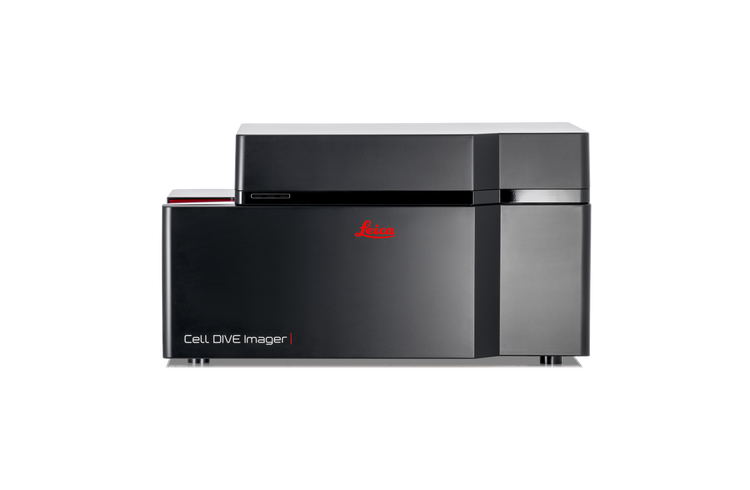
Cell DIVE Multiplex Imaging Solution
Chosen because it is an iterative multiplex imaging platform capable of profiling 60+ biomarkers on a single tissue section, tying directly to this page's subject of multiplex immunofluorescence.
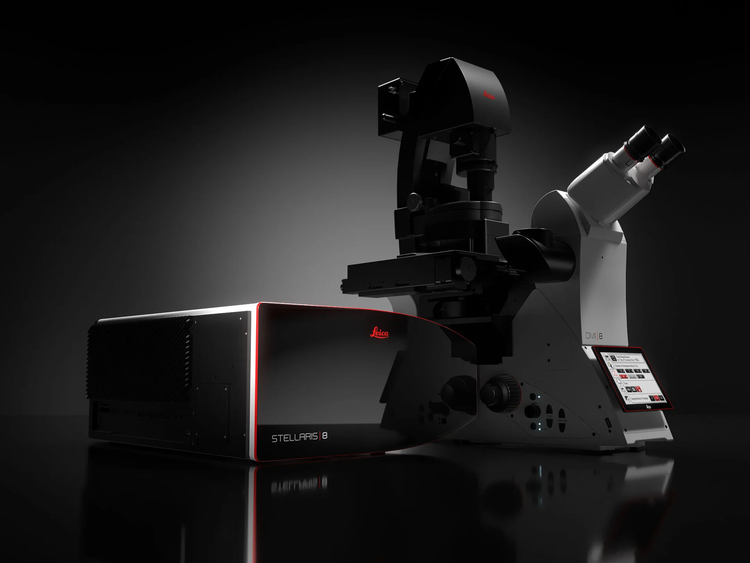
STELLARIS 8 Confocal Microscope Platforms
Chosen as a complementary second option because it is a confocal microscope platform supporting high-resolution multi-channel imaging, including multiplex panels, also directly relevant to multiplex immunofluorescence.
Choosing proper imaging parameters is crucial for accurate detection and quantification. Researchers must optimize exposure times, filter sets, detector sensitivity and objectives to enhance signal-to-noise ratio while avoiding photobleaching or saturation. Spectral unmixing algorithms should separate signals from fluorophores with overlapping spectra, assigning them to the correct channels and thereby improving multiplex imaging accuracy. Additionally, image acquisition across multiple views, focal planes or cycles, with computational alignment and reconstruction, generates a more complete spatial understanding dataset.14,15
To convert vast image datasets into actionable insights, advanced multiplex immunofluorescence protocols should be integrated with specialized analysis software. These tools support automated cell segmentation, biomarker quantification and spatial analysis, allowing researchers to interpret complex multiplex datasets and extract biologically meaningful insights from spatially resolved experiments.16
Choosing a Multiplex Immunofluorescence Imaging Platform
Selecting the right imaging platform is an important part of multiplex immunofluorescence assay design because it influences achievable plex count, spatial resolution, throughput and data analysis requirements. The optimal platform depends on the biological question being studied, the number of biomarkers in the panel and the level of spatial detail required.
When evaluating imaging platforms, researchers should consider:
- Target plex level. Lower-plex panels can often be performed using widefield fluorescence microscopy, while higher-plex assays may benefit from confocal or multispectral imaging approaches that improve signal separation.
- Spectral separation requirements. As the number of fluorophores increases, distinguishing overlapping emission spectra becomes more challenging. Multispectral imaging combined with spectral unmixing can improve the resolution of closely spaced fluorescent signals.
- Spatial resolution needs. Studies requiring precise cellular localization or analysis of complex tissue architecture may benefit from confocal imaging, which reduces out-of-focus light and improves image quality in thicker specimens.
- Throughput and sample volume. Widefield imaging enables rapid acquisition over large tissue areas, making it suitable for higher-throughput workflows and large-scale studies.
- Digital pathology and image analysis integration. Imaging systems should be compatible with downstream software tools for cell segmentation, biomarker quantification and spatial analysis to enable efficient interpretation of multiplex datasets.
- Data complexity and workflow requirements. Higher-plex imaging approaches often generate larger datasets and require more extensive computational analysis, storage and quality control procedures.
There is no single best imaging platform for every multiplex immunofluorescence experiment. Widefield systems are often preferred for speed and throughput, confocal systems for high-resolution imaging and multispectral platforms for resolving complex, high-plex biomarker panels. Matching imaging capabilities to experimental goals helps researchers generate reliable, biologically meaningful data while maximizing the value of multiplex immunofluorescence in spatial biology, biomarker discovery and translational research.
Data Analysis and Interpretation
Multiplex immunofluorescence produces high-dimensional imaging data needing robust analysis to extract biological insights. Post-image acquisition, computational workflows identify cells, quantify biomarkers and assess spatial relationships within tissue. These analyses convert raw signals into interpretable data reflecting cellular phenotypes and functional states.16
A central component of multiplex data analysis involves characterizing cell populations. Automated segmentation algorithms identify individual cells based on nuclear or membrane markers, after which biomarker intensity values are measured for each cell. This process allows researchers to classify cell phenotypes and evaluate patterns of marker co-expression across heterogeneous cell populations.17,18
Beyond cell measurements, multiplex imaging enables spatial analysis of tissue. Metrics such as cell-to-cell distance, neighborhood composition and niche structure reveal cell interactions. These spatial relationships are key in tumor immunology, where immune cell positioning influences disease progression and therapeutic response.16
To ensure reliability, quality-control checkpoints are integrated throughout the image-processing workflow. These steps may include verifying image registration across staining cycles, assessing segmentation accuracy, monitoring signal intensity distributions and identifying potential artifacts or background noise.6
Researchers use these analyses to explore disease mechanisms, identify potential biomarkers and evaluate how cellular interactions change in response to experimental treatments. In translational research and drug development, multiplex imaging data can support biomarker discovery, patient stratification and profiling of therapeutic responses within complex tissue environments. 19
Applications of Multiplex Immunofluorescence in Research and Drug Discovery
Multiplex immunofluorescence has become a valuable tool across biomedical research and drug discovery because it provides a comprehensive understanding of cellular composition, functional states and interactions within complex biological systems.
Tumor microenvironment characterization
Multiplex imaging enables researchers to identify the spatial distribution of tumor cells, immune populations, stromal components and signaling markers within a single tissue section. Mapping these interactions can reveal how tumors evade immune surveillance or respond to therapy.20
Immune profiling and checkpoint biology
By measuring multiple immune markers and regulatory proteins in parallel, researchers can examine immune cell activation states and evaluate pathways associated with immune checkpoint regulation. Thus, they can unpack the role of immune response in promoting or inhibiting disease progression.21
Tissue-based biomarker validation
In translational research, multiplex immunofluorescence imaging enhances tissue-based biomarker validation by confirming the presence, localization and coexpression of candidate biomarkers in patient-derived samples. These spatial insights enhance biomarker reliability compared with assays lacking tissue context.22
Predictive and prognostic research models
Multiplex approaches also contribute to predictive and prognostic research models by revealing spatial biomarker patterns that may correlate with disease progression, therapeutic sensitivity or clinical outcomes. Because multiplex immunofluorescence imaging captures both biomarker expression and the spatial arrangement of cells within tissues, researchers can identify patterns that are not detectable with bulk assays.23
Preclinical and translational research opportunities
Multiplex immunofluorescence supports detailed evaluation of drug mechanisms and tissue-level responses to experimental treatments. By simultaneously measuring multiple markers associated with cell morphology, signaling pathways and immune activity, researchers can track how therapeutic interventions alter cellular composition and interactions within tissues. This is particularly valuable for studying immunotherapies, targeted therapies and combination treatments, where drug effects often involve complex changes in the tumor microenvironment. 24
Common Challenges and How to Overcome Them
Despite its value in drug discovery and translational research, multiplex immunofluorescence presents several technical challenges that require careful experimental design and optimization. Addressing these issues early in the workflow helps maintain data quality and ensures reliable interpretation of complex spatial datasets.
Challenges and Mitigations
See how Danaher Life Sciences can help
FAQ's
What are the advantages of multiplex immunofluorescence?
Key advantages include simultaneous biomarker detection, preservation of spatial context, improved cellular phenotyping and deeper insight into complex tissue biology.
How many biomarkers can multiplex immunofluorescence detect at once?
Conventional multiplex immunofluorescence panels typically measure 6 to 8 biomarkers per tissue sample, whereas high-plex methods with iterative staining can detect 20+ biomarkers. Higher-plex panels need more complex workflows for assay design, staining, imaging and data analysis.
What is the difference between simultaneous and sequential multiplex immunofluorescence staining?
Simultaneous staining uses all antibodies in a single step, making it faster and simpler, but limited by fluorophore spectral overlap. Sequential staining applies biomarkers across multiple cycles with signal removal between rounds, allowing higher plex counts but taking longer.
What causes epitope masking in multiplex immunofluorescence and how is it fixed?
Epitope masking occurs when a biomarker's antibody-binding site is blocked or altered during tissue processing or multiplex staining due to steric hindrance, fixation, antigen retrieval or signal-amplification interactions. Researchers address this by optimizing panels, reordering staining, adjusting antibody levels or changing retrieval conditions.
Does multiplex immunofluorescence need to be validated for regulated or clinical research?
Yes. Multiplex immunofluorescence assays for regulated, GLP or clinical research must be qualified or validated. Performance characteristics include sensitivity, specificity, precision, reproducibility and robustness, based on the assay's intended use.
References
- Sheng W, Zhang C, Mohiuddin T, Al-Rawe M, Zeppernick F, Falcone FH, et al. Multiplex immunofluorescence: a powerful tool in cancer immunotherapy. Int J Mol Sci 2023;24(4):3086.
- Cho W, Kim S, Park Y-G. Towards multiplexed immunofluorescence of 3D tissues. Mol Brain 2023;16(1):37.
- Hernandez S, Rojas F, Laberiano C, Lazcano R, Wistuba I, Parra ER. Multiplex immunofluorescence tyramide signal amplification for immune cell profiling of paraffin-embedded tumor tissues. Front Mol Biosci 2021;8:667067.
- Harms PW, Frankel TL, Moutafi M, Rao A, Rimm DL, Taube JM, et al. Multiplex immunohistochemistry and immunofluorescence: a practical update for pathologists. Mod Pathol 2023;36(7):100197.
- Windhager J, Zanotelli VRT, Schulz D, Meyer L, Daniel M, Bodenmiller B, et al. An end-to-end workflow for multiplexed image processing and analysis. Nat Protoc 2023;18(11):3565-3613.
- Jiang J, Moore R, Jordan CE, Guo R, Maus RL, Liu H, et al. Multiplex immunofluorescence image quality checking using dapi channel–referenced evaluation. J Histochem Cytochem 2023;71(3):121-130.
- Viratham Pulsawatdi A, Craig SG, Bingham V, McCombe K, Humphries MP, Senevirathne S, et al. A robust multiplex immunofluorescence and digital pathology workflow for the characterisation of the tumour immune microenvironment. Mol Oncol 2020;14(10):2384-2402.
- Cohen R, Lee-Pullen T, Miller TJ, Meehan K, Fuller K, McCoy MJ. Optimising multiplex immunofluorescence staining for characterising the tumour immune micro-environment. Methods 2023;219:48-57.
- Rojas F, Hernandez S, Lazcano R, Laberiano-Fernandez C, Parra ER. Multiplex immunofluorescence and the digital image analysis workflow for evaluation of the tumor immune environment in translational research. Front Oncol 2022;12:889886.
- Ko J, Wilkovitsch M, Oh J, Kohler RH, Bolli E, Pittet MJ, et al. Spatiotemporal multiplexed immunofluorescence imaging of living cells and tissues with bioorthogonal cycling of fluorescent probes. Nat Biotechnol 2022;40(11):1654-1662.
- Elsborg SH, Pedersen GA, Madsen MG, Keller AK, Nørregaard R, Nejsum LN. Multiplex immunofluorescence staining of coverslip‐mounted paraffin‐embedded tissue sections. APMIS 2023;131(8):394-402.
- Denha S, Olyntho VM, Colautti J, Traboulsi D, Stevens D, Waserman S, et al. High-plex Imaging using Spectral Confocal Microscopy to Minimize Non-specific Tissue Fluorescence. JoVE 2025(224):e68644.
- Locke D, Hoyt CC. Companion diagnostic requirements for spatial biology using multiplex immunofluorescence and multispectral imaging. Front Mol Biosci 2023;10:1051491.
- Taube JM, Sunshine JC, Angelo M, Akturk G, Eminizer M, Engle LL, et al. Society for Immunotherapy of Cancer: updates and best practices for multiplex immunohistochemistry (IHC) and immunofluorescence (IF) image analysis and data sharing. J Immunother Cancer 2025;13(1):e008875.
- Morrison LE, Larrinaga TM, Kelly BD, Lefever MR, Beck RC, Bauer DR. Concurrent Viewing of H&E and Multiplex Immunohistochemistry in Clinical Specimens. Diagnostics 2025;15(2):164.
- Wrobel J, Harris C, Vandekar S. Statistical analysis of multiplex immunofluorescence and immunohistochemistry imaging data. Statistical Genomics 2023:141-168.
- Vahadane A, Sharma S, Mandal D, Dabbeeru M, Jakthong J, Garcia-Guzman M, et al. Development of an automated combined positive score prediction pipeline using artificial intelligence on multiplexed immunofluorescence images. Comput Biol Med 2023;152:106337.
- Vance K, Alitinok A, Winfree S, Jensen-Smith H, Swanson BJ, Grandgenett PM, et al. Machine learning analyses of highly-multiplexed immunofluorescence identifies distinct tumor and stromal cell populations in primary pancreatic tumors. Cancer Biomark 2022;33(2):219-235.
- Zhao C, Germain RN. Multiplex imaging in immuno-oncology. J Immunother Cancer 2023;11(10):e006923.
- Kumar G, Pandurengan RK, Parra ER, Kannan K, Haymaker C. Spatial modelling of the tumor microenvironment from multiplex immunofluorescence images: methods and applications. Front Immunol 2023;14:1288802.
- Yaseen Z, Gide TN, Conway JW, Potter AJ, Quek C, Hong AM, et al. Validation of an accurate automated multiplex immunofluorescence method for immuno-profiling melanoma. Front Mol Biosci 2022;9:810858.
- Lin J-R, Chen Y-A, Campton D, Cooper J, Coy S, Yapp C, et al. High-plex immunofluorescence imaging and traditional histology of the same tissue section for discovering image-based biomarkers. Nat Cancer 2023;4(7):1036-1052.
- Li A, Torcasso M, Woodard A, Hieromnimon H, Trujillo J, Nguyen L, et al. Virtual multiplex immunofluorescence identifies lymphocyte subsets predictive of response to neoadjuvant therapy. Ther Adv Med Oncol 2025;17:17588359251379411.
- Bollhagen A, Bodenmiller B. Highly multiplexed tissue imaging in precision oncology and translational cancer research. Cancer Discov 2024;14(11):2071-2088.
- Sachdeva A, Hart CA, Carey CD, Vincent AE, Greaves LC, Heer R, et al. Automated quantitative high-throughput multiplex immunofluorescence pipeline to evaluate OXPHOS defects in formalin-fixed human prostate tissue. Sci Rep 2022;12(1):6660.