LDH Cytotoxicity Assay: Complete Guide to Principles, Protocols & Applications

Key Takeaways
- The LDH cytotoxicity assay measures the release of lactate dehydrogenase (LDH), a stable enzyme found in the cytosol, into the outside environment, making it a dependable marker of cell membrane damage and loss of cell viability.
- It’s one of the most widely used surrogate markers for membrane integrity in cell biology, toxicology and drug discovery workflows due to its simplicity, scalability and compatibility with high-throughput screening.
- Researchers use LDH assays across a wide range of applications, including cytotoxicity testing, immune cell-mediated killing (e.g., NK or T cell activity), drug screening and evaluation of apoptosis vs. necrosis.
- The assay is adaptable to multiple experimental formats, from basic endpoint measurements to kinetic studies in multi-well plate systems.
- Three main detection methods are commonly used:
1 - Colorimetric assays (absorbance-based, widely accessible),
2 - Fluorometric assays (higher sensitivity, lower background),
3 - Bioluminescent assays (highest sensitivity and dynamic range, ideal for low cell numbers)
- Because LDH is released rapidly upon membrane disruption, the assay provides a quick, non-invasive way to quantify cytotoxic effects without requiring cell lysis steps.
What is LDH and why measure it?
Lactate dehydrogenase (LDH) is a cytoplasmic oxidoreductase that plays a central role in cellular metabolism by catalyzing the interconversion of lactate and pyruvate during glycolysis and anaerobic respiration. Because it is normally confined within the cell, its presence in the extracellular environment clearly indicates that the plasma membrane has been compromised. This is exactly why LDH has become such a powerful readout in drug development, immunotherapy research and basic cell biology, for quantifying cell death quickly and reliably is essential. LDH release provides a straightforward way to assess cytotoxicity without invasive or complex staining procedures.1
Another advantage of LDH-based assays is the enzyme's relative stability in cell culture medium, which supports both endpoint and time-course experiments without requiring immediate processing.1
The assay can be implemented using several detection formats, each suited to different experimental needs:2
- Colorimetric assays rely on absorbance-based detection, making them accessible and cost-effective
- Fluorometric assays provide greater sensitivity and lower background, which is helpful when working with smaller cell populations
- Bioluminescent assays offer the highest sensitivity and broad dynamic range, making them ideal for detecting subtle cytotoxic effects or working with very low cell numbers
LDH exists as five major isozymes (LDH-1 through LDH-5), each composed of distinct subunit combinations and exhibiting tissue-specific expression patterns. Isozyme distributions are clinically significant, as shifts in LDH profiles can help diagnose tissue damage or disease states, such as myocardial infarction or liver injury.3
Principles of the LDH cytotoxicity assay
LDH release mechanism and cell death
Although LDH is normally retained within the cytoplasm of intact cells, it rapidly diffuses into the extracellular space when the plasma membrane is compromised. This release occurs in both major forms of cell death:4
- Necrosis, where membrane integrity is lost early and abruptly
- Apoptosis, where LDH release typically occurs later, especially if apoptotic cells progress to secondary necrosis
Accordingly, LDH assays measure overall cytotoxicity rather than distinguishing between specific death pathways. Interpreting results alongside complementary assays (e.g., caspase activity or Annexin V staining) can help clarify the mechanism of cell death.5
While the LDH signal correlates with the degree of cytotoxicity, untreated cells can also release small amounts of LDH due to natural turnover or mild stress. Referred to as spontaneous (background) LDH release, this background must be controlled for. Proper experimental design includes:
- Low-control wells (spontaneous release)
- High-control wells (maximum LDH release via lysis buffer)
These controls are critical for accurate normalization and calculation of true cytotoxicity.6
Biochemical reaction mechanism
At the core of the LDH cytotoxicity assay is a well-characterized enzymatic reaction. LDH catalyzes the conversion of lactate to pyruvate, coupled with the reduction of NAD⁺ to NADH:7
Lactate + NAD+ → Pyruvate + NADH + H+
The generated NADH participates in a reaction catalyzed by diaphorase, in which it reduces a tetrazolium salt (commonly INT) to a colored formazan product. The accumulation of this product can be quantified spectrophotometrically.4
Because this cascade depends directly on LDH catalytic activity, the resulting signal intensity is proportional to the amount of LDH in the cell culture supernatant. This mechanism makes it a reliable proxy for the extent of membrane damage and cytotoxicity.4
Detection formats - colorimetric, fluorometric and bioluminescent
LDH activity can be measured using three main detection strategies, each offering different trade-offs in sensitivity, throughput and sample requirements.
Colorimetric assays are the standard format, detecting the accumulation of formazan product via absorbance (typically around 490 nm). They are robust, cost-effective and highly compatible with 96-well plate workflows.8
Fluorometric assays use resazurin-based substrates, which are converted into fluorescent products, with the intensity measured at 560-590 nm. These assays offer improved sensitivity and lower background, making them well-suited for experiments with limited cell numbers.9
Bioluminescent assays, such as LDH-Glo, couple LDH activity to a luciferase reaction, producing light as the final readout. These assays provide the highest sensitivity and widest dynamic range, requiring only minimal sample volumes (as low as 2–5 µL). They are particularly useful for demanding applications like 3D cultures, primary cells and stem cell models.10
Featured Product
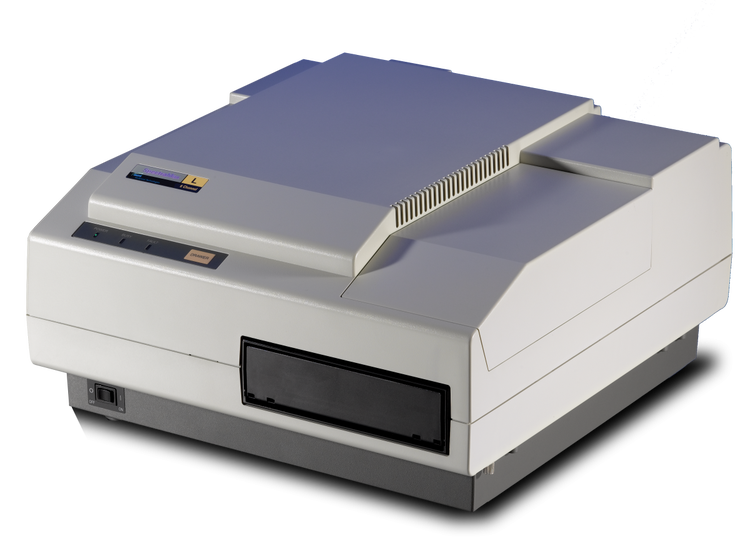
SpectraMax® L Microplate Reader
Chosen because it is a dedicated luminescence plate reader used to read cytotoxicity/reporter assays such as LDH release, tying directly to this page's subject of ldh cytotoxicity assay.
MTT Assay Kit (Cell Proliferation)(AB211091)
Chosen as a complementary second option because it is a colorimetric MTT assay kit that measures metabolic activity as a proxy for cell proliferation/viability, also directly relevant to ldh cytotoxicity assay.

See how Danaher Life Sciences can help
LDH cytotoxicity assay protocol
Materials and preparation
A typical LDH cytotoxicity assay requires a combination of standard cell culture supplies and assay-specific reagents. Most workflows rely on commercial LDH assay kits, which include substrate mixes, cofactors and detection reagents optimized for consistency and sensitivity.11
The minimum requirements are:
- LDH assay reagents or kit (colorimetric, fluorometric or bioluminescent)
- Cell culture plates (96- or 384-well formats for most applications)
- Plate reader compatible with absorbance, fluorescence or luminescence assays
- Pipettes and multichannel pipettors for reproducibility
Plate selection is one of the most critical considerations. For adherent cells, flat-bottom plates support even cell attachment and consistent signal detection. For suspension cells, V-bottom or round-bottom plates help concentrate cells and improve assay performance. In all cases, optically clear plates are preferred for absorbance-based readouts, while white or black plates are preferred for luminescent or fluorescent formats, respectively.12
Serum and media composition can significantly influence the background signal. For instance, animal serum naturally contains LDH, which can inflate baseline readings. Practices to minimize this effect include reducing the serum concentration to 1–5% or switching to serum-free media during the assay window, when feasible.13
For the maximum release control, a lysis agent such as Triton X-100 is used. A final concentration of 1–2% Triton X-100 is typically sufficient to fully disrupt cell membranes and release all intracellular LDH, establishing the upper limit of the assay signal.14
Required controls setup
Proper controls are what make LDH data interpretable rather than misleading. Each serves a specific role in isolating true cytotoxic effects:15,16
- Background control: Culture medium only (no cells). It accounts for any intrinsic signal from reagents or media and should be subtracted from all measurements
- Spontaneous release control using untreated cells: It represents baseline LDH leakage from undamaged cells
- Maximum release control: Cells treated with Triton X-100. This defines total releasable LDH and serves as the normalization ceiling
- Vehicle control: Cells treated with the solvent used for test compounds, ensuring observed effects are not due to the vehicle itself
- No-cell control and effector-cell control: Particularly important in immune cell–mediated cytotoxicity assays (e.g., NK or T cell killing), where each population may contribute background LDH
- Compound interference control: Confirms that the test compound does not directly inhibit LDH activity or interfere with the detection chemistry, which could skew results
Data analysis and % cytotoxicity calculation
Cytotoxicity is calculated by normalizing experimental LDH release to the spontaneous and maximum controls. The standard formula is:14
%Cytotoxicity = (Experimental - Spontaneous) / (Maximum - Spontaneous) x 100
This normalization corrects for baseline LDH leakage and scales results relative to the total LDH content of the cells. Practices to reinforce reliability include:17
- Performing technical replicates, at least triplicates, for each condition
- Subtracting the background signal before applying the formula
- Verifying that spontaneous and maximum controls fall within expected ranges
One significant caveat in evaluation for long-term treatments is distinguishing between cytotoxicity and cell growth inhibition. In longer treatments, a reduction in LDH signal may reflect fewer cells rather than reduced toxicity. In such cases, incorporating condition-specific controls or parallel viability assays helps disentangle these effects.18
For drug screening and dose-response studies, LDH data can be fitted using a four-parameter logistic (4PL) model to estimate EC₅₀ values. This approach captures the full dynamic range of the response and provides a more accurate measure of compound potency.19
Assay optimization, troubleshooting & controls
Common interference sources and fixes
Even though LDH assays are relatively straightforward, a few common pitfalls can quietly distort results:1
- A high background signal can be caused by serum-derived LDH or unintended cell damage. Reducing serum concentration to 1-5% or using serum-free conditions during the assay window can significantly improve signal clarity.
- Hemolysis in samples containing red blood cells induces excessive LDH release, leading to false positives.
- Low signal, which can be caused by insufficient LDH release or detection inefficiency, can be addressed by optimizing cell seeding density and increasing incubation time. Additionally, air bubbles in wells can interfere with plate reader detection, especially in absorbance-based assays, requiring a visual check before reading the plate.
- Compound interference: Some test compounds can directly inhibit LDH enzymatic activity, leading to an underestimation of the signal. Using compound interference control can help distinguish true biological effects from assay artifacts.
- Spontaneous LDH release variability can introduce noise into data, often due to poor cell handling. Using fresh, healthy cells, avoiding repeated freeze–thaw cycles and keeping samples appropriately cooled can stabilize baseline release and improve reproducibility.
High-throughput and multiplexing adaptations
LDH assays are highly amenable to scale-up, which underpins their widespread use in high-throughput screening (HTS) environments. Moving from 96-well to 384-well plates is a common step for high-throughput screening (HTS), reducing reagent costs and increasing experimental throughput without fundamentally changing the assay chemistry.20
A key advantage of LDH-based assays is their non-destructive sampling approach. Because LDH is measured in the culture supernatant, small volumes can be collected at multiple time points from the same well. This supports longitudinal or repeated-sampling experimental designs, allowing kinetic profiling of cytotoxic responses rather than reliance on a single endpoint measurement.11
LDH assays are also well-suited for multiplexing with orthogonal readouts. Common combinations include caspase-3/7 activity assays for apoptosis and viability assays based on resazurin reduction or intracellular ATP quantification. These multiplexed approaches provide complementary information on cell health, enabling discrimination between cytotoxicity, apoptosis and metabolic inhibition within a single well.21
Additional optimization is typically required for 3D cell culture systems, which exhibit altered growth kinetics, diffusion constraints and baseline LDH release profiles compared to 2D cultures. As a result, assay conditions should be adjusted by extending incubation times, recalibrating release controls and accounting for elevated background signals. With appropriate optimization, LDH assays remain robust and informative in complex, physiologically relevant models, including 3D cultures and primary cell systems.22
LDH vs other cytotoxicity assays
LDH cytotoxicity has significant advantages over many cell death and viability assays due to its non-destructive, supernatant-based format. Unlike many alternatives, it does not require pre-labeling, cell lysis before measurement or intracellular dyes. This makes it particularly well-suited for workflows that require parallel or sequential measurements from the same sample, including multiplexed assays and time-course studies.1
In immune cell cytotoxicity studies, LDH assays are often compared to the classical chromium release assay. The 51Cr release assay has long been considered a gold standard for measuring target cell lysis. However, LDH assays offer several practical advantages, including the absence of radioactive materials, elimination of target cell pre-labeling and simplified handling and waste disposal. These features make LDH a safer and more accessible alternative for routine use. 23
Although LDH excels in quantifying loss of membrane integrity, a late-stage hallmark of cell death, it does not detect early cytotoxic or metabolic changes. In such cases, MTT or MTS assays, which measure mitochondrial metabolic activity, can provide earlier indicators of reduced cell viability, even before membrane disruption occurs.24
It is important to note that Sensitivity and HTS suitability are relative and may vary depending on assay format, cell type and experimental conditions.
See how Danaher Life Sciences can help
Applications of LDH cytotoxicity assays
Drug discovery and toxicology screening
- Compound cytotoxicity screening: LDH cytotoxicity assays are widely used in early-stage drug discovery and safety assessment, where rapid, scalable evaluation of compound-induced cell damage is required. The assay is readily implemented in 96- and 384-well formats, making it compatible with automated liquid handling and high-throughput screening workflows.17
- Cancer cell viability studies: LDH release is frequently used to assess cancer cell viability and cytotoxic response, particularly for determining IC₅₀ values across compound dose ranges.4
- Immunology: LDH assays are commonly applied to quantify immune cell–mediated cytotoxicity, including T cell and macrophage activity against target cells.25
ADCC, CDC and NK cell cytotoxicity
LDH assays have become a standard non-radioactive alternative for measuring cytotoxicity in immune effector systems.
- Antibody-dependent cell-mediated cytotoxicity (ADCC): LDH release from target cells is quantified following co-culture with effector cells in the presence of a therapeutic antibody, while optimizing effector-to-target (E: T) cell ratios to achieve a measurable dynamic range26
- Natural killer (NK) cell cytotoxicity measurement: Provides a direct measure of target cell lysis after co-incubation with NK effectors27
- CDC (complement-dependent cytotoxicity): Quantifies cell lysis mediated by antibody–complement interactions during biologics screening28
- Bispecific antibody and ADC (antibody-drug conjugate) efficacy studies: LDH release serves as a functional readout of target cell killing, supporting potency assessment and mechanism-of-action studies29
3D models, organoids and ex vivo cultures
The compatibility of LDH assays with complex, physiologically relevant models has expanded their use beyond traditional 2D cell culture. LDH release can be measured from 3D spheroids, organoids, patient-derived explants (PDEs) and xenospheres, reflecting cumulative cell damage within these structures.22
A major advantage in these systems is the ability to perform longitudinal monitoring. Because sampling is non-destructive, repeated measurements can be taken from the same culture over time, preserving structural integrity while capturing dynamic cytotoxic responses.22
In 3D models, LDH readouts are often interpreted alongside orthogonal measurements, such as changes in spheroid volume or ATP-based viability assays. This combined approach accounts for factors such as diffusion limitations and heterogeneous cell death within the model, thereby improving overall data interpretation.22
Advanced therapeutic modalities
LDH assays are increasingly used to evaluate next-generation therapeutic platforms.
- Gene therapy and cell therapy (CAR-T, NK cell therapy): LDH release is used as a functional endpoint to quantify target cell killing and assess therapeutic efficacy.30
- CRISPR editing, RNA therapeutics (mRNA, siRNA): LDH assays provide a convenient method to evaluate off-target cytotoxicity and overall cell health following treatment.31
- Microfluidic/organ-on-a-chip cytotoxicity monitoring: LDH assays support real-time monitoring of cytotoxic responses under physiologically relevant flow and microenvironmental conditions.32
FAQ's
What is an LDH cytotoxicity assay?
An LDH cytotoxicity assay measures the release of lactate dehydrogenase (LDH) from damaged cells into the culture medium. It is widely used to quantify cell death based on loss of membrane integrity. The assay is simple, scalable and compatible with high-throughput formats.
How does LDH release indicate cell damage?
LDH is a stable cytosolic enzyme that is normally retained within intact cells. When the plasma membrane is compromised, LDH is released into the extracellular environment. The amount of LDH detected in the supernatant correlates with the extent of cell damage.
Why measure LDH in cell culture supernatant?
Measuring LDH in the supernatant allows detection of cell damage without disrupting the remaining cells. This non-destructive approach supports repeat sampling and multiplexing with other assays. It also simplifies workflows by avoiding cell lysis steps before measurement.
What is the reason for the high background in LDH cytotoxicity assays?
High background is commonly caused by serum-derived LDH or spontaneous release from stressed or unhealthy cells. Hemolysis or contamination with red blood cells can also artificially elevate LDH levels. Reducing serum concentration and optimizing cell handling can help minimize background signal.
How to fix low signal or poor sensitivity in the LDH assay?
Low signal may result from low cell numbers, short incubation times or suboptimal assay conditions. Increasing cell density, extending incubation or using a more sensitive detection format (e.g., fluorometric or luminescent) can improve signal. Proper plate handling and avoiding bubbles also help maintain accurate readings.
Is the LDH assay suitable for high-throughput screening?
Yes, LDH assays are well-suited for high-throughput screening due to their simple workflow and compatibility with 96- and 384-well formats. The supernatant-based readout supports automation and multiplexing. With proper optimization, the assay can deliver robust and reproducible results at scale.
References
- Zhou Y, Qi M, Yang M. Current status and future perspectives of lactate dehydrogenase detection and medical implications: a review. Biosensors 2022;12(12):1145.
- Forgie BN, Prakash R, Goyeneche AA, Telleria CM. Vitality, viability, long-term clonogenic survival, cytotoxicity, cytostasis and lethality: what do they mean when testing new investigational oncology drugs? Discov Oncol 2024;15(1):5.
- van Wilpe S, Tolmeijer SH, de Vries IJM, Koornstra RH, Mehra N. LDH isotyping for checkpoint inhibitor response prediction in patients with metastatic melanoma. Immuno 2021;1(2):67-77.
- Khalef L, Lydia R, Filicia K, Moussa B. Cell viability and cytotoxicity assays: Biochemical elements and cellular compartments. Cell Biochem Funct 2024;42(3):e4007.
- Shekhawat KS, Bhatia P, Bhatnagar K, Shandilay S, Chaudhary S. Roadmap to cytotoxicity: exploring assays and mechanisms. Assay Drug Dev Technol 2025;23(5):217-236.
- Cox MC, Mendes R, Silva F, Mendes TF, Zelaya-Lazo A, Halwachs K, et al. Application of LDH assay for therapeutic efficacy evaluation of ex vivo tumor models. Sci Rep 2021;11(1):18571.
- Yang Y, Sauve AA. Assays for determination of cellular and mitochondrial NAD+ and NADH content. Mitochondrial Regulation: Methods and Protocols: Springer; 2021:271-285.
- Solis FV, Schmiedeknecht K, Kaufmann A, Bauer S. Colorimetric determination of L-lactate in supernatant of cells using LDH activity. 2023.
- Gavanji S, Bakhtari A, Famurewa AC, Othman EM. Cytotoxic activity of herbal medicines as assessed in vitro: a review. Chem Biodivers 2023;20(2):e202201098.
- Siqueira P, Rodrigues M, Amorim ĺSd, Rodrigues J, Oliveira M, Fonseca A, et al. The inhibitor of the redox activity of APE1/REF-1, APX2009, reduces the malignant phenotype of breast cancer cells. Braz J Med Biol Res 2024;57:e13250.
- Cummings BS, Schnellmann RG. Measurement of cell death in mammalian cells. Curr Protoc 2021;1(8):e210.
- Jubelin C, Muñoz-Garcia J, Cochonneau D, Ollivier E, Vallette F, Heymann M-F, et al. Technical report: liquid overlay technique allows the generation of homogeneous osteosarcoma, glioblastoma, lung and prostate adenocarcinoma spheroids that can be used for drug cytotoxicity measurements. Front Bioeng Biotechnol 2023;11:1260049.
- Loufouma Mbouaka A, Lesiak-Markowicz I, Heredero-Bermejo I, Mazumdar R, Walochnik J, Martín-Pérez T. Assessing Acanthamoeba cytotoxicity: comparison of common cell viability assays. Front Microbiol 2023;14:1175469.
- Mani S, Swargiary G. In vitro cytotoxicity analysis: MTT/XTT, trypan blue exclusion. Animal cell culture: principles and practice: Springer; 2023:267-284.
- Coyle JP, Johnson C, Jensen J, Farcas M, Derk R, Stueckle TA, et al. Variation in pentose phosphate pathway-associated metabolism dictates cytotoxicity outcomes determined by tetrazolium reduction assays. Sci Rep 2023;13(1):8220.
- Reynolds TS, Mishra SJ, Blagg BS. Assessment of Hsp90β-selective inhibitor safety and on-target effects. Sci Rep 2025;15(1):3692.
- Papaneophytou C, Zervou M-E, Theofanous A. Optimization of a colorimetric assay to determine lactate dehydrogenase B activity using design of experiments. SLAS Discov 2021;26(3):383-399.
- Sukumaran A, Sweety VK, Vikas B, Joseph B. Cytotoxicity and cell viability assessment of biomaterials. Cytotoxicity-understanding cellular damage and response: IntechOpen; 2023.
- Kakavas D, Panagiotidis K, Rochfort KD, Grintzalis K. Miniaturizing nanotoxicity assays in daphnids. Animals 2024;14(14):2046.
- Stueckle TA, Jensen J, Coyle JP, Derk R, Wagner A, Dinu CZ, et al. In vitro inflammation and toxicity assessment of pre-and post-incinerated organomodified nanoclays to macrophages using high-throughput screening approaches. Part Fibre Toxicol 2024;21(1):16.
- Li Q, Zhang P, Cai Y. Genkwanin suppresses MPP+-induced cytotoxicity by inhibiting TLR4/MyD88/NLRP3 inflammasome pathway in a cellular model of Parkinson’s disease. Neurotoxicology 2021;87:62-69.
- Castiglione H, Madrange L, Lemonnier T, Deslys J-P, Yates F, Vigneron P-A. Development and optimization of a lactate dehydrogenase assay adapted to 3D cell cultures. Organoids 2024;3(2):113-125.
- Özdemir Ö. Cell-mediated cytotoxicity assays. Asthma Allergy Immunol 2022;17(2):061-069.
- Sadhan S, Kaushik V, Patel A, Ram S. In Vitro Toxicity Assessment Techniques for Biomaterials. Smart Ways of Biomaterial Designing Synthesis and Characterization: CRC Press; 2025:277-297.
- Chen X, Liu L, Kang S, Gnanaprakasam JR, Wang R. The lactate dehydrogenase (LDH) isoenzyme spectrum enables optimally controlling T cell glycolysis and differentiation. Sci Adv 2023;9(12):eadd9554.
- Uccellini MB, Aslam S, Liu ST, Alam F, García-Sastre A. Development of a macrophage-based ADCC assay. Vaccines 2021;9(6):660.
- Guo X, Xiao T, Lin L, Gao Q, Lai B, Liu X, et al. Proliferation capability of natural killer cells upon cytokines stimulation correlated negatively with serum lactate dehydrogenase level in coronary artery disease patients. Front Immunol 2024;15:1436747.
- Son SW, Cho E, Cho H, Woo SR, Lee H-J, Oh SJ, et al. NANOG confers resistance to complement-dependent cytotoxicity in immune-edited tumor cells through up-regulating CD59. Sci Rep 2022;12(1):8652.
- Wang Z, Zheng M, Li M, Lu H, Liu N, Chen Y, et al. Development and characterization of a lysosome-targeting SLC3A2/PD-L1 bispecific antibody–drug conjugate for enhanced antitumor efficacy in solid tumors. Mol Cancer Ther 2025;24(2):261-274.
- Chelius M, Yegya-Raman N, Baron J, Jain M, Yahalom J, Imber B, et al. Normalization of Lactate Dehydrogenase (LDH) as a Potential Prognostic Factor for Relapsed/Refractory Aggressive B-Cell Lymphoma (R/R BCL) Patients Receiving CAR T Following Bridging Radiotherapyv: Results from a Multi-Institutional ILROG CAR T Consortium. IJROBP 2024;120(2):S205-S206.
- Li L, Feng C, Zhang W, Qi L, Liu B, Wang H, et al. Mitigation of Cisplatin-Induced Nephrotoxicity and Augmentation of Anticancer Potency via Tea Polyphenol Nanoparticles’ Codelivery of siRNA from CRISPR/Cas9 Screened Targets. ACS Appl Mater Interfaces 2024;16(44):59721-59737.
- Vit FF, Wu YT, Fujiwara E, Carvalho HF, la Torre LGd. Microfluidic chip for synergic drugs assay in 3D breast cancer cell. Microfluid Nanofluid 2024;28(5):26.