Driving Drug Discovery Forward with High-Content Screening and Deep Visual Characterization
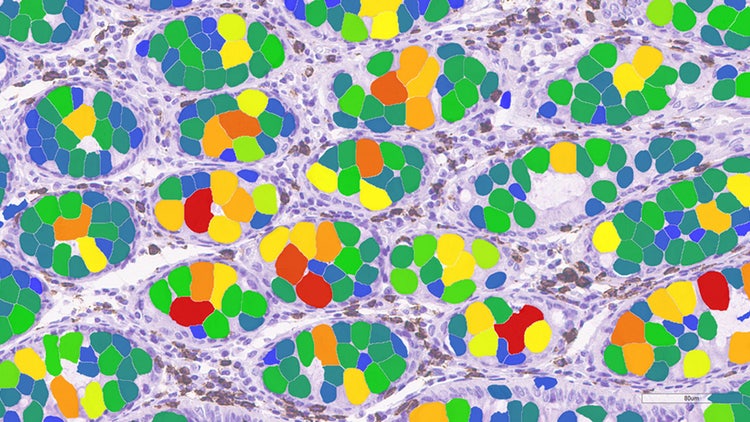
Modern drug development relies on producing high-quality, actionable data throughout all stages. As therapeutic modalities increase in complexity, analytical technologies have become crucial for understanding molecular behavior, maintaining product quality, and complying with changing regulatory standards.
High-Content Screening
High-content screening (HCS) is a cutting-edge approach in drug discovery and biological research that leverages advanced automated microscopy and sophisticated image analysis to gain deep insights into cellular behaviors and functions. When throughput and speed are required, high-content screening answers the call.
Cell-based assays include:
- Cytotoxicity
- Hit-to-Lead optimization
- Mechanism of action studies
- Transfection/transduction efficiency
- Contaminant detection
- 3D cell models

We see a way to acquire images 40% faster and accelerate time to results in high-content screening
Molecular Devices | ImageXpress HCS.ai High-Content Screening System
The ImageXpress HCS.ai system from Molecular Devices is a fast, intuitive and versatile system delivering deeper insights for every lab.
ImageXpress HCS.ai High-Content Screening System
The process of bringing a drug to market is highly challenging. For every drug that makes it to the finish line, another nine don’t succeed. This significant failure rate contributes to extended timelines. As cell-based assays evolve in complexity, Molecular Devices is stepping up to meet the challenges associated with advanced imaging and screening technologies. By developing innovative solutions tailored for both current and emerging therapeutic modalities, Molecular Devices is enhancing the capability to perform assays that keep pace with the rapidly evolving landscape.
Deep Visual Characterization
Deep characterization of tissue microenvironments through advanced imaging techniques, such as multiplexed fluorescence microscopy and spatial mapping, is leading the charge for the discovery and development of emerging therapeutics. To understand biological mechanisms and responses, deep visual characterization is required.
Applications supported by deep characterization:
- Visualizations of cellular interactions
- Mapping spatial relationships
- Characterization of 3D cell models
- Biomarker discovery
We See a Way to train users 50% faster to image organoids and 3D cultures.
Leica Microsystems | Mica – The world’s first Microhub
Leica Microsystems’ portfolio includes purpose-built imaging platforms that provide the required deep characterization for a wide variety of samples from tissue microarrays to 3D cell culture.
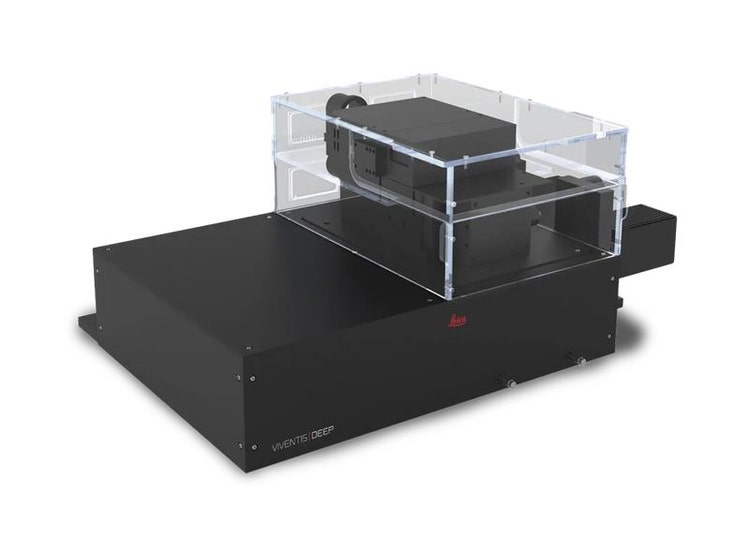
Leica Microsystems Viventis Deep
Leica Microsystems' Viventis Deep combines multi-view and multi-position light-sheet imaging to increase spatio-temporal resolution of your complex biological systems at the cellular level. Its open-top configuration and multi-position capabilities enable efficient, parallel data collection across diverse conditions.
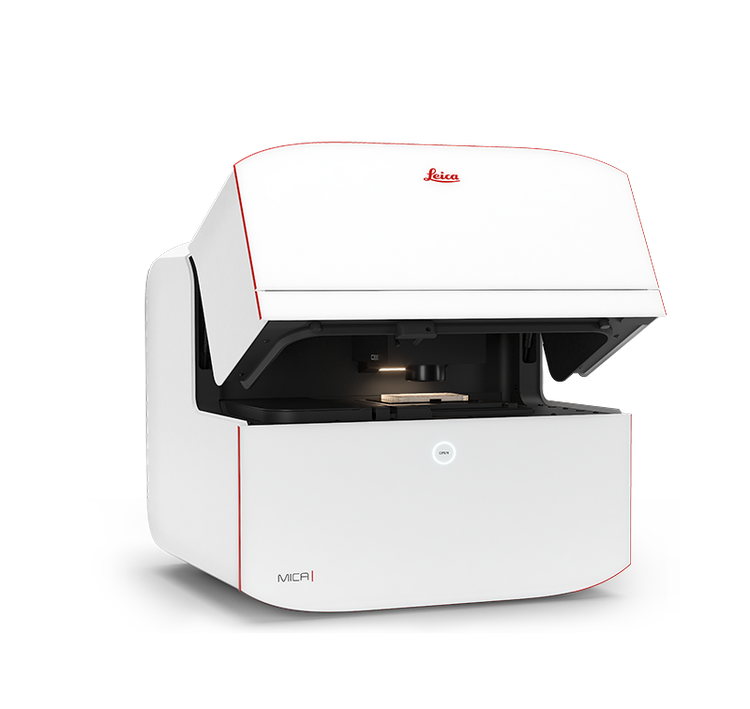
Leica Microsystems Mica
Leica Microsystems' Mica is a purpose-built microhub that makes microscopy accessible to more scientists, enabling easier live cell imaging under physiological-like conditions. By eliminating over 85% of setup steps needed to get to the first image and automating imaging settings, Mica empowers users to quickly generate higher-quality, accurate results with confidence and minimal technical input. This results in 33% less time to the first image and 4x more data with 100% correlation.
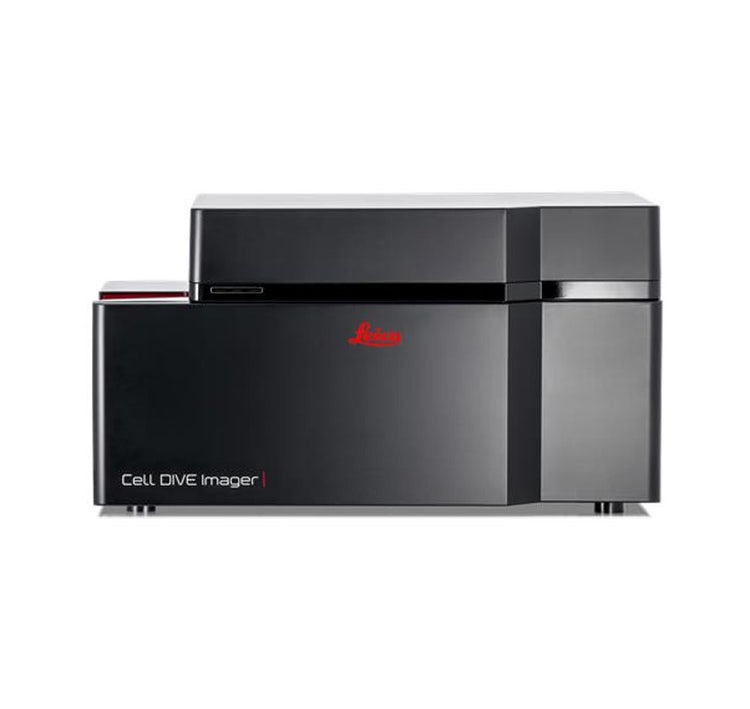
Leica Microsystems Cell DIVE Multiplex Imaging Solution
Leica Microsystems' Cell DIVE Multiplex Imaging Solution is a precise, open multiplexing solution that helps researchers deepen their understanding of the tissue microenvironment by offering outstanding spatial mapping of single cells within context. Unveil whole tissue imaging down to the single cell level, automatically calibrated and corrected to enable quality analysis downstream.
As new therapies develop, analytical requirements will keep changing. Our technologies are designed to handle current challenges and grow with future pipelines. Contact an expert today to see how we can work together to meet your analytical needs.