Autologous CAR-T Cell Therapy - One lab, three paths to faster outcomes
1
LABORATORY AUTOMATION | DIGITAL SOLUTIONS | ANALYTICAL TOOLS
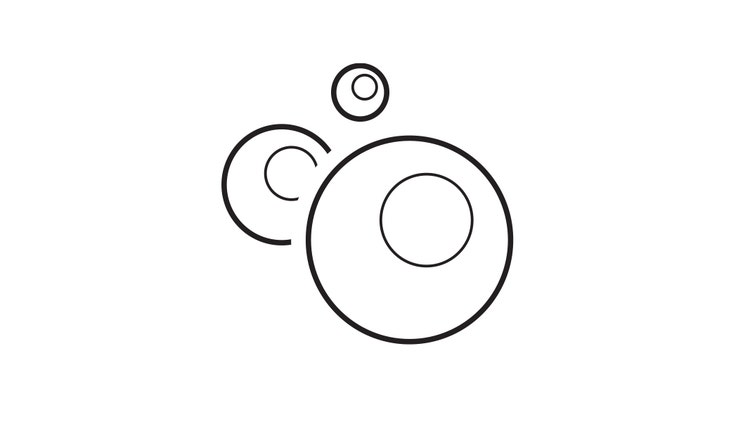
Cell Separation
Isolate patient-derived T cells from a clinical sample.
2
LABORATORY AUTOMATION | DIGITAL SOLUTIONS | ANALYTICAL TOOLS
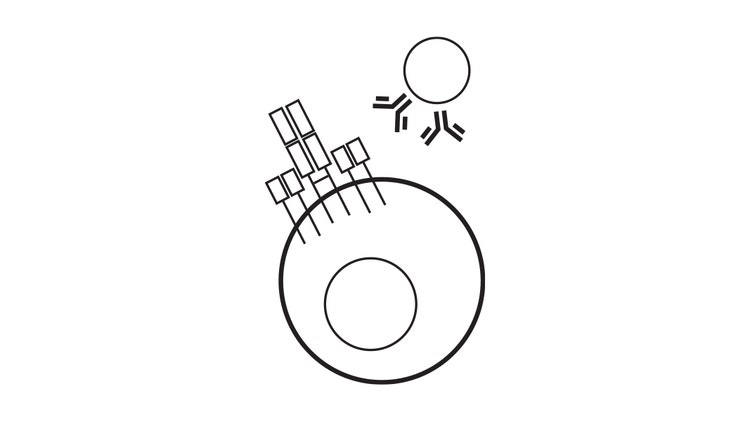
Activation
Activate isolated CD3+ T cells with stimulatory ligands.
3
LABORATORY AUTOMATION | DIGITAL SOLUTIONS | ANALYTICAL TOOLS
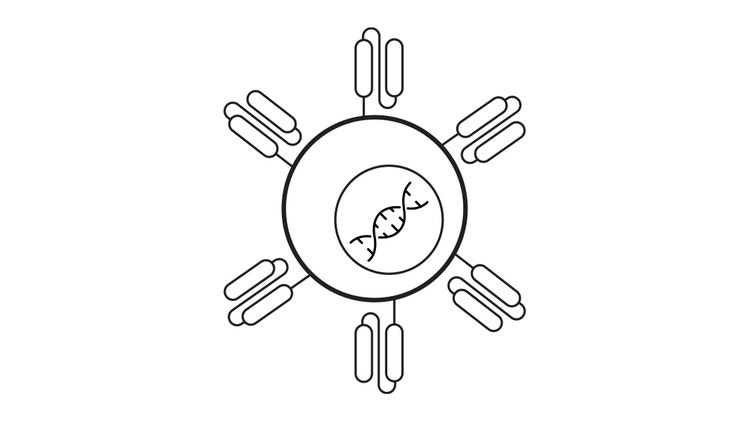
Gene Modification and Analysis
Modify activated T cells with selected CAR construct and vector, then analyze.
4
LABORATORY AUTOMATION | DIGITAL SOLUTIONS | ANALYTICAL TOOLS
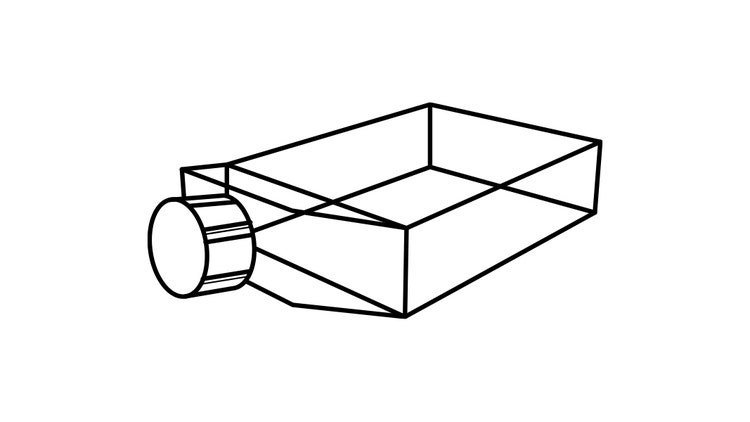
Cell Expansion
Expand newly modified CAR-T cells.
5

LABORATORY AUTOMATION | DIGITAL SOLUTIONS | ANALYTICAL TOOLS
Harvest, Fill & Finish
Wash and concentrate harvested CAR-T final cell populations for formulation and fill-finish steps.
6

LABORATORY AUTOMATION | DIGITAL SOLUTIONS | ANALYTICAL TOOLS
Release Testing
Perform final product QC and release testing to document identity, potency, purity, dosage and safety.
7

LABORATORY AUTOMATION | ANALYTICAL TOOLS | DIGITAL SOLUTIONS
Antibody Characterization
Analyze products for most desirable qualities, such as structure, glycosylation, binding activity and stability.
8

ANALYTICAL TOOLS | DIGITAL SOLUTIONS
Scale up – Cell Growth/Expansion
Move cultures from small volumes to bioreactors and gather data on how cell lines tolerate bioreactor stresses and volume scaling.
9

LABORATORY AUTOMATION | DIGITAL SOLUTIONS
GMP Master Cell Bank
Preserve stable cell lines to create stocks for transfer to a process development laboratory. Cell banks must be preserved at precise time periods, ensuring quality for later stages of drug development.