Proteomic Biomarkers: Discovery, Analysis and Applications in Life Science Research

Proteins are the backbone of biological activity, making proteomic biomarkers powerful tools for disease research. However, translating protein measurements into robust biomarkers requires more than identifying their changes across health and disease. This article explores the biomarker development pipeline, key analytical approaches and best practices for generating reproducible, clinically relevant proteomic insights.
Key Takeaways
- Proteomic biomarkers capture dynamic biological processes by measuring changes in protein abundance, activity and post-translational modifications that reflect cellular and disease states
- Successful biomarker development extends beyond discovery, requiring rigorous verification, validation and demonstration of analytical and biological relevance
- Mass spectrometry and immunoassay technologies play complementary roles, supporting broad biomarker discovery as well as targeted protein quantification and validation
- Bioinformatics and statistical analysis are essential for identifying meaningful protein signatures, reducing false discoveries and developing robust multi-protein biomarker panels
- Reproducibility depends on an end-to-end workflow, including standardized sample handling, well-designed cohorts, consistent analytical methods and traceable data practices
What are proteomic biomarkers?
Because proteins are the primary functional molecules within cells, their detection and quantification offer direct insight into biological processes and their disruption in disease. Proteomic biomarkers are measurable protein features, such as abundance, structure, activity, interactions and post-translational modifications (PTMs), that indicate a biological or disease state. They are widely used in biomarker discovery, translational research and precision medicine, allowing researchers to monitor disease state and therapeutic response.
Proteomic vs genomic biomarkers
Genomic and proteomic biomarkers provide complementary information, but they reflect different layers of biology. Genomic biomarkers are based on DNA sequence variations or genetic alterations and indicate inherited or acquired molecular changes that may influence disease risk or treatment response. Proteomic biomarkers, in contrast, measure proteins and their functional states, capturing the dynamic molecular activity occurring within cells and tissues at a given time.1
Because both genetic and environmental factors influence protein expression and modification, proteomic biomarkers often provide a closer representation of disease biology, physiological status and therapeutic effects than genomic information alone.2
Why proteins make informative biomarkers and how they reflect biology
Unlike DNA, which represents relatively stable genetic information, proteins are dynamic molecules that directly execute cellular functions and respond to external stimuli. Disease processes often alter protein abundance, expression patterns, localization, interactions, and post-translational modifications such as phosphorylation, glycosylation, and acetylation. These changes closely reflect cellular state and can reveal disease-associated activity that may not be identified from genomic data alone.3
While some biomarkers consist of a single protein, many applications rely on multiple protein signatures that capture coordinated changes across biological pathways. The combined detection of proteins associated with inflammation, immune or tissue remodeling offers a direct link between molecular mechanisms and observable phenotypes. To capture this complexity, studies often use panels rather than individual markers to improve biological interpretation and analytical performance.4,5
Types of Proteomic Biomarkers
Protein biomarkers can be classified by the biological or clinical question they are designed to address, as outlined below.6
Protein Biomarker Types (with illustrative role)
A single protein may serve multiple biomarker roles depending on the research context.
See how Danaher Life Sciences can help
What makes a useful protein biomarker?
The discovery of altered protein activity or abundance in disease does not automatically make that protein a useful biomarker. To support research, translational development or clinical decision-making, a candidate biomarker must demonstrate value across multiple scientific and analytical criteria.7
- Biological relevance: The biomarker should reflect the underlying disease mechanism, physiological process or therapeutic response being studied. Strong biological relevance increases confidence that measured changes are meaningful rather than incidental.
- Analytical measurability: The protein must be detectable and quantifiable accurately within the intended sample matrix and concentration range.
- Sensitivity and specificity: An effective biomarker should yield the relevant biological signal with minimal false-negative and false-positive results, improving confidence in data interpretation.
- Reproducibility: Measurements should remain consistent across experiments, instruments, operators, laboratories, patient cohorts and analytical platforms.
- Accessibility: The biomarker should be measurable in practical sample types, such as blood, plasma, serum, tissue or other accessible biological materials, using appropriate analytical methods.
- Clinical or research utility: The biomarker must add actionable value for a specific purpose, such as diagnosis, patient stratification, prognosis, treatment selection, response assessment or disease monitoring.
The protein biomarker discovery and validation pipeline
Protein biomarker development typically moves from exploratory discovery to validated assays suitable for research, translational studies or clinical implementation. Each stage is designed to progressively reduce uncertainty by confirming that candidate proteins are biologically relevant, analytically robust and capable of delivering meaningful information in the intended context of use.
Sample selection and pre-analytical quality
Successful biomarker studies begin with selecting the most appropriate biological matrix for the research question. Common sample types include serum, plasma, tissue, urine and cerebrospinal fluid, each providing access to different aspects of biology. For all of these samples, the highly abundant proteins that potentially obscure critical lower-abundance species remain a challenge for biomarker detection.7
To improve proteome coverage, researchers may use depletion, enrichment or fractionation strategies before analysis, while controlling for pre-analytical variables. In addition, standardized protocols for sample collection, processing, storage and transport help minimize technical variation, preserve protein integrity and reduce the risk of artifacts caused by improper sample handling.8
Discovery: untargeted profiling to find candidate proteins
The discovery phase aims to identify proteins that differ between biological states, such as healthy and diseased samples or treatment responders and non-responders. The phase starts with untargeted proteomic approaches, such as mass spectrometry, to simultaneously measure hundreds to thousands of proteins without prior assumptions about which molecules may be critical.9
The result is a list of candidate biomarkers associated with disease mechanisms or therapeutic responses. At this stage, sensitivity and breadth of coverage are prioritized to identify as many candidates as possible and to maximize the likelihood of capturing actionable proteomic changes.9
Qualification and verification: confirm candidates in independent samples
Promising candidates identified during discovery must be evaluated in independent sample sets to determine whether the observed associations can be reproduced. This qualification and verification stage narrows the candidate list by assessing the consistency, magnitude and biological implications of protein changes across different cohorts and experimental conditions.10
Targeted proteomic methods and orthogonal assays are often used to confirm findings. Proteins that fail to demonstrate reproducible performance are typically eliminated before entering larger validation studies.10
Validation: test performance in large, clinically representative cohorts
Validation studies assess biomarker performance in larger populations that more closely reflect the intended application. These studies evaluate key performance characteristics such as sensitivity, specificity, reproducibility and robustness across diverse patient groups, laboratories and analytical workflows.7
The goal is to determine whether the biomarker consistently provides accurate and reliable information under real-world conditions. Successful validation generates the evidence needed to support broader adoption in translational or clinical research settings.7
Clinical translation: assay development toward routine use
The final stage focuses on integrating validated biomarker candidates into practical assays that can be implemented routinely in clinical or healthcare settings. This process involves selecting the appropriate analytical platform, establishing assay performance specifications and defining quality controls. For biomarkers intended for clinical applications, additional studies may be required to demonstrate clinical utility and integration into healthcare workflows.11
Methods for protein biomarker analysis
A wide range of analytical technologies are used throughout the protein biomarker pipeline, from early-stage discovery to validation and routine measurement. In many biomarker programs, complementary technologies are combined to leverage the strengths of different analytical approaches.
Mass spectrometry-based proteomics
Mass spectrometry (MS)-based proteomics enables the simultaneous measurement of thousands of proteins, making it particularly valuable during discovery when potential biomarker candidates are unknown. By providing broad proteome coverage, untargeted analyses can identify proteins, pathways and molecular signatures associated with disease, treatment response or biological perturbation. Once candidate biomarkers have been identified, targeted MS methods can be used to verify and quantify specific proteins with greater sensitivity and selectivity.12
Antibody-based and immunoassay methods
Antibody-based methods use affinity reagents to detect and quantify known protein targets. Common examples include ELISA, multiplex immunoassays, bead-based assays and other immunodetection platforms. These approaches are widely used when target proteins have already been defined and validated, with many workflows capable of processing large numbers of samples. However, assay performance depends heavily on the availability and quality of specific, well-characterized affinity reagents. Antibody specificity, cross-reactivity and reagent consistency can significantly influence analytical performance.13
High-plex affinity proteomics platforms can measure thousands of predefined proteins and are increasingly used for large-scale plasma biomarker discovery, complementing mass spectrometry-based approaches.
Choosing and combining approaches
No single analytical platform is optimal for every biomarker application. Mass spectrometry is often favored during discovery because it does not require prior knowledge of candidate proteins and can interrogate large portions of the proteome. Immunoassays are commonly employed during later-stage validation and routine testing when specific protein targets are already established.14
Method selection should consider sample characteristics, expected analyte abundance, required sensitivity, throughput requirements and desired level of multiplexing. Researchers must also decide whether relative changes between groups are sufficient or whether absolute protein concentrations are needed. In practice, many programs combine technologies, using mass spectrometry for discovery and verification followed by immunoassays or targeted MS assays for large-scale validation and implementation.14
H3: Assay quantification and performance
Protein biomarker measurements can be reported as either relative or absolute quantities. Relative quantification compares protein abundance across samples or experimental conditions, while absolute quantification determines the actual concentration of a protein within a sample using calibrated reference standards.7
Regardless of the analytical platform, biomarker assays must demonstrate acceptable performance characteristics. Key criteria include the limit of detection (LOD), which defines the lowest analyte concentration that can be reliably distinguished from a blank, and the limit of quantification (LOQ), which defines the lowest concentration that can be measured reliably. Other important performance characteristics include precision, accuracy, and dynamic range.7
The table below summarizes the principal differences between mass spectrometry-based and antibody-based approaches.
Data analysis and bioinformatics in biomarker studies
Proteomic biomarker studies often generate large, complex datasets that require rigorous computational analysis. This can be achieved by bioinformatics workflows that streamline data preprocessing, statistical analysis and predictive modeling.
Data processing, normalization and quality control
The first step in proteomic data analysis involves converting raw measurements into a format suitable for statistical interpretation. This process typically includes peptide and protein identification, filtering low-confidence measurements, handling missing values and assessing overall data quality. Normalization methods are subsequently applied to reduce variability arising from differences in sample preparation, instrument performance or experimental conditions.15
Differential abundance analysis with multiple-testing correction
Once data quality has been established, researchers compare protein abundances across experimental groups to identify candidate biomarkers associated with a disease state, treatment response, or biological condition. This association is assessed using statistical tests to determine whether observed differences indicate biological changes.16
Because proteomic studies often evaluate large numbers of proteins simultaneously, multiple-testing correction is employed to control false-positive discoveries. Approaches such as false discovery rate (FDR) adjustment limit the expected proportion of false positives among statistically significant results; biological relevance still requires further interpretation and validation.17
Building and cross-validating multi-protein panels or classifiers
Many diseases are too complex to be represented accurately by a single biomarker. As a result, researchers frequently combine multiple proteins into biomarker panels or classification models. Multi-protein signatures can capture complementary aspects of disease biology and often outperform individual markers.18
Nevertheless, the reliability of panels must be evaluated using cross-validation approaches that repeatedly test model performance on independent subsets of data. This helps estimate how well a biomarker panel is likely to perform on new samples and reduces the risk of overfitting, in which a model captures dataset-specific patterns that do not generalize beyond the original study.
Machine learning for pattern detection and candidate prioritization
More advanced proteomics analyses make use of machine learning methods to discover relationships among proteins, classify samples and prioritize candidate biomarkers for further validation.
Supervised and unsupervised learning approaches are often used together in biomarker research. Unsupervised methods can reveal previously unrecognized protein subgroups or expression patterns, while supervised models can be trained to predict clinical outcomes, treatment responses, or prognosis. When combined with rigorous validation and biological interpretation, machine learning can accelerate biomarker discovery and support the development of more robust protein signatures.19,20
Applications of proteomic biomarkers in research
Proteomic biomarkers are used across a wide range of biomedical research areas to better understand disease mechanisms, identify patient subgroups and evaluate therapeutic responses.
- Oncology: Research applications include early disease detection, patient stratification, prognosis assessment and the identification of biomarkers associated with treatment response or resistance21,23
- Neurodegenerative and cardiovascular disease: Protein biomarkers are used to investigate disease mechanisms, monitor biological changes associated with progression and support risk assessment studies16,24
- Infectious disease: Proteomic approaches can identify pathogen-associated proteins and characterize host immune and inflammatory responses to infection25
- Drug development and precision medicine: Biomarkers help evaluate target engagement, pharmacodynamic responses, patient selection strategies and companion diagnostic approaches during therapeutic development26
Example: why single markers have limits
C-reactive protein (CRP) is one of the most widely studied protein biomarkers produced in response to inflammation. Elevated CRP levels are associated with systemic inflammatory responses and may be observed in infections, autoimmune disorders, cardiovascular disease and other inflammatory conditions. As a result, CRP is commonly used for monitoring inflammatory disease, assessing infections and researching cardiovascular risk.27
However, CRP is a nonspecific biomarker, meaning that elevated levels indicate inflammation but do not identify its underlying cause. For this reason, CRP measurements are typically interpreted alongside clinical findings and other biomarkers to provide a more complete understanding of the biological context. This limitation illustrates why many studies combine multiple proteins into panels rather than relying on a single marker.28
Challenges and considerations in biomarker development
Despite advances in proteomic technologies, relatively few biomarker candidates progress from discovery to routine use. Successful biomarker development requires more than identifying proteins associated with a disease. Candidates must demonstrate biological relevance, analytical robustness, reproducibility and practical value within the intended context of use.7
- Biological heterogeneity: Diseases often vary across patients, stages and subtypes, which can weaken biomarker signals or make them difficult to reproduce across populations.
- Pre-analytical variation: Differences in sample collection, processing, storage and transport can alter protein measurements and introduce bias before analysis even begins.
- Study design and overfitting: Small cohorts, poorly matched comparison groups or excessive model optimization can generate protein signatures that perform well in a discovery dataset but fail when evaluated in independent populations.
- Assay transferability: A promising biomarker identified on one analytical platform may not be measured consistently across different instruments, laboratories or routine testing workflows.
- Clinical utility: Even analytically robust biomarkers may see limited adoption if they do not improve diagnosis, prognosis, patient stratification, treatment decisions or other outcomes beyond existing approaches.
Addressing these challenges requires careful study design, rigorous validation, standardized workflows and evaluation in clinically representative cohorts. These considerations help determine whether a biomarker can move successfully from discovery research to broader application.
Building a reproducible discovery-to-validation workflow
Many of these challenges can be mitigated by building reproducibility into the workflow from the start rather than addressing it at the end. Successful programs integrate standardized processes across discovery, verification and validation stages so that results remain comparable across studies, cohorts and analytical platforms. Key steps include:7
- Standardized sample handling and quality control to reduce pre-analytical variation introduced during collection, processing, storage, and analysis.
- Harmonized quantification and data analysis approaches to improve assay transferability and support reliable comparison of results across platforms, laboratories and development stages.
- Well-designed cohorts and adequate statistical power to account for biological heterogeneity and reduce the risk of overfitting. Appropriate controls, representative populations and independent validation sets improve the ability to detect biologically relevant signals and evaluate their reproducibility.
- Traceable and reproducible data workflows that document analytical methods, quality metrics, and decision points throughout the project lifecycle. This transparency supports data integrity, facilitates cross-study comparisons, and enables independent verification of findings.
A connected, end-to-end strategy helps ensure that biomarker candidates identified during discovery can be evaluated, validated and advanced with greater confidence, supporting more efficient translational and clinical research programs.
Featured Products
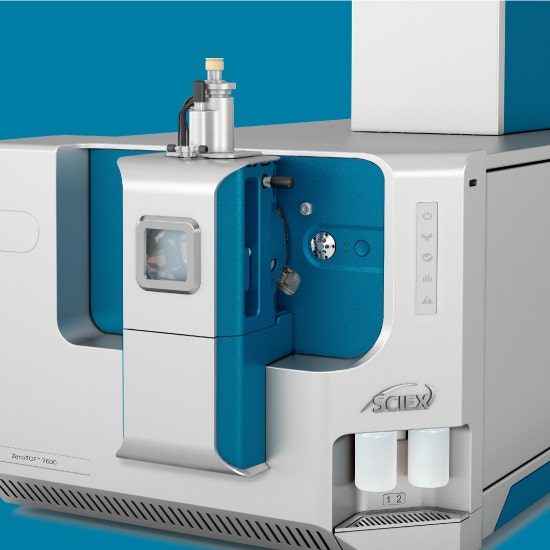
ZenoTOF 7600 System for Mass Spectrometry
A high-resolution mass spectrometry system combining Zeno trap sensitivity, electron-activated dissociation and Zeno SWATH data-independent acquisition for deep, quantitative proteome coverage, including low-abundance plasma proteins, in large-scale biomarker studies.
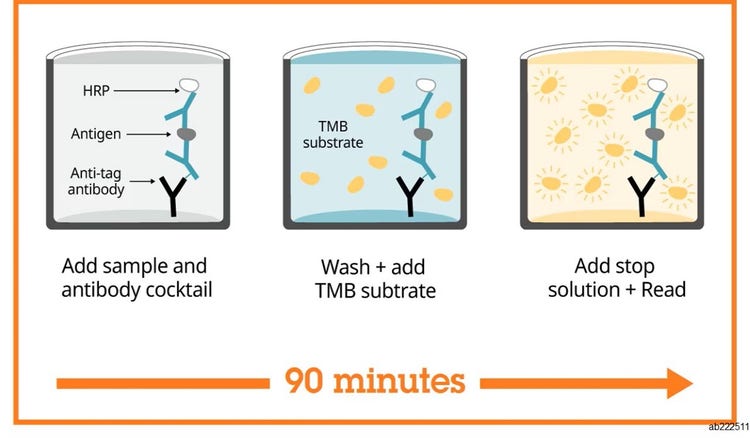
Human CRP ELISA Kit (C-Reactive protein)(ab260058)
A single-wash, 90-minute SimpleStep ELISA kit for quantitative measurement of human C-reactive protein in serum, plasma, cerebrospinal fluid and cell culture supernatant.
See how Danaher Life Sciences can help
FAQ's
What sample size is needed for a reliable biomarker discovery study?
No universal sample-size threshold exists for biomarker discovery; study size depends on disease heterogeneity, expected effect, assay variability and intended use. Study-design power calculations help ensure sufficient sample size to detect meaningful biological differences, considering the expected magnitude of protein change, individual variation and the significance threshold.
Can a single protein be a reliable biomarker or are panels usually better?
Some single proteins provide valuable biological insight, but many diseases involve multiple molecular pathways. As a result, multi-protein panels often provide improved sensitivity, specificity and disease classification compared with individual biomarkers.
What is the difference between biomarker verification and validation?
Verification confirms that candidate biomarkers discovered in an initial study can be reproduced in independent samples. Validation is a more extensive process that evaluates biomarker performance, robustness and reproducibility in larger clinical cohorts.
How is assay reproducibility assessed across different labs?
Reproducibility is evaluated through inter-laboratory studies that compare assay performance using standardized protocols, reference materials, quality controls and predefined analytical metrics.
What regulatory considerations apply when a biomarker moves toward clinical use?
Clinical biomarkers generally require evidence of analytical validity, clinical validity and fitness for the intended use. Documentation, quality systems and regulatory requirements vary according to region and application.
How do you control for pre-analytical variability in blood-based biomarker studies?
Pre-analytical variability is minimized through standardized collection procedures, consistent processing times, controlled storage conditions and careful documentation of sample handling throughout the study.
References
- Shama A, Soni T, Jawanda IK, Upadhyay G, Sharma A, Prabha V. The latest developments in using proteomic biomarkers from urine and serum for non-invasive disease diagnosis and prognosis. Biomark Insights. 2023;18:11772719231190218.
- Abbasian MH, Ardekani AM, Sobhani N, Roudi R. The role of genomics and proteomics in lung cancer early detection and treatment. Cancers (Basel). 2022;14(20):5144.
- Enitan S, Adejumo E, Osakue O, Enitan C, Eke S, Akele R, et al. Integrating genomics and proteomics technologies in biological research: Advantages, challenges, and prospects. Glob South Health Horiz. 2025;1(1):12-35.
- Qian L, Zhu J, Xue Z, Zhou Y, Xiang N, Xu H, et al. Proteomic landscape of epithelial ovarian cancer. Nat Commun. 2024;15(1):6462.
- Navrazhina K, Garcet S, Gonzalez J, Grand D, Frew JW, Krueger JG. In-depth analysis of the hidradenitis suppurativa serum proteome identifies distinct inflammatory subtypes. J Invest Dermatol. 2021;141(9):2197-2207.
- Kędzierska M, Bańkosz M. Role of proteins in oncology: advances in cancer diagnosis, prognosis, and targeted therapy. A narrative review. J Clin Med. 2024;13(23):7131.
- Nakayasu ES, Gritsenko M, Piehowski PD, Gao Y, Orton DJ, Schepmoes AA, et al. Tutorial: best practices and considerations for mass-spectrometry-based protein biomarker discovery and validation. Nat Protoc. 2021;16(8):3737-3760.
- Kaur G, Poljak A, Ali SA, Zhong L, Raftery MJ, Sachdev P. Extending the depth of human plasma proteome coverage using simple fractionation techniques. J Proteome Res. 2021;20(2):1261-1279.
- Garcia-Ovejero D, Beyerer E, Mach O, Leister I, Strowitzki M, Wutte C, et al. Untargeted blood serum proteomics identifies novel proteins related to neurological recovery after human spinal cord injury. J Transl Med. 2024;22(1):666.
- Ogata S, Masuda T, Ito S, Ohtsuki S. Targeted proteomics for cancer biomarker verification and validation. Cancer Biomark. 2022;33(4):427-436.
- Moaddel R, Ubaida-Mohien C, Tanaka T, Lyashkov A, Basisty N, Schilling B, et al. Proteomics in aging research: a roadmap to clinical, translational research. Aging Cell. 2021;20(4):e13325.
- Guo T, Steen JA, Mann M. Mass-spectrometry-based proteomics: from single cells to clinical applications. Nature. 2025;638(8052):901-911.
- Ren AH, Diamandis EP, Kulasingam V. Uncovering the depths of the human proteome: antibody-based technologies for ultrasensitive multiplexed protein detection and quantification. Mol Cell Proteomics. 2021;20.
- Whiteaker JR, Lundeen RA, Zhao L, Schoenherr RM, Burian A, Huang D, et al. Targeted mass spectrometry enables multiplexed quantification of immunomodulatory proteins in clinical biospecimens. Front Immunol. 2021;12:765898.
- Waury K, Willemse EA, Vanmechelen E, Zetterberg H, Teunissen CE, Abeln S. Bioinformatics tools and data resources for assay development of fluid protein biomarkers. Biomark Res. 2022;10(1):83.
- Imam F, Saloner R, Vogel JW, Krish V, Abdel-Azim G, Ali M, et al. The Global Neurodegeneration Proteomics Consortium: biomarker and drug target discovery for common neurodegenerative diseases and aging. Nat Med. 2025;31(8):2556-2566.
- Vanmaele A, Bouwens E, Hoeks SE, Kindt A, Lamont L, Fioole B, et al. Targeted plasma multi-omics propose glutathione, glycine and serine as biomarkers for abdominal aortic aneurysm growth on serial CT scanning. Atherosclerosis. 2024;398:118620.
- Hartl J, Kurth F, Kappert K, Horst D, Mülleder M, Hartmann G, et al. Quantitative protein biomarker panels: a path to improved clinical practice through proteomics. EMBO Mol Med. 2023;15(4):e16061.
- Xu G, Wu E, Lin Y, Lin L, Qiao L. Unsupervised machine learning for differential analysis in proteomics. Anal Chem. 2025;97(41):22530-22540.
- Tandon R, Levey AI, Lah JJ, Seyfried NT, Mitchell CS. Machine learning selection of most predictive brain proteins suggests role of sugar metabolism in Alzheimer's disease. J Alzheimers Dis. 2023;92(2):411-424.
- Hinestrosa JP, Kurzrock R, Lewis JM, Schork NJ, Schroeder G, Kamat AM, et al. Early-stage multi-cancer detection using an extracellular vesicle protein-based blood test. Commun Med (Lond). 2022;2(1):29.
- Sun J, Zhao J, Jiang F, Wang L, Xiao Q, Han F, et al. Identification of novel protein biomarkers and drug targets for colorectal cancer by integrating human plasma proteome with genome. Genome Med. 2023;15(1):75.
- Wang X, Huang J, Chen W, Li G, Li Z, Lei J. The updated role of exosomal proteins in the diagnosis, prognosis, and treatment of cancer. Exp Mol Med. 2022;54(9):1390-1400.
- Joshi A, Rienks M, Theofilatos K, Mayr M. Systems biology in cardiovascular disease: a multiomics approach. Nat Rev Cardiol. 2021;18(5):313-330.
- Gaeddert M, Glaser K, Chendi BH, Sultanli A, Koeppel L, MacLean EL, et al. Host blood protein biomarkers to screen for tuberculosis disease: a systematic review and meta-analysis. J Clin Microbiol. 2024;62(11):e00786-24.
- Liao J, Li X, Gan Y, Han S, Rong P, Wang W, et al. Artificial intelligence assists precision medicine in cancer treatment. Front Oncol. 2023;12:998222.
- Zhou HH, Tang YL, Xu TH, Cheng B. C-reactive protein: structure, function, regulation, and role in clinical diseases. Front Immunol. 2024;15:1425168.
- Mouliou DS. C-reactive protein: pathophysiology, diagnosis, false test results and a novel diagnostic algorithm for clinicians. Diseases. 2023;11(4):132.