Phenotypic Biomarkers: Types, Technologies and Applications

Phenotypic biomarkers are the visible and measurable traits that reflect what is happening inside the body, from cell shape and protein expression to behavior and treatment response. They help bridge the gap between complex biology and practical healthcare decisions. By exploring how these biomarkers are discovered, measured and applied, this article aims to provide a clear sense of their value in drug development, precision medicine and everyday clinical practice.
Key Takeaways
- Phenotypic biomarkers capture observable traits that reflect underlying biology, making them essential for connecting lab findings to patient outcomes
- Technologies like imaging, flow cytometry, molecular assays and AI‑driven analytics provide powerful ways to quantify and interpret phenotypic data
- From drug discovery and lead optimization to patient stratification and treatment monitoring, phenotypic biomarkers drive progress across research and medicine
- Standardization, reproducibility and managing complex datasets remain key hurdles, requiring robust workflows and computational support
- By complementing genotypic biomarkers, phenotypic measures provide real‑time insights into disease progression and therapeutic response, strengthening personalized care strategies
See how Danaher Life Sciences can help
What Are Phenotypic Biomarkers?
Molecular biomarkers derived from biochemical or genetic assays, while highly informative, do not always capture the full complexity of biological processes. Phenotypic biomarkers address this gap by providing measurable traits or observable characteristics that reflect underlying biology, disease states and treatment responses. 1
A phenotypic biomarker is a quantifiable phenotype that serves as an indicator of health, disease progression or therapeutic efficacy. These traits may be:
- Morphological: tumor size, lesion volume2
- Physiological: Blood pressure, lung function3
- Behavioral: gait patterns, speech changes4
Together, they cultivate a more comprehensive understanding of disease by linking outward expression to internal biology.
A phenotypic biomarker differs from a phenotypic marker in the significance of its measurement. The latter refers broadly to any observable trait, such as eye color or body mass index, without necessarily linking it to disease or treatment outcomes. A biomarker, however, is a validated biological measure used to assess health or disease. Thus, when a phenotypic marker is rigorously correlated with clinical outcomes, it becomes a phenotypic biomarker.5
Characteristics of an Effective Phenotypic Biomarker
A phenotypic biomarker must have certain characteristics to provide value in clinical and healthcare settings. These characteristics include sensitivity, specificity, reproducibility, clinical relevance, quantifiability and longitudinal monitoring capability.
Sensitivity
An effective biomarker must be sensitive enough to detect subtle biological changes, even at early stages of disease. High sensitivity ensures that low‑abundance or minor phenotypic variations are captured, reducing the risk of false negatives. In oncology, small reductions in tumor size observed on imaging can signal an early therapeutic response, underscoring the importance of sensitivity in detecting clinically meaningful changes.2
Specificity
Specificity distinguishes disease- or treatment-related signals from unrelated variation. A specific phenotypic biomarker minimizes false positives by ensuring that the observed trait is strongly associated with the condition or therapeutic response being studied. For example, gait abnormalities can support the assessment of Parkinson’s disease, although they are not exclusive to Parkinson’s and should be interpreted alongside other clinical and biomarker evidence.6
Reproducibility
Reproducibility helps ensure that measurements remain consistent across populations, time points and experimental settings. Without reproducibility, phenotypic biomarkers lose credibility in both research and clinical practice.
Clinical Relevance
A biomarker must provide information that is meaningful for patient care, disease monitoring or therapeutic decision‑making. Clinical relevance bridges the gap between research findings and actionable outcomes in healthcare.
Quantifiability
Effective biomarkers must be measurable in a standardized, objective manner. Quantifiability enables statistical validation, cross-study comparison and integration into regulatory frameworks.
Longitudinal Monitoring Capability
The ability to track changes over time is critical. Longitudinal monitoring enables researchers and clinicians to assess disease progression, treatment response and long‑term outcomes using the same biomarker consistently. Cognitive performance scores in Alzheimer’s disease can support longitudinal monitoring. However, they should be interpreted alongside biological biomarkers and clinical assessment because education, comorbidities and testing conditions influence them.7
Types of Phenotypic Biomarkers
Morphological Biomarkers
Morphological biomarkers capture structural features such as cell shape, nuclear size and tissue architecture. These traits are commonly assessed through histopathology and imaging workflows, where changes in cell populations or tissue organization can indicate malignancy or disease progression. For example, irregular nuclear contours observed under microscopy often serve as morphological biomarkers in cancer diagnostics.8
Molecular and Protein Expression Biomarkers
Although rooted in molecular biology, expression-based measures can be considered phenotypic when they are used to characterize cellular state or observable disease behavior. Surface receptor expression, signaling protein levels and spatial mRNA distribution may fall into this category when linked to phenotype. HER2 receptor overexpression in breast cancer is a clinically validated biomarker that links expression levels to disease classification and treatment selection. Techniques such as immunohistochemistry, flow cytometry and multiplex imaging enable researchers to quantify these biomarkers for comparative analysis, clinical trial design and treatment monitoring.9
Functional and Behavioral Biomarkers
Functional biomarkers reflect dynamic cellular processes such as proliferation, apoptosis, migration, secretion and metabolism. These measures are widely used in drug screening and toxicity testing, where assays like caspase activation for apoptosis or glucose uptake for metabolic activity provide functional readouts of cellular health. For instance, increased cell migration in wound‑healing or invasion assays can indicate migratory or invasive potential, although metastatic behavior requires additional in vivo and clinical evidence.10
High‑Content Phenotypic Biomarkers
High-content biomarkers arise from image‑based profiling and multiparametric assays that capture dozens or even hundreds of cellular features simultaneously. Instead of focusing on a single trait (like cell size), high-content approaches quantify multiple aspects of morphology, protein localization and functional activity in parallel. High‑content screening is frequently employed in drug discovery, revealing subtle phenotypic shifts across thousands of cells and providing a rich dataset that reflects complex biological responses.11
Digital Phenotypic Biomarkers
Digital phenotypic biomarkers, by contrast, are measured in real‑world environments using digital technologies such as wearables, smartphones, sensors and apps. They continuously capture physiological and behavioral traits non‑invasively, outside the laboratory. Examples include gait analysis via smartphone accelerometers, heart rate variability tracked by smartwatches or speech pattern monitoring through mobile apps.12
Genotypic vs. Phenotypic Biomarkers in Precision Medicine
Genotypic and phenotypic biomarkers measure biological processes at different levels, complementing each other for a sound overview of diseases and treatment responses.
Genotypic biomarkers are DNA- or RNA-based indicators that reveal genetic variants, mutations or expression patterns associated with disease risk, progression or therapeutic response. Examples include BRCA1/2 pathogenic variants in hereditary breast and ovarian cancer risk13, EGFR activating mutations in non-small cell lung cancer14 and specific single-nucleotide polymorphisms linked to drug metabolism. DNA-based biomarkers are relatively stable, while RNA expression biomarkers may vary with tissue type, disease state and treatment exposure.15
The table below summarizes key differences between genotypic and phenotypic biomarkers.
Both types of biomarkers are often used together in disease research and clinical care, particularly in oncology. EGFR mutation testing can identify patients eligible for EGFR tyrosine kinase inhibitors, while imaging-based changes in tumor burden can help monitor therapeutic response.16 This is one of many examples of how precision medicine integrates biomarker types to guide patient care.
Measurement Technologies for Phenotypic Biomarkers
Microscopy and High-Content Imaging
Microscopy remains a cornerstone of phenotypic biomarker discovery, spanning widefield and confocal platforms to advanced high‑content imaging systems. These technologies enable researchers to capture detailed cellular and tissue features. Quantitative image analysis draws further information by extracting measurable traits such as nuclear morphology, protein localization or organelle dynamics.17
Flow Cytometry and Cell Sorting
Flow cytometry provides multiparameter phenotyping by measuring surface and intracellular markers at single‑cell resolution. When combined with cell sorting, it enables the detection of rare populations and functional states within heterogeneous samples, such as the tumor microenvironment.18
Molecular Assay Platforms
Molecular assays such as immunoassays, multiplex protein panels and gene expression profiling can provide phenotypic context when molecular signatures are linked to observable traits or clinical states. Combining molecular assays with functional readouts can strengthen mechanistic interpretation; for example, cytokine profiling paired with cell migration assays can provide a more complete picture of immune activation and cellular behavior.19
Automation, Data Management and Analytics
Due to the error-prone and variable nature of manual workflows, modern phenotypic biomarker measurement relies heavily on automation and computational pipelines. Automated sample preparation reduces variability, while advanced software platforms handle feature extraction, quality control and comparative analytics. Machine learning and AI further enhance analysis capabilities by identifying subtle phenotypic patterns that may be overlooked by manual inspection, enabling scalable and standardized biomarker discovery.20
Applications of Phenotypic Biomarkers
Phenotypic biomarkers are applied across the biomedical spectrum, from early drug discovery to clinical practice, providing measurable insights that guide research, patient care and regulatory decisions. These applications can be categorized as follows:
- Drug Discovery: Phenotypic biomarkers help identify biological effects of compounds in cell‑based or animal models. They provide functional readouts that reveal whether a drug candidate produces meaningful biological changes, often serving as the first indication of therapeutic potential.1
- Target Identification: By linking observable traits to molecular pathways, phenotypic biomarkers assist in uncovering novel drug targets. For example, changes in cell migration or apoptosis can point researchers toward signaling pathways that drive disease progression.21
- Target Validation: Once a potential target is identified, phenotypic biomarkers confirm its relevance by demonstrating that modulating the target produces consistent and measurable biological effects. This validation step ensures that drug development efforts are focused on clinically meaningful mechanisms.22
- Lead Optimization: During drug development, phenotypic biomarkers guide refinement of lead compounds by comparing efficacy, potency and safety profiles. They provide quantitative measures that help select the most promising candidates for advancement.23
- Precision Medicine: Phenotypic biomarkers enable tailored therapies by stratifying patients based on observable traits or treatment responses. This ensures that interventions are matched to individuals most likely to benefit, improving outcomes and reducing unnecessary exposure.24
- Companion Diagnostics Research: In translational research, phenotypic biomarkers may inform the development of companion or complementary diagnostics that predict treatment response. Imaging biomarkers, for instance, can help identify or monitor patients who may benefit from targeted therapies, depending on the clinical context and regulatory validation.25
- Disease Stratification: By distinguishing subtypes of disease based on phenotypic traits, biomarkers improve classification and prognosis. This stratification is critical in complex conditions like cancer, where heterogeneity influences therapeutic success.26
- Patient Selection for Clinical Studies: Phenotypic biomarkers help identify patients most suitable for inclusion in clinical trials, ensuring homogeneity in study populations and increasing the likelihood of detecting meaningful treatment effects.27
- Treatment Response Monitoring: Clinicians use phenotypic biomarkers to track therapeutic efficacy over time. Imaging, physiological measures or behavioral assessments provide real‑time feedback on whether a treatment is working.28
- Safety and Toxicity Assessment: Phenotypic biomarkers also play an important role in evaluating adverse biological effects. Functional assays, imaging and physiological readouts can reveal toxicity signals earlier in development, helping support risk assessment, patient safety and regulatory decision-making. 29
Real-World Examples of Phenotypic Biomarkers
One prominent example of a phenotypic biomarker is prostate-specific membrane antigen positron emission tomography (PSMA PET) imaging in oncology. In this imaging method, PSMA expression is visualized to assess tumor burden and metastatic spread. This imaging‑based biomarker provides anatomical and functional information that can support diagnosis, staging and treatment planning in prostate cancer.30
In addition to imaging-based biomarkers, single‑cell phenotypic assays in cancer highlight the power of modern technologies to capture tumor heterogeneity. Techniques such as flow cytometry and microfluidic assays measure proliferation, apoptosis and signaling activity at the single-cell level, revealing rare subpopulations, including drug‑resistant clones.31
Another example comes from blood typing and inherited phenotypic markers. Traits such as ABO and Rh factor, determined by red blood cell surface antigens, are inherited phenotypic markers with biomarker relevance in transfusion medicine and maternal‑fetal health. In organ transplantation, ABO compatibility is clinically important, while HLA and other immunologic markers are central to donor-recipient matching.32
Challenges in Phenotypic Biomarker Discovery
Despite their promise, phenotypic biomarkers face several hurdles that can limit their clinical translation. Phenotypic measures can only become robust tools in both research and patient care by addressing these challenges.
Standardization and Reproducibility
One of the most persistent challenges is the lack of standardized workflows across laboratories. Assay validation, reference standards and inter‑lab variability often introduce inconsistencies that undermine reproducibility. Without harmonized protocols and quality systems, phenotypic biomarkers become unreliable when applied across different studies or clinical settings. That is why establishing consistent workflows and rigorous quality control is essential for building confidence in biomarker data.1
Data Volume, Complexity and Interpretation
Modern phenotypic biomarker discovery generates massive datasets, particularly from high‑content imaging and single‑cell assays. Managing, storing and interpreting these data requires advanced computational infrastructure.
Machine learning and computational phenotyping play an increasingly important role in extracting meaningful patterns from complex datasets, but challenges remain in ensuring transparency, avoiding bias and validating algorithms. These bottlenecks can be addressed through integrated data management pipelines and interpretable analytics tools that translate rich datasets into actionable, regulatory-ready biomarker evidence.33
Featured Product
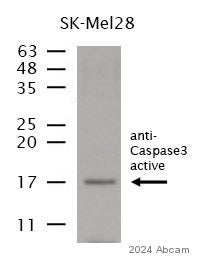
Anti-Cleaved Caspase-3 antibody (AB2302)
Rabbit polyclonal antibody targeting Cleaved Caspase-3, validated for Western blot against human recombinant protein and samples. Cited in 1,367 publications.
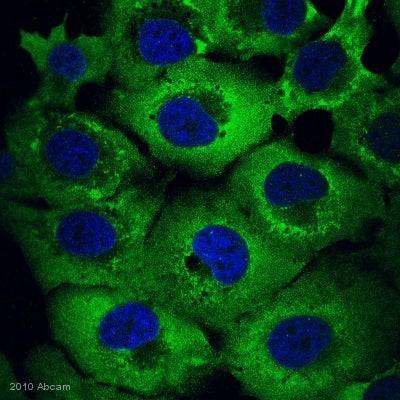
Pro-Apoptosis Bcl Family Antibody Sampler Panel (AB228527)
Antibody sampler panel covering the pro-apoptosis Bcl family (Bad, Bax, Bcl-2, Bcl-XL and MCL1) for apoptosis research.
See how Danaher Life Sciences can help
FAQ's
How do high-content imaging and AI enhance phenotypic biomarker discovery?
High-content imaging captures thousands of cellular features in parallel, while AI algorithms detect subtle, complex patterns within these datasets. Together, they accelerate discovery by revealing phenotypic changes that traditional analysis might miss.
What are the regulatory considerations for developing phenotypic biomarkers for clinical research?
Regulatory bodies require validated assays, reproducibility across labs and clear clinical utility. Biomarkers must demonstrate consistency and relevance before being accepted in clinical research.
How are phenotypic biomarkers integrated with genomics, proteomics and other multi-omics data to guide combination therapies?
Phenotypic biomarkers link observable traits to molecular signatures, complementing genomics and proteomics. This integration helps design combination therapies by aligning biological mechanisms with patient outcomes.
What makes a “good” phenotypic biomarker?
A strong biomarker is sensitive, specific, reproducible and clinically meaningful, offering actionable insights for both research and patient care.
How are phenotypic biomarkers used to support early-stage drug discovery?
Outputs may include raw and processed datasets, quality-control results, statistical analyses, visualizations, biomarker candidates, reports and predictive models.
References
- Vincent F, Nueda A, Lee J, Schenone M, Prunotto M, Mercola M. Phenotypic drug discovery: recent successes, lessons learned and new directions. Nat Rev Drug Discov 2022;21(12):899‑914.
- Ko C‑C, Yeh L‑R, Kuo Y‑T, Chen J‑H. Imaging biomarkers for evaluating tumor response: RECIST and beyond. Biomark Res 2021;9(1):52.
- Li R, Rueschman M, Gottlieb DJ, Redline S, Sofer T. A composite sleep and pulmonary phenotype predicting hypertension. EBioMedicine 2021;68.
- Kushioka J, Sun R, Zhang W, Muaremi A, Leutheuser H, Odonkor CA, et al. Gait variability to phenotype common orthopedic gait impairments using wearable sensors. Sensors 2022;22(23):9301.
- Menozzi E, Schapira AH. Exploring the genotype–phenotype correlation in GBA‑Parkinson disease: clinical aspects, biomarkers, and potential modifiers. Front Neurol 2021;12:694764.
- Mancini M, Afshari M, Almeida Q, Amundsen‑Huffmaster S, Balfany K, Camicioli R, et al. Digital gait biomarkers in Parkinson’s disease: susceptibility/risk, progression, response to exercise, and prognosis. npj Parkinsons Dis 2025;11(1):51.
- Therriault J, Schindler SE, Salvadó G, Pascoal TA, Benedet AL, Ashton NJ, et al. Biomarker‑based staging of Alzheimer disease: rationale and clinical applications. Nat Rev Neurol 2024;20(4):232‑244.
- Pérez‑Venteo A, Bosch‑Calvet M, Garcia‑Cajide M, Mauvezin C. The responsive nucleus: morphological signatures of cellular state. Nucleus 2026;17(1):2630145.
- Venetis K, Crimini E, Sajjadi E, Corti C, Guerini‑Rocco E, Viale G, et al. HER2 low, ultra‑low, and novel complementary biomarkers: expanding the spectrum of HER2 positivity in breast cancer. Front Mol Biosci 2022;9:834651.
- Bouchalova P, Bouchal P. Current methods for studying metastatic potential of tumor cells. Cancer Cell Int 2022;22(1):394.
- Hughes RE, Elliott RJ, Dawson JC, Carragher NO. High‑content phenotypic and pathway profiling to advance drug discovery in diseases of unmet need. Cell Chem Biol 2021;28(3):338‑355.
- Alonso AKM, Hirt J, Woelfle T, Janiaud P, Hemkens LG. Definitions of digital biomarkers: a systematic mapping of the biomedical literature. BMJ Health Care Inform 2024;31(1):e100914.
- Panagopoulou M, Panou T, Gkountakos A, Tarapatzi G, Karaglani M, Tsamardinos I, et al. BRCA1 & BRCA2 methylation as a prognostic and predictive biomarker in cancer: Implementation in liquid biopsy in the era of precision medicine. Clin Epigenetics 2024;16(1):178.
- Butkiewicz D, Krześniak M, Gdowicz‑Kłosok A, Giglok M, Marszałek‑Zeńczak M, Suwiński R. Polymorphisms in EGFR gene predict clinical outcome in unresectable non‑small cell lung cancer treated with radiotherapy and platinum‑based chemoradiotherapy. Int J Mol Sci 2021;22(11):5605.
- Narendra G, Choudhary S, Raju B, Verma H, Silakari O. Role of genetic polymorphisms in drug‑metabolizing enzyme‑mediated toxicity and pharmacokinetic resistance to anti‑cancer agents: a review on the pharmacogenomics aspect. Clin Pharmacokinet 2022;61(11):1495‑1517.
- Mahajan A, Kania V, Agarwal U, Ashtekar R, Shukla S, Patil VM, et al. Deep‑learning‑based predictive imaging biomarker model for EGFR mutation status in non‑small cell lung cancer from CT imaging. Cancers (Basel) 2024;16(6):1130.
- Ni H, Dessai CP, Lin H, Wang W, Chen S, Yuan Y, et al. High‑content stimulated Raman histology of human breast cancer. Theranostics 2024;14(4):1361.
- Bonilla DL, Reinin G, Chua E. Full spectrum flow cytometry as a powerful technology for cancer immunotherapy research. Front Mol Biosci 2021;7:612801.
- Wang K, Khoramjoo M, Srinivasan K, Gordon PM, Mandal R, Jackson D, et al. Sequential multi‑omics analysis identifies clinical phenotypes and predictive biomarkers for long COVID. Cell Rep Med 2023;4(11).
- Echle A, Rindtorff NT, Brinker TJ, Luedde T, Pearson AT, Kather JN. Deep learning in cancer pathology: a new generation of clinical biomarkers. Br J Cancer 2021;124(4):686‑696.