From Culture to Insight: Integrated Solutions for Developing and Imaging Human-Relevant Models with Automation and AI

What advancements are being made in automating and scaling cell culture to support human-relevant biological models
The pressure to move drugs to clinical trials faster has increased the demand for scalable, high-throughput screening models models. 3D organoid challenges, like reproducibility, scalability and labor-intensive protocols, shouldn’t limit their broader adoption.
To address these limitations, Molecular Devices has developed the CellXpress.ai® Automated Cell Culture System—a fully integrated platform that automates and standardizes both 2D and 3D cell culture. This system enhances reproducibility, scalability and efficiency to enable high-content organoid culturing and screening through:


This purpose-built platform makes advanced cell models more accessible for drug discovery by improving assay reliability and throughput.

We See a Way to boost in-house organoid production by 25 times compared to culturing cells by hand.
Molecular Devices
CellXpress.ai™ Automated Cell Culture System
How does vendor quality control impact antibody specificity, sensitivity and reliability?
Choosing fully validated antibodies is essential for improving the quality of insights gained from imaging workflows. When antibodies show high specificity and sensitivity and are validated for your specific application, the results accurately reflect the true biological context. This accuracy allows for more reliable interpretation of complex spatial relationships and the distribution of biomarkers within tissues.
Abcam’s mission is to keep your research moving forward. For that, you need reagents you can trust to deliver reliable, accurate results. Their leading quality management system works from the very beginning of product development to after product launch to ensure the high standards of antibody quality you expect. Their quality is backed by the following:


What innovations are helping reduce phototoxicity and photobleaching in spatial profiling and multiplex imaging?
Utilizing cutting-edge imaging technologies significantly enhances the study of biological systems by reducing photobleaching and phototoxicity. This allows researchers to capture high-resolution images over extended periods, ensuring the integrity of delicate samples while unveiling intricate cellular dynamics. Evaluation and extracting actionable insights through microscopy remains the principal method for assessing complex cell models and tissue samples.
Leica Microsystems’ portfolio includes purpose-built imaging platforms that provide the required deep characterization of organoids while minimizing laser-induced artifacts.
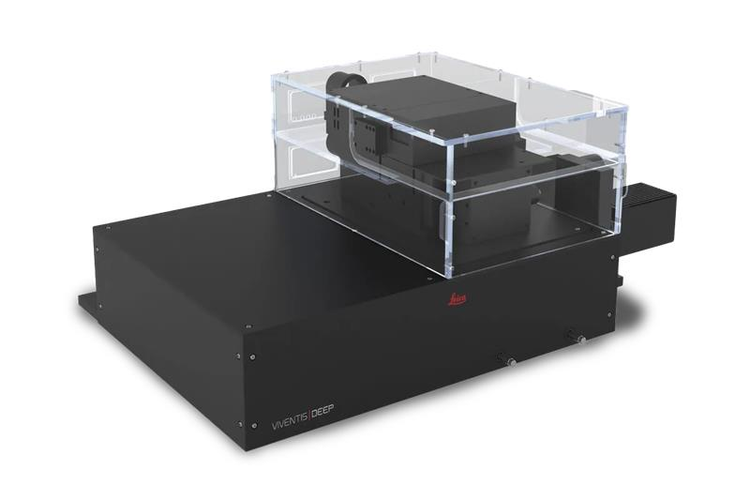
Leica Microsystems Viventis Deep
Leica Microsystems' Viventis Deep combines multi-view and multi-position light-sheet imaging to increase spatio-temporal resolution of your complex biological systems at the cellular level. Its open-top configuration and multi-position capabilities enable efficient, parallel data collection across diverse conditions.
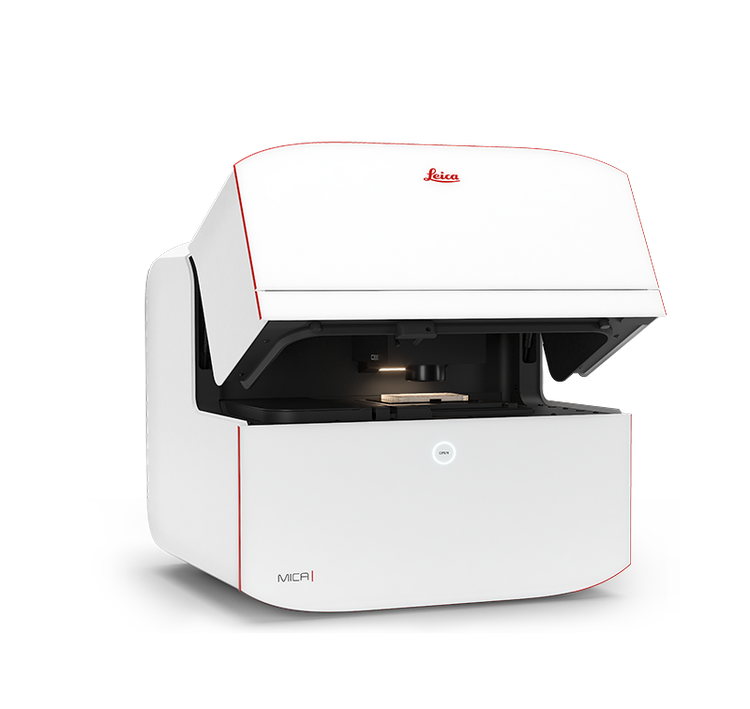
Leica Microsystems Mica
Leica Microsystems' Mica is a purpose-built microhub that makes microscopy accessible to more scientists, enabling easier live cell imaging under physiological-like conditions. By eliminating over 85% of setup steps needed to get to the first image and automating imaging settings, Mica empowers users to quickly generate higher-quality, accurate results with confidence and minimal technical input. This results in 33% less time to the first image and 4x more data with 100% correlation.
We see a way to train users 50% faster to image organoids and 3D cultures.
Leica Microsystems
Mica - The world's first Microhub
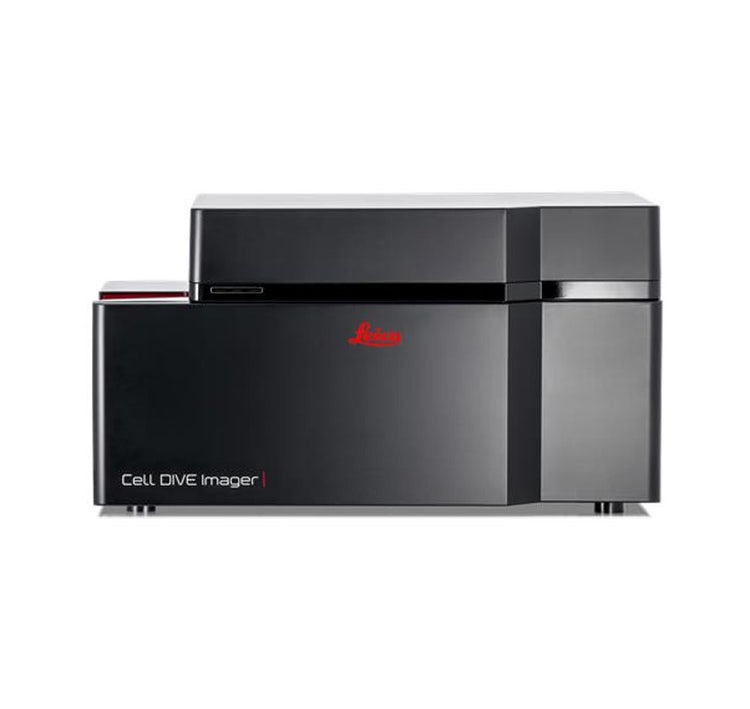
Leica Microsystems Cell DIVE Multiplex Imaging Solution
Leica Microsystems' Cell DIVE Multiplex Imaging Solution is a precise, open multiplexing solution that helps researchers deepen their understanding of the tissue microenvironment by offering outstanding spatial mapping of single cells within context. Unveil whole tissue imaging down to the single cell level, automatically calibrated and corrected to enable quality analysis downstream.
What impact does data analysis have on translational research using human-relevant models?
Imaging assays used in drug discovery and development have become increasingly complex. As organoid research continues to evolve, implementing robust analytical tools is becoming imperative for streamlining the application of 3D culture testing. AI-driven analysis methods have the potential to deliver high-quality results in an automated and unbiased manner, yielding biological insights not accessible via manual methods.
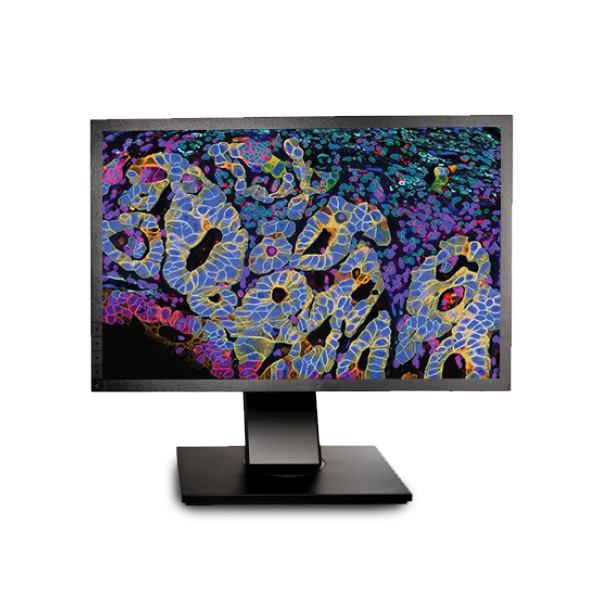
Removing subjectivity and increasing reproducibility
Integrating Leica Microsystems' Aivia Al Image Analysis Software can overcome subjectivity and poor reproducibility during image analysis. Aivia is a uniquely innovative and complete 2-to-5D image visualization, analysis and interpretation platform designed for the reliable processing and reconstruction of highly complex images.
Aivia Al Image Analysis Software Key Benefits:
- Get to insights faster with a 69% speedup in 3D analysis pipelines
- Over 45 microscopy file formats supported
- Easy to use machine learning segmentation and classification tools
We see a way to reduce time from raw image to fully analyzed data by up to 74%.
Leica MicrosystemsAivia AI Image Analysis Software
Automating data capture and analysis
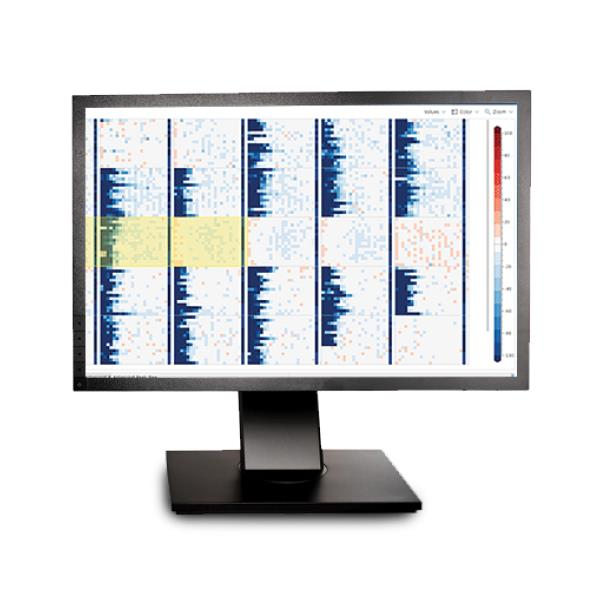
Genedata Screener automates data capture and analysis needed for functional characterization of 3D organoid systems. It ensures that data is analyzed the right way and the same way, every time. The software also incorporates Al to enable entirely automated, unbiased analyses of organoid images collected across assays for faster decision-making.
Genedata Screener Key Benefits:
- 360° view of organoid data in minutes
- Automate and standardize assay analysis
- Speed up decision-making
We See a Way to increase assay sensitivity by 50% using AI-based phenotypic classification.
Genedata
Genedata Screener
The life sciences companies of Danaher provide integrated solutions for human-relevant models and spatial profiling, addressing the need for more predictive models in drug discovery. Contact an expert today to learn how we enhance data accuracy, optimize drug response insights and drive the next generation of precision medicine.