Small Molecule Inhibitors

Introduction to Small molecule Inhibitors
At the core of modern drug discovery and development, small molecule inhibitors are designed to enter cells and interact with target proteins, enzymes or pathways to interfere with disease-associated processes. Their small size and low molecular weight make them one of the most versatile and widely used modalities in research and medicine. While they can be used to unravel the roles of proteins and signaling pathways in disease research, they are equally indispensable for translational research, where they support target identification, validation and clinical trial design.1
Small molecule inhibitors can abrogate dysregulated signaling, kinase mutations and aberrant protein-protein interactions, making them attractive tools in precision oncology. When designed and modified against well-studied biomarkers, they can help shift treatment paradigms from broad cytotoxic approaches to targeted therapies with reduced adverse effects.1
Key Takeaways
- Small molecule inhibitors are low-molecular-weight (generally under 500 Da) compounds that block or reduce the activity of proteins such as kinases, proteases and epigenetic enzymes to interrupt disease-driving pathways.
- Unlike biologics, many small molecule inhibitors can cross cell membranes and act on intracellular targets and many can be formulated for oral administration.
- They work through distinct binding modes, including competitive, non-competitive, uncompetitive and irreversible inhibition, each suited to different research and drug-design goals.
- In cancer research, they can selectively dampen hyperactivated pathways such as MAPK/ERK, PI3K/AKT/mTOR and JAK/STAT, supporting biomarker-guided and targeted therapeutic strategies.
- Choosing the right inhibitor depends on its chemistry, potency (commonly measured by IC50 or Ki), selectivity and the biological context in which it will be used.
What Are Small Molecule Inhibitors?
Small molecule inhibitors are low-molecular-weight chemical compounds designed to reduce or block the activity of specific biological targets, typically proteins such as enzymes, receptors or signaling mediators.1
- In research, they are widely used to probe pathway function by transiently and reversibly modulating protein activity1
- The insight gained from research can be leveraged to interfere with disease-driving molecular mechanisms1
The physicochemical profile is a distinguishing feature of small molecule inhibitors. Their size range is mostly below 500 Da, which supports diffusion into tissues and across cell membranes. Furthermore, their chemical structures can be optimized for solubility, metabolic stability and target selectivity without compromising their ability to access target binding sites.2
Compared with biologics, such as antibodies or recombinant proteins, small molecule inhibitors are chemically synthesized, typically more stable, easier to reproduce and less costly. Biologics have molecular weights up to 150,000 Da, which makes diffusion across cell membranes challenging. Therefore, they usually act on cell-surface receptors or circulating proteins. In contrast, small molecules readily interact with intracellular proteins. They are well-suited for studying enzyme-driven pathways, kinase signaling networks and other intracellular processes central to cancer and to the biology of complex diseases.3
Small Molecule Inhibitors vs. Biologics: Pharmacokinetics
Beyond size and target accessibility, small molecule inhibitors and biologics behave differently once inside the body. Small molecule inhibitors are typically absorbed, distributed, metabolized and eliminated through well-characterized pharmacokinetic pathways, often involving hepatic metabolism. Many can be formulated for oral administration and optimized for specific exposure and tissue distribution profiles.
Biologics are typically administered by injection and are degraded through protein catabolism rather than traditional drug-metabolizing enzymes. They may also elicit anti-drug immune responses, a consideration that generally does not apply to small molecule inhibitors. These differences can influence which therapeutic modality is best suited for a particular target or disease context.
Biological Targets of Small molecule Inhibitors
Small molecule inhibitors are designed to engage various molecular targets that drive cellular function and disease.
Enzymes contain active sites to which small-molecule inhibitors bind. Examples include:
- Kinases regulating phosphorylation and signal transduction4
- Proteases that regulate protein turnover and processing5
- Epigenetic regulators that modify gene expression without changing DNA sequence6
Small molecules can also bind receptors, such as EGFR, GPCRs and ion channels, as well as signal transduction mediators, such as adaptor proteins. This binding amplifies or diminishes target activity, ultimately reshaping the outputs of relevant pathways.7
Advances in structural and computational biology have enabled the development of inhibitors that can disrupt or stabilize protein-protein interactions, thereby regulating aberrant signaling and restoring functional apoptosis. High binding affinity ensures effective target engagement at lower concentrations, while selectivity reduces off-target effects and toxicity. The ease of tuning makes them attractive for targeting kinases that harbor multiple structurally similar active sites.1
Kinase Inhibitors: A Closer Look
Kinases are the most extensively drugged small molecule inhibitor target class, regulating phosphorylation-based signal transduction across pathways implicated in cancer, autoimmune disease and other disorders. Kinase inhibitors typically act either by competing with ATP at the catalytic site or by binding adjacent allosteric pockets that modulate enzyme activity. Many targeted cancer therapies, including inhibitors of BCR-ABL, EGFR, BRAF and JAK signaling, belong to this class, reflecting the central role kinases play in regulating disease-associated signaling pathways.
Mechanism of Small Molecule Inhibitors
Small molecule inhibitors bind specific molecular targets, reducing or blocking their biological activity, ultimately reshaping cellular signaling and function. Their effects depend on where and how they interact with the target protein within a pathway.
Inhibitors may bind directly to an active (orthosteric) site, such as the catalytic pocket of an enzyme, preventing substrate binding or catalysis.15 Others may bind to allosteric sites, inducing conformational changes that reduce protein activity without competing with the natural substrate.16 They collectively serve the following purposes:1
- Stabilizing inactive protein states
- Preventing structural transitions
- Interfering with protein localization
- Preventing complex formation
Inhibition at the molecular level disrupts signaling cascades that regulate gene expression, cell cycle progression, metabolism and survival. In disease contexts, particularly in cancer, this may suppress proliferation, induce apoptosis or restore regulatory control over aberrant pathways.1
Due to the interconnected nature of cellular pathways, inhibition at a target may have system-wide consequences. Therefore, the primary goal of inhibitors is to modulate disease-driving pathways without disrupting essential physiological processes.1
Types of inhibition
The mechanisms of small molecule inhibitors differ in the duration and location of binding.
The inhibitors listed above are often reversible, forming non-covalent interactions, such as hydrogen bonds, with their binding sites, allowing transient and tunable control. In contrast, irreversible inhibitors form chemical bonds with their target, leading to prolonged inhibition.18 The inhibition type influences the strength and duration of inhibition. These molecular effects translate into cellular outcomes such as altered proliferation, differentiation, apoptosis, metabolism or immune responses, depending on the biological context.1
Featured Product
Z-VAD(OH)-FMK, Irreversible general caspase inhibitor(AB120382)
Chosen because it is a pan-caspase inhibitor used experimentally to block apoptotic execution and study small-molecule modulation of cell death pathways, tying directly to this page's subject of small molecule inhibitors.

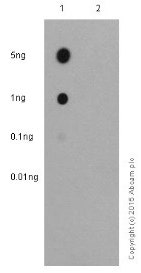
Anti-STAT3 (phospho Y705) antibody [EP2147Y](AB76315)
Chosen as a complementary second option because it is an antibody against phospho-Tyr705 STAT3, the activated downstream transcription factor in EGFR/cytokine signaling, also directly relevant to small molecule inhibitors.
Small Molecule Inhibitors for Cancer Research
Small molecule inhibitors are particularly attractive for cancer research, as druggable molecular abnormalities, including kinase mutations, altered metabolic enzymes and epigenetic dysregulation, drive many cancers. Oncogenic pathways often depend on binding to structurally defined pockets that small molecules can efficiently access inside cells.1
Targeted Oncology Pathways
Several of the most clinically relevant cancer pathways are commonly targeted with small molecule inhibitors:
- MAPK/ERK - frequently hyperactivated in tumors; small molecule inhibitors dampen proliferation and survival signaling along this pathway.
- PI3K/AKT/mTOR - a central growth and metabolism pathway targeted to reduce tumor cell survival and angiogenic signaling.
- JAK/STAT - implicated in cytokine-driven signaling; inhibition can reduce proliferative and immune-evasion signals.
- Cell-cycle regulators (e.g., CDKs) - inhibition slows or halts uncontrolled cell division.
Pathways such as MAPK/ERK, PI3K/AKT/mTOR, JAK/STAT and cell-cycle regulators (e.g., CDKs) are frequently hyperactivated in tumors. Small molecule inhibitors can selectively dampen these signals, reducing proliferation, survival signaling, angiogenesis or metastatic potential. Similarly, inhibitors of epigenetic enzymes modulate aberrant transcriptional regulation. By matching inhibitors to genetic or molecular alterations, researchers can shift from systemic cytotoxic chemotherapy toward targeted strategies guided by biomarkers.1
Small molecule inhibitors are indispensable for translational research, bridging molecular insights and clinical applications. They are used in cell lines, organoids and animal models to validate targets, investigate resistance mechanisms and explore drug combinations for optimal efficacy.19
Small Molecule Inhibitors Examples in Research and Therapeutic Development
Several small molecules have been developed to inhibit a variety of molecular aberrancies in cancer.
In addition to therapeutic intervention, inhibitors are frequently used in disease research to elucidate pathway mechanisms.19
- In cell signaling, kinase inhibitors reveal pathway dynamics, feedback loops and pathway crosstalk
- Inhibitors targeting glycolytic enzymes are used to examine metabolic rewiring in cancer and immune cells
- Epigenetic inhibitors are widely used to explore chromatin accessibility, transcriptional plasticity and lineage commitment in malignant cells
Small molecules also guide assay development for biomarker discovery, target validation and dose-response relationships.19
Role of Small molecule Inhibitors in Drug Discovery
Small molecule inhibitors play a central role throughout the drug discovery pipeline. They function as chemical probes to test the biological relevance of biomarkers and target proteins. Researchers can employ cell, animal and organoid models to compare small molecule inhibition with genetic knockdown or knockout approaches to determine the root causes of disease mechanisms. Using structural and computational chemistry, these molecules can be optimized for binding affinity, stability, solubility and safety. 27
Small molecules constitute the majority of compound libraries used in high-throughput screening and phenotypic assays. These libraries accelerate the identification of drug candidates, their phenotypic effects and mechanisms of action. The ease of refinement and optimization enables the advancement of small molecule candidates from bench to clinical development, thereby informing patient-centric therapeutic strategies.27
Advantages of Small molecule Inhibitors
Small molecule inhibitors remain among the most established and adaptable therapeutic modalities due to several practical and biological strengths.1
Therapeutic Development
- Their low molecular weight and tunable chemical properties can facilitate cellular membrane penetration, making many small molecule inhibitors effective for targeting intracellular proteins.
- They can be formulated for oral administration, which simplifies dosing flexibility and long-term disease management compared with injectable therapies
- Chemical synthesis used for small molecule design is generally scalable, reproducible and cost-effective relative to complex biologics
- Their structures can be systematically modified to refine potency, selectivity, solubility, metabolic stability and tissue distribution
Research Applications
- For researchers, small-molecule inhibitors can be applied directly to cell populations without relying on transfection efficiency, unlike RNAi-based knockdown approaches.
- They can be titrated across a concentration range to reveal a dose-response spectrum of phenotypes, from mild perturbation to near-complete inhibition
- Because inhibition is often rapid and reversible, many small molecule inhibitors allow precise temporal control, enabling experiments that help determine when a target acts during processes such as cell-cycle progression.
- For kinases and other proteins with important structural or scaffolding roles, inhibition can, in some cases, leave the protein in place while blocking catalytic activity, allowing researchers to distinguish enzymatic function from structural function.
Nevertheless, challenges related to off-target effects, limited selectivity and drug resistance persist. Researchers can develop a few strategies to overcome these setbacks. A few examples include:
- Conjugation and drug delivery technologies to enhance tissue targeting and controlled drug release28
- Designing dualsteric inhibitors containing both orthosteric and allosteric binding epitopes for the optimum combination of potency and selectivity (29)
- Computational and structure-based drug design to identify novel binding pockets30
- AI/ML models for iterative drug design and optimization31
Choosing the Right Small Molecule Inhibitor for Your Research
Selecting an inhibitor generally comes down to four factors: chemistry (a well-defined, reproducible structure with properties appropriate for the intended application), potency (commonly expressed as IC50 or Ki), selectivity (profiling against related target-family members to confirm the inhibitor is not acting broadly) and biological context (mechanism of action, expected target engagement and whether the effect needs to be reversible or sustained).
See how Danaher Life Sciences can help
FAQ's
What is the difference between monoclonal antibodies and small molecule inhibitors?
Monoclonal antibodies are large protein-based therapeutics that typically target extracellular or cell-surface molecules and are injectable. Small molecule inhibitors are low–molecular–weight chemicals that enter cells, act on intracellular targets. Antibodies are particular but typically injectable; small molecules are often orally available and chemically synthesized.
How do small molecule inhibitors work?
They bind to specific proteins, often enzymes or signaling mediators and reduce their activity by blocking active sites, altering conformation or preventing interactions, thereby modulating disease-relevant pathways.
Why are small molecule inhibitors important in cancer research?
Cancer frequently depends on dysregulated kinases, epigenetic enzymes and signaling proteins that small molecules can selectively inhibit, supporting targeted, precision-medicine approaches.
What criteria should researchers use to select a small molecule inhibitor?
Researchers should consider chemistry, potency, selectivity and biological context. The best inhibitor has a well-characterized structure, sufficient potency (often measured by IC50 or Ki), strong selectivity for its target and a mechanism that fits the experimental goal.
What research advantages do small molecule inhibitors offer over RNAi or genetic knockdown?
Small molecule inhibitors can be applied directly to cells, often act rapidly and reversibly and can be titrated to generate dose-response data. In some cases, they also allow researchers to block protein activity without removing the protein itself.
H3: How do small molecule inhibitors and biologics compare pharmacokinetically?H
Small molecule inhibitors are typically metabolized via well-characterized pharmacokinetic pathways and many can be administered orally. Biologics are usually injected, degraded through protein catabolism and may carry a risk of anti-drug immune responses.
References
- Liu GH, Chen T, Zhang X, Ma XL, Shi HS. Small molecule inhibitors targeting the cancers. MedComm 2022;3(4):e181.
- Roskoski Jr R. Properties of FDA-approved small molecule protein kinase inhibitors: A 2021 update. Pharmacol Res 2021;165:105463.
- Quraee HMA, Alharthi AY, Alenazi FFA, Alzahrani MMS, Alolaiwi AM, Marwani AMH, et al. Biologics vs. Small Molecule Drugs: Comparing Efficacy and Safety. J Int Crisis Risk Commun Res 2024;7(S11):355.
- Ayala-Aguilera CC, Valero T, Lorente-Macias A, Baillache DJ, Croke S, Unciti-Broceta A. Small molecule kinase inhibitor drugs (1995–2021): medical indication, pharmacology, and synthesis. J Med Chem 2021;65(2):1047-1131.
- Silvestrini L, Belhaj N, Comez L, Gerelli Y, Lauria A, Libera V, et al. The dimer-monomer equilibrium of SARS-CoV-2 main protease is affected by small molecule inhibitors. Sci Rep 2021;11(1):9283.
- Zhang Y, Rong D, Li B, Wang Y. Targeting epigenetic regulators with covalent small molecule inhibitors. J Med Chem 2021;64(12):7900-7925.
- Wang J, Li D, Zhao B, Kim J, Sui G, Shi J. Small molecule compounds of natural origin target cellular receptors to inhibit cancer development and progression. Int J Mol Sci 2022;23(5):2672.
- Rehan Ahmad S, Zeyaullah M, AlShahrani AM, Mohieldin A, Alam MS, Altijani AA. Structure‐Based Identification and Molecular Characterization of CID‐2135609 as a Potent Small Molecule Modulator of HIV‐1 Protease. J Cell Biochem 2025;126(8):e70058.
- Daśko M, de Pascual-Teresa B, Ortín I, Ramos A. HDAC inhibitors: innovative strategies for their design and applications. Molecules 2022;27(3):715.
- Komatsu H. Innovative therapeutic approaches for Huntington’s disease: From nucleic acids to GPCR-targeting small molecules. Front Cell Neurosci 2021;15:785703.
- Foo J, Gentile F, Massah S, Morin H, Singh K, Lee J, et al. Characterization of novel small molecule inhibitors of estrogen receptor-activation function 2 (ER-AF2). Breast Cancer Res 2024;26(1):168.
- Harris BJ, Nguyen PT, Zhou G, Wulff H, DiMaio F, Yarov-Yarovoy V. Toward high-resolution modeling of small molecule–ion channel interactions. Front Pharmacol 2024;15:1411428.
- Lucero B, Francisco KR, Liu LJ, Caffrey CR, Ballatore C. Protein–protein interactions: developing small molecule inhibitors/stabilizers through covalent strategies. Trends Pharmacol Sci 2023;44(7):474-488.
- Zhu H, Gao H, Ji Y, Zhou Q, Du Z, Tian L, et al. Targeting p53–MDM2 interaction by small molecule inhibitors: learning from MDM2 inhibitors in clinical trials. J Hematol Oncol 2022;15(1):91.
- Li M, Rehman AU, Liu Y, Chen K, Lu S. Dual roles of ATP-binding site in protein kinases: Orthosteric inhibition and allosteric regulation. Adv Protein Chem Struct Biol 2021;124:87-119.
- Chatzigoulas A, Cournia Z. Rational design of allosteric modulators: Challenges and successes. Wiley Interdiscip Rev Comput Mol Sci 2021;11(6):e1529.
- Srinivasan B. A guide to enzyme kinetics in early drug discovery. The FEBS Journal 2023;290(9):2292-2305.
- Singh K, Bhushan B, Mittal N, Kushwaha A, Raikwar CK, Sharma AK, et al. Recent advances in enzyme inhibition: A pharmacological review. Curr Enzyme Inhib 2024;20(1):2-19.
- Bhattacharya S. Small Molecule Inhibitors. Spatially Variable Genes in Cancer: Development, Progression, and Treatment Response: Development, Progression, and Treatment Response 2024;447.
- Kawczak P, Bączek T. Pathway-Specific Therapeutic Modulation of Melanoma: Small molecule Inhibition of BRAF–MEK and KIT Signaling in Contemporary Precision Oncology with a Special Focus on Vemurafenib, Trametinib, and Imatinib. J Clin Med 2025;14(22):7906.
- Schmitz AE, Udgata S, Johnson KA, Deming DA. The Precision-Guided Use of PI3K Pathway Inhibitors for the Treatment of Solid Malignancies. Biomedicines 2025;13(6):1319.
- Cicenas J, Simkus J. CDK inhibitors and FDA: approved and orphan. MDPI; 2024:1555.
- Vairy S, Michaiel G. Small molecule Drugs in Pediatric Neuro-Oncology. Curr Oncol 2025;32(8):417.
- Moon S, Muniyappan S, Lee S-B, Lee B-H. Small molecule inhibitors targeting proteasome-associated deubiquitinases. Int J Mol Sci 2021;22(12):6213.
- Zuo X, Zhao H, Li D. Systematic inhibitor selectivity between PARP1 and PARP2 enzymes: Molecular implications for ovarian cancer personalized therapy. J Mol Recognit 2021;34(7):e2891.
- de Lima JA, Lima LM. State of the Art of IDH Inhibitors: Emerging Questions and Perspectives. Anticancer Agents Med Chem 2025.
- Southey MW, Brunavs M. Introduction to small molecule drug discovery and preclinical development. Front Drug Discov 2023;3:1314077.
- Patel TK, Adhikari N, Amin SA, Biswas S, Jha T, Ghosh B. Small molecule drug conjugates (SMDCs): an emerging strategy for anticancer drug design and discovery. New J Chem 2021;45(12):5291-5321.
- Zha J, He J, Wu C, Zhang M, Liu X, Zhang J. Designing drugs and chemical probes with the dualsteric approach. Chem Soc Rev 2023;52(24):8651-8677.
- Sadybekov AV, Katritch V. Computational approaches streamlining drug discovery. Nature 2023;616(7958):673-685.
- Duo L, Liu Y, Ren J, Tang B, Hirst JD. Artificial intelligence for small molecule anticancer drug discovery. Expert Opin Drug Discov 2024;19(8):933-948.