Cell Fractionation: Principles, Techniques and Protocol
Key Takeaways
- Cell fractionation is a fundamental technique used to separate and study cellular components such as organelles while preserving their structure and function
- Multiple techniques, including differential centrifugation, density gradient centrifugation, ultracentrifugation and immunoaffinity-based methods, allow separation at different levels of resolution and specificity
- A typical fractionation protocol involves cell disruption, clarification, stepwise centrifugation and validation using organelle-specific markers to ensure purity and accuracy
- Cell fractionation is widely used in drug discovery to study organelle-specific drug effects, assess toxicity and support target validation in early-stage development
What is Cell Fractionation?
Cell fractionation is a laboratory technique used to separate a cell's components while preserving their individual structure and function. It allows researchers to isolate specific organelles, such as nuclei, mitochondria, lysosomes and membranes, for independent study.1
The terms cell fractionation and cellular fractionation are often used interchangeably, referring to the same overall process of breaking open cells and separating their internal components based on physical and biochemical properties such as size, density and solubility.1
The main purpose of cell fractionation is to enable targeted biochemical and molecular analysis of organelles. By isolating these structures, scientists can investigate their composition, enzymatic activity, protein content and role in cellular processes without interference from other cellular components. This makes it a foundational technique in cell biology, biochemistry and molecular research. 1,2
Principles of Cell Fractionation
Cell fractionation is based on differences in the physical and biochemical properties of cellular components, which enable separation in a controlled, stepwise manner. Because organelles vary in size, density, shape and mass, they respond differently when subjected to mechanical disruption and centrifugal force.1
- Size: Larger and heavier structures, such as nuclei, sediment more rapidly than smaller organelles during centrifugation
- Density: Organelles migrate to positions in a medium that match their buoyant density
- Shape: Shape influences how an organelle moves through a medium, affecting its hydrodynamic behavior and sedimentation efficiency
These criteria determine the sedimentation rate under centrifugal force. Furthermore, in density gradient approaches, cellular components are separated based on their equilibrium positions within a gradient medium, thereby improving the separation of organelles that may be similar in size but differ in density.3
Organelle Isolation Using Cell Fractionation
Organelle isolation, the primary goal of cell fractionation, is the process of separating specific subcellular structures, such as nuclei, mitochondria, endoplasmic reticulum, Golgi apparatus, lysosomes and peroxisomes, from the rest of the cellular contents while preserving their structural integrity and biological activity. This allows each organelle to be studied independently in downstream biochemical, structural and functional analyses.4
Cell fractionation workflows typically begin with gentle cell disruption (homogenization), which breaks open the plasma membrane while minimizing damage to internal structures. The resulting mixture, known as a homogenate, contains intact organelles suspended in cytosol and cellular debris. Through subsequent centrifugation steps, organelles are progressively separated based on differences in size and density. Larger and denser components pellet first, while smaller or less dense organelles remain in the supernatant and are isolated in later stages or refined using density gradient techniques.5
Through this stepwise separation, cell fractionation provides a systematic approach for enriching and purifying specific organelles from complex cellular mixtures.
Types of Cell Fractionation Techniques
Cell fractionation can be performed using several complementary techniques, each designed to separate cellular components with different levels of resolution and specificity. The choice of method depends on the type of organelles being studied and the required purity of the final preparation.
Differential Centrifugation
Differential centrifugation is the most commonly used cell fractionation technique. It relies on repeated centrifugation steps at increasing speeds to separate cellular components based primarily on size and mass. Larger and denser structures sediment first, followed by progressively smaller components.6
A typical sequential separation yields fractions enriched in nucleus → mitochondria → lysosomes → microsomes → cytosol. 6
Although differential centrifugation is widely used, because of its simplicity and scalability, it poses limitations, including relatively low purity and overlap between fractions, as organelles with similar sedimentation properties may co-pellet.6
Density Gradient Centrifugation
Density gradient centrifugation separates organelles based on their buoyant density rather than size alone. In this method, samples are layered onto a gradient medium, typically sucrose or Percoll and centrifuged.7
During centrifugation, organelles migrate to positions in the gradient that match their density, forming distinct bands. This results in significantly higher purity compared to differential centrifugation, making it especially useful for detailed biochemical and structural studies.7
Ultracentrifugation
Ultracentrifugation involves extremely high-speed centrifugation and is used to separate very small cellular components such as ribosomes and vesicles, as well as viruses. By generating very strong centrifugal forces, it allows the resolution of particles that cannot be effectively separated using standard centrifugation methods. This technique is widely used in advanced molecular biology and structural biology research, particularly when studying macromolecular complexes and sub-organelle structures.8
Featured Product
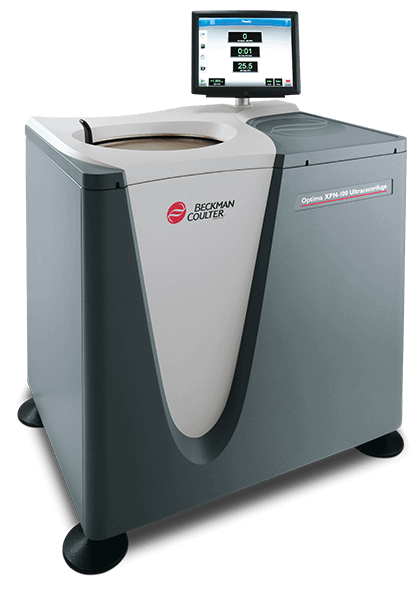
Optima™ XPN Ultracentrifuge
Chosen because it is a high-performance ultracentrifuge used for density-gradient purification of viral particles, vesicles and macromolecular complexes, tying directly to this page's subject of cell fractionation.
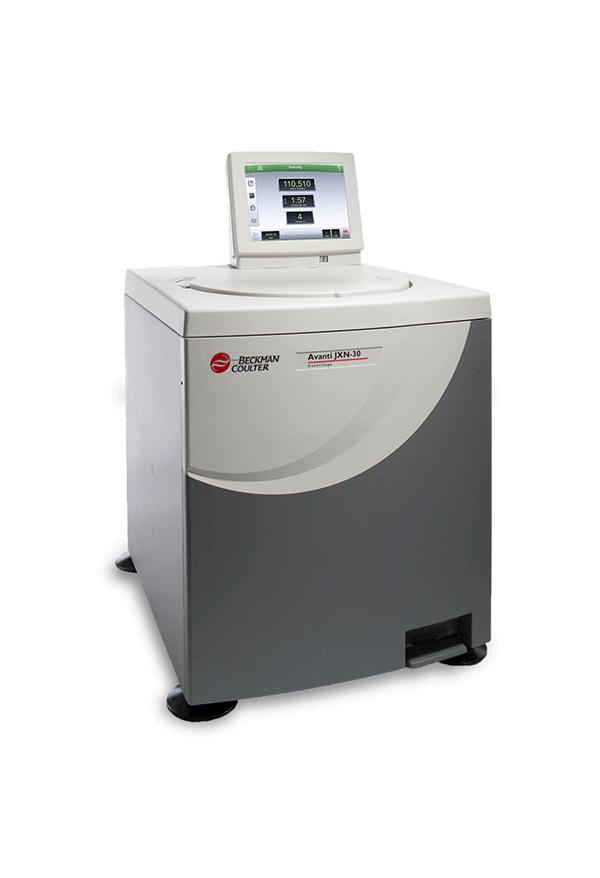
Avanti® JXN-30 Series
Chosen as a complementary second option because it is a high-capacity refrigerated centrifuge used for large-scale cell/organelle pelleting ahead of fractionation, also directly relevant to cell fractionation.
Immunoaffinity-Based Fractionation
Immunoaffinity-based fractionation uses antibodies that specifically bind to proteins on the surface of target organelles. These antibodies are often attached to magnetic beads or other solid supports, allowing selective capture and isolation of specific organelles from complex mixtures. This method provides very high specificity and is especially useful for targeted studies where purity and selectivity are critical, such as proteomic or signaling pathway analysis.9
See how Danaher Life Sciences can help
Step-by-Step Cell Fractionation Protocol
Cell fractionation is typically performed as a sequential workflow optimized to reduce cross-contamination and improve the quality of isolated fractions.
Step 1: Cell Disruption
The first step is to break open the cells to release internal organelles while minimizing damage.4
- Mechanical methods include homogenization and sonication, which physically disrupt the plasma membrane using shear forces or ultrasonic energy
- Chemical methods involve using detergents and specialized buffers to permeabilize membranes while maintaining organelle integrity
Ultimately, the choice of the method depends on the cell type and the sensitivity of the organelles being studied.
Step 2: Filtration and Initial Separation
After disruption, the resulting homogenate contains intact organelles, membrane fragments and cellular debris. This mixture is typically filtered or subjected to low-speed centrifugation to remove unbroken cells and large debris. This step helps standardize the sample and improves the efficiency and resolution of subsequent fractionation stages.10
Step 3: Centrifugation Steps
Differential centrifugation is then used to separate organelles in a stepwise manner based on sedimentation rate: 6
- Low-speed centrifugation pellets nuclei and unbroken cells due to their large size and high density
- Medium-speed centrifugation sediments mitochondria and lysosomes
- High-speed centrifugation collects smaller components, such as microsomes, i.e., vesicle fragments of the endoplasmic reticulum (ER) and Golgi
- The final supernatant contains cytosolic proteins and soluble molecules
Step 4: Fraction Collection and Validation
Once separation is complete, each fraction is carefully collected for downstream analysis and verification. 4
- Marker proteins are used to confirm the identity of each organelle fraction, such as cytochrome c for mitochondria and histones for nuclei
- Enzyme assays assess the functional integrity and purity of isolated organelles by measuring organelle-specific enzymatic activity
Validation ensures that fractions are free of contamination and suitable for downstream studies.
Key Benefits of Cell Fractionation
Cell fractionation is widely used in cell biology and biomedical research because it provides a practical way to isolate and study specific cellular components in a controlled manner. This significantly improves the quality and interpretability of downstream experiments.
By separating organelles into enriched fractions, cell fractionation reduces background interference from other cellular components. This improves the accuracy of downstream applications such as Western blotting, proteomics, enzyme assays and imaging-based studies, where sample purity is critical for the accurate interpretation of readouts.11-13
Cell fractionation supports drug discovery by allowing researchers to study drug–target interactions at the organelle level. For example, compounds can be tested for their effects on mitochondria, lysosomes or membranes in isolation, helping to clarify mechanisms of action and identify potential off-target effects earlier in the development process. 14
Another key advantage of cell fractionation is its adaptation for automation and parallel processing, making it suitable for high-throughput screening applications and large-scale pharmacological studies.15
Alongside drug discovery, cell fractionation provides a powerful tool for investigating disease mechanisms, as mitochondrial disorders, lysosomal storage diseases or neurodegenerative conditions are associated with organelle dysfunction. Isolating specific organelles enables researchers to identify functional defects, altered protein expression and biochemical imbalances associated with disease progression.16
Cell Fractionation Kits and Standardized Workflows
Cell fractionation can be performed using either traditional manual protocols or commercially available kits designed to standardize and simplify the workflow. These kits provide pre-optimized reagents and step-by-step instructions for isolating specific cellular components with greater consistency.17
A cell fractionation kit typically contains buffers, reagents and protocols for isolating cellular fractions or organelles. These kits are designed for specific targets such as nuclei, mitochondria or cytosolic proteins and are optimized to reduce variability between experiments. They streamline the fractionation process by minimizing the need for in-house buffer preparation and protocol optimization.17
One of the major advantages of using standardized kits is improved reproducibility. Because reagents and conditions are pre-validated, results are more consistent across different users, experiments and laboratories. 17
Kits also significantly reduce preparation time. Researchers can bypass extensive optimization steps and move directly into experimental analysis, making them particularly useful in fast-paced research environments or when handling multiple samples in parallel. From this perspective, cell fractionation kits are ideal when high reproducibility, time and workflow efficiency are priorities and users have limited experience with optimization.18
Nevertheless, manual methods remain preferred for highly specialized organelle isolation, which requires flexible, customized protocols, especially when working with unique cell types that may not be suitable for fractionation kits. Using a hybrid approach, with kits for routine work and manual protocols for exploratory or specialized applications, is ideal for many laboratories.
Applications of Cell Fractionation
Cell fractionation is a foundational technique in modern life sciences, with wide-ranging applications across biomedical research, pharmaceutical development and diagnostic innovation.
Drug Discovery and Development
Cell fractionation plays an important role in drug discovery by allowing researchers to evaluate how compounds interact with specific organelles or cellular pathways. For example, drug effects on mitochondria can be studied independently to assess toxicity, while lysosomal fractions can be used to investigate compound degradation and accumulation. This organelle-level insight helps improve target validation and early safety profiling.19
Proteomics and Molecular Biology
In proteomics, fractionation improves the depth and accuracy of protein identification by reducing sample complexity. Isolated organelles can be analyzed using mass spectrometry to map protein composition, post-translational modifications and interaction networks. Cell fractionation also supports the study of DNA replication, transcription and translation within defined cellular compartments. 11
Disease Research
Many diseases are closely linked to organelle dysfunction, making fractionation a powerful tool for mechanistic studies. Mitochondrial defects in neurodegenerative diseases, lysosomal dysfunction in storage disorders and endoplasmic reticulum stress in metabolic disease can all be investigated more precisely using isolated fractions. 20-22
Diagnostic Research
Cell fractionation is instrumental in diagnostic development, as it helps identify organelle-specific biomarkers. Changes in protein expression or enzyme activity within specific fractions can serve as early indicators of disease states, including cancer, cardiovascular disorders and infectious diseases. These biomarkers can improve both sensitivity and specificity in diagnostic assays.23
Organelle-Specific Signaling Studies
Cell signaling pathways often originate or are regulated within distinct organelles. Fractionation allows researchers to study signaling events in a compartment-specific manner, such as calcium signaling in mitochondria or receptor trafficking in endosomes. This provides a clearer understanding of how spatial organization within the cell influences signaling dynamics and cellular responses.24,25
Common Challenges in Cell Fractionation26,27
- Cross-contamination between organelle fractions: Overlapping sedimentation properties can cause organelles to co-purify, reducing fraction purity
- Incomplete or inefficient cell lysis: Poor cell disruption can leave intact cells or trapped organelles, lowering overall yield and consistency
- Organelle damage due to harsh disruption: Excessive mechanical or chemical forces can rupture organelles, compromising their structural integrity and function
- Protein degradation during processing: Endogenous proteases may become active during preparation, leading to breakdown of target proteins if not properly inhibited
- Low yield or poor recovery of fractions: Suboptimal centrifugation conditions or handling losses can result in insufficient material for downstream analysis
- Variability across cell types: Suboptimal centrifugation conditions or handling losses can result in insufficient material for downstream analysis
Optimization Strategies for Cell Fractionation 26,27
- Optimize lysis method based on cell type: Different cells require tailored disruption methods (mechanical, chemical or enzymatic) to ensure efficient lysis without damaging organelles
- Adjust centrifugation speed and duration: Fine-tuning spin speed and time helps improve separation resolution and reduces overlap between organelle fractions
- Use density gradients for higher purity: Incorporating sucrose or Percoll gradients can significantly improve separation accuracy by resolving organelles based on buoyant density
- Maintain low temperatures to prevent degradation: Performing all steps at 4°C helps preserve organelle integrity and reduces enzymatic activity that could degrade proteins and membranes
- Add protease inhibitors to preserve proteins: Protease inhibitor cocktails help prevent protein breakdown during sample processing and improve downstream analysis quality
- Use standardized protocols or cell fractionation kits: Pre-optimized workflows reduce variability between experiments and improve reproducibility across users and laboratories
- Validate fractions using organelle-specific markers: Confirming purity with marker proteins or enzymatic assays ensures accurate identification of isolated organelles and reliable experimental results
See how Danaher Life Sciences can help
FAQ's
What is the purpose of cell fractionation?
The purpose of cell fractionation is to separate cellular components so that individual organelles can be studied independently for their structure, function and biochemical activity.
What causes cross-contamination in cell fractionation?
Cross-contamination occurs when organelles with similar size or density co-sediment during centrifugation or when fractions are not carefully separated and handled.
How does cell fractionation work?
Cell fractionation works by first breaking open cells and then using centrifugation to separate organelles based on size, density and sedimentation rate.
What is the difference between cell fractionation and centrifugation?
Cell fractionation is the overall process of separating cell components, while centrifugation is the key technique used to achieve that separation.
What are the two stages of cell fractionation?
The two main stages are cell disruption (lysis) and differential separation of organelles through centrifugation or density-based methods.
References
- Ren J, Luo S, Shi H, Wang X. Spatial omics advances for in situ RNA biology. Mol Cell 2024;84(19):3737-3757.
- Giordani S, Marassi V, Placci A, Zattoni A, Roda B, Reschiglian P. Field-flow fractionation in molecular biology and biotechnology. Molecules 2023;28(17):6201.
- Gomaa AE, El Mounadi K, Parperides E, Garcia-Ruiz H. Cell Fractionation and the Identification of Host Proteins Involved in Plant–Virus Interactions. Pathogens 2024;13(1):53.
- Senichkin VV, Prokhorova EA, Zhivotovsky B, Kopeina GS. Simple and efficient protocol for subcellular fractionation of normal and apoptotic cells. Cells 2021;10(4):852.
- Steiert C, Busto JV, Melchionda L, Wiedemann N. Subcellular fractionation by differential centrifugation for mitochondrial studies. Methods Enzymol: Elsevier; 2024:61-73.
- Gh MS, Norouzi F. Guidelines for an optimized differential centrifugation of cells. Biochem Biophys Rep 2023;36:101585.
- Anunciado-Koza RVP, Guntur AR, Vary CP, Gartner CA, Nowak M, Koza RA. Purification of functional mouse skeletal muscle mitochondria using percoll density gradient centrifugation. BMC Res Notes 2023;16(1):243.
- Marassi V, Maggio S, Battistelli M, Stocchi V, Zattoni A, Reschiglian P, et al. An ultracentrifugation–hollow-fiber flow field-flow fractionation orthogonal approach for the purification and mapping of extracellular vesicle subtypes. J Chromatogr A 2021;1638:461861.
- Mondal SK, Whiteside TL. Immunoaffinity-based isolation of melanoma cell-derived and T cell-derived exosomes from plasma of melanoma patients. Melanoma: Methods and Protocols: Springer; 2021:305-321.
- Zhang Q, Jeppesen DK, Higginbotham JN, Franklin JL, Coffey RJ. Comprehensive isolation of extracellular vesicles and nanoparticles. Nat Protoc 2023;18(5):1462-1487.
- Kandigian SE, Ethier EC, Kitchen RR, Lam TT, Arnold SE, Carlyle BC. Proteomic characterization of post-mortem human brain tissue following ultracentrifugation-based subcellular fractionation. Brain Commun 2022;4(3):fcac103.
- Sule R, Rivera G, Gomes AV. Western blotting (immunoblotting): history, theory, uses, protocol and problems. BioTechniques 2023;75(3):99-114.
- Udi Y, Zhang W, Stein ME, Ricardo-Lax I, Pasolli HA, Chait BT, et al. A general method for quantitative fractionation of mammalian cells. J Cell Biol 2023;222(6):e202209062.
- Golding TM, Garnie LF, Rabie T, Reader J, Birkholtz L-M, Wicht KJ, et al. Ferrocenyl Quinoline-Benzimidazole Hybrids: A Multistage Strategy to Combat Drug-Resistant Malaria. Inorg Chem 2025;64(31):16152-16167.
- Moon B-U, Clime L, Brassard D, Boutin A, Daoud J, Morton K, et al. An automated centrifugal microfluidic assay for whole blood fractionation and isolation of multiple cell populations using an aqueous two-phase system. Lab Chip 2021;21(21):4060-4070.
- Farouk IA, Batra J, Choo WS, Lal S. Influenza A virus nucleoprotein requires the human polyadenylate binding protein (PABPC1) for successful virus replication. Int J Infect Dis 2023;130:S101.
- Chen X, Song X, Li J, Zhang R, Yu C, Zhou Z, et al. Identification of HPCAL1 as a specific autophagy receptor involved in ferroptosis. Autophagy 2023;19(1):54-74.
- Lu Y, Pan Q, Gao W, Pu Y, He B. Reversal of cisplatin chemotherapy resistance by glutathione-resistant copper-based nanomedicine via cuproptosis. J Mater Chem B 2022;10(33):6296-6306.
- Luchinat E, Barbieri L, Davis B, Brough PA, Pennestri M, Banci L. Ligand-Based competition binding by Real-Time 19F NMR in human cells. J Med Chem 2024;67(2):1115-1126.
- Deshwal S, Onishi M, Tatsuta T, Bartsch T, Cors E, Ried K, et al. Mitochondria regulate intracellular coenzyme Q transport and ferroptotic resistance via STARD7. Nat Cell Biol 2023;25(2):246-257.
- Nyame K, Hims A, Aburous A, Laqtom NN, Dong W, Medoh UN, et al. Glycerophosphodiesters inhibit lysosomal phospholipid catabolism in Batten disease. Mol Cell 2024;84(7):1354-1364. e9.
- Child JR, Chen Q, Reid DW, Jagannathan S, Nicchitta CV. Recruitment of endoplasmic reticulum-targeted and cytosolic mRNAs into membrane-associated stress granules. RNA 2021;27(10):1241-1256.
- Carney RP, Mizenko RR, Bozkurt BT, Lowe N, Henson T, Arizzi A, et al. Harnessing extracellular vesicle heterogeneity for diagnostic and therapeutic applications. Nat Nanotechnol 2025;20(1):14-25.
- Novelli F, Yoshikawa Y, Vitto VAM, Modesti L, Minaai M, Pastorino S, et al. Germline BARD1 variants predispose to mesothelioma by impairing DNA repair and calcium signaling. PNAS 2024;121(29):e2405231121.
- Shmuel S, Panikar SS, Pereira PR. Endocytic modulation of somatostatin receptors to reverse tumor resistance to peptide receptor radionuclide therapy. SNMMI; 2023.
- Tadjiki S, Sharifi S, Lavasanifar A, Mahmoudi M. Advancing in situ analysis of biomolecular corona: opportunities and challenges in utilizing field-flow fractionation. ACS bio & med Chem Au 2024;4(2):77-85.
- Thomas SL, Thacker JB, Schug KA, Maráková K. Sample preparation and fractionation techniques for intact proteins for mass spectrometric analysis. J Sep Sci 2021;44(1):211-246.