Booth #1619
 Date and Time
January 25 - 29, 2025

You are making history, transforming the landscape of treatment with diverse and personalized biotherapeutics. At Danaher Corporation, we believe that innovation shapes our future. Our unique operating companies working in parallel to provide end-to-end solutions and services to provide key insights in support of your entire drug journey from discovery to commercialization.
We invite you to engage in insightful conversations with our subject matter experts about the latest imaging, automation, analytical technologies, and essential raw materials to enhance your understanding of therapy mechanisms.

At the Life Sciences companies of Danaher, we make cutting-edge R&D possible, accelerating innovation that helps people lead longer and healthier lives. We have a proud record of applying our scientific and operational expertise to help researchers understand diseases and infections, pioneer more effective treatments and develop more efficient workflows. Across the Life Sciences companies, we work collaboratively to drive advancements toward real-life impact.
We invite you to engage in insightful conversations with our subject matter experts about the latest imaging, automation, analytical technologies, and essential raw materials to enhance your understanding of therapy mechanisms.




We believe the scientific community goes further, faster when we go there together. That’s why we partner with life scientists around the world to create innovative research solutions for cancer, neurological disorders, infectious diseases and more.
Abcam
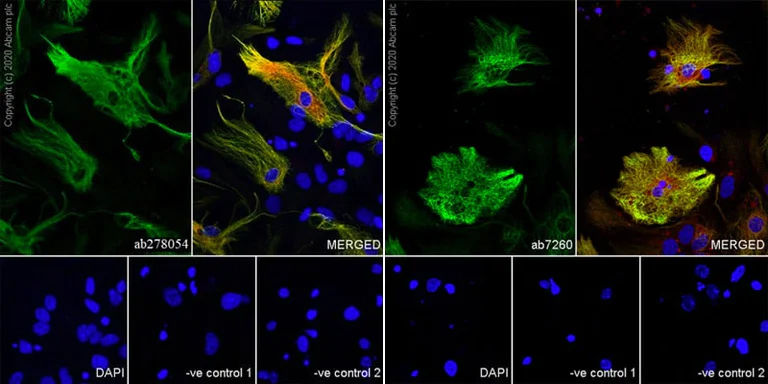
SimpleStep® ELISA Kits
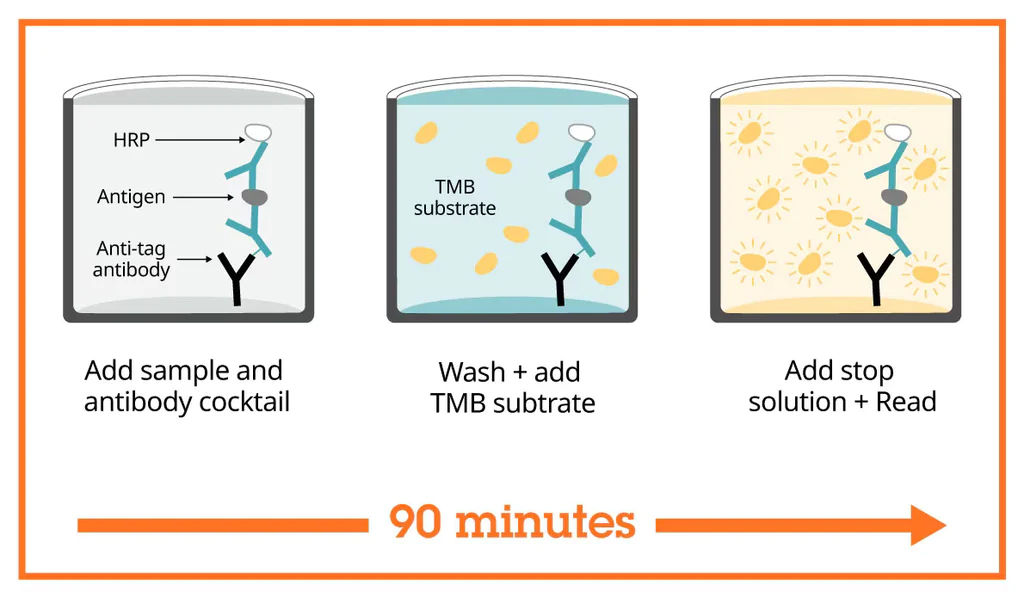
Whether you want to change formats or scale up, moving to the next stage is simple with our sensitive, flexible immunoassays. By combining recombinant antibody technology with a standardized protocol, our assays deliver optimal performance across platforms, people, and time. From the largest range of antibody pairs to 90-minute ELISA kits we’ll help you find the correct immunoassay solutions to move your research forward.
For more than 80 years, Beckman Coulter has been a trusted partner for laboratory professionals, helping to advance scientific research and patient care.
Beckman Coulter Life Sciences
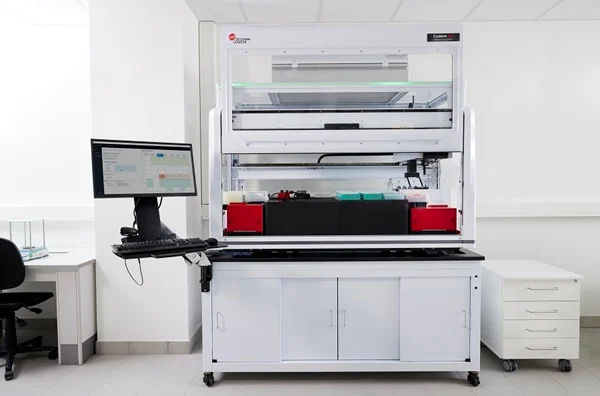
CYDEM VT - Automated Clone Screening System
The Cydem VT system provides the ability to screen a larger number of clones with the convenience of unattended operation for up to three days. By harnessing the power of automation, it fills a critical gap by delivering valuable insights. The system screens clones under conditions that closely mimic biomanufacturing production, while continuously gathering essential data on cell growth and productivity.
Genedata transforms data into intelligence with innovative software solutions incorporating extensive domain knowledge. Leading biopharmaceutical organizations rely on Genedata to digitalize and automate R&D processes. From discovery to clinic, Genedata solutions help maximize the ROI in R&D.
Genedata
Genedata Screener
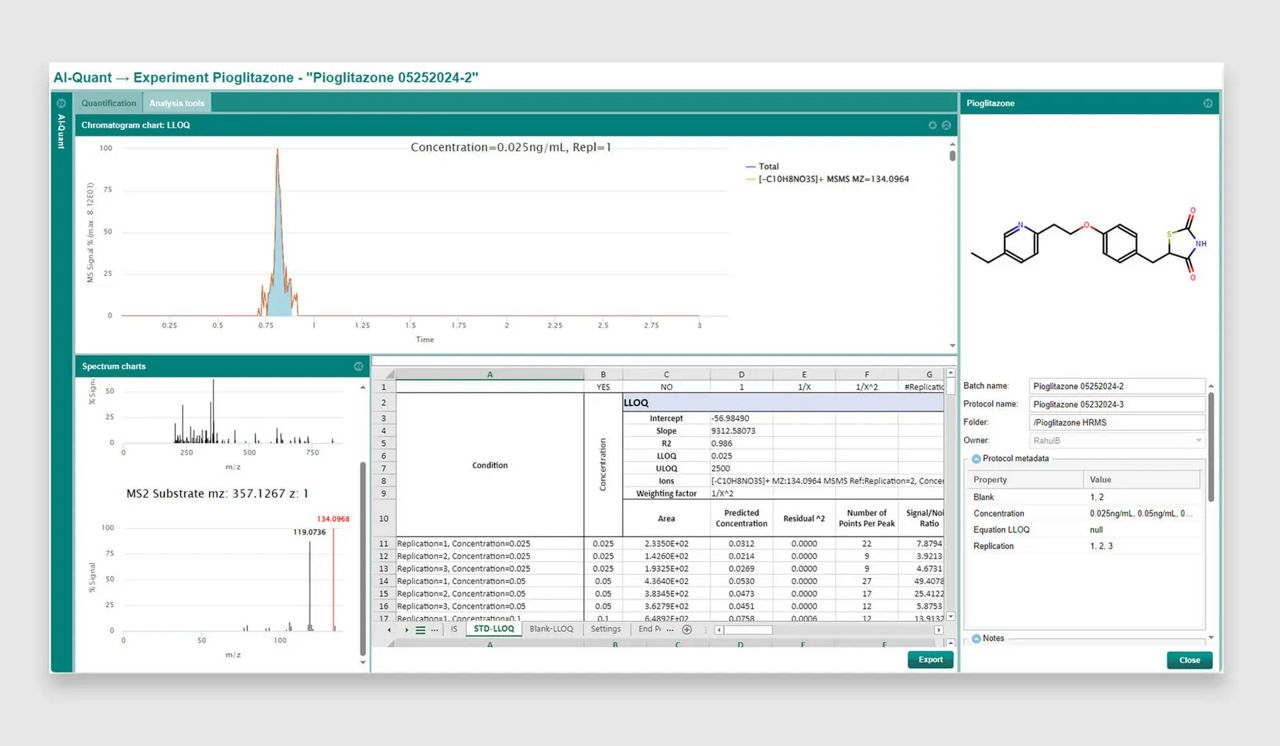
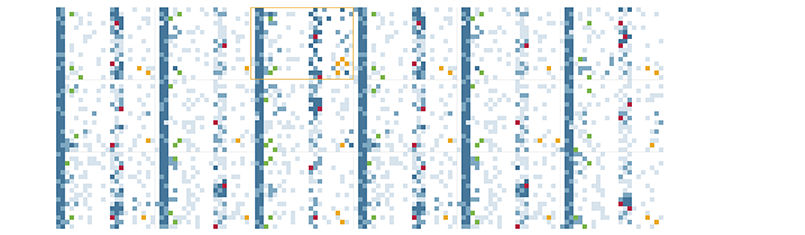
Genedata Screener® automates assay analysis, validates raw data and assay result quality, and consolidates assay information across the enterprise and external collaborators. By integrating and condensing complex experimental data, it powers project decisions and lays the foundation for more predictive, AI-driven, drug discovery and development.
Genedata
Genedata Expressionist
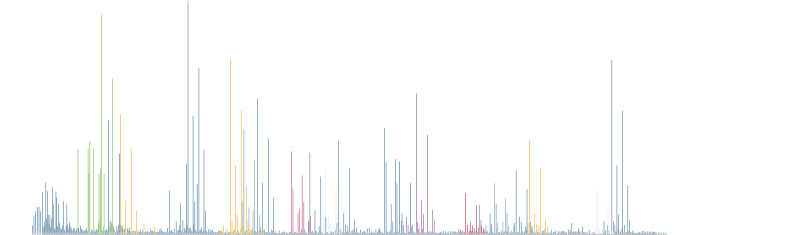
Genedata Expressionist® is part of the Genedata portfolio of advanced software solutions, which digitalize and automate data-rich and complex biopharma R&D processes. From early discovery all the way to the clinic, Genedata solutions maximize the ROI in R&D expenditure.
IDBS delivers powerful cloud data management software and services designed to meet the evolving needs of BioPharma in both GxP and non-GxP environments. IDBS leverages 35 years of scientific informatics expertise to help organizations design, execute, and orchestrate processes manage, contextualize, and structure data to gain valuable insights throughout the product lifecycle, from R&D through manufacturing.

IDBS
IDBS Polar
Accelerate drug development with IDBS Polar, a powerful cloud-based data management software platform that enables scientists to capture data at the point of execution, enabling actionable insights and data-driven decision-making. IDBS Polar provides flexible, scalable, enterprise level software for traceability through the product development lifecycle in both GxP and non-GxP environments.

IDBS
IDBS PIMS
IDBS PIMS makes BioPharma manufacturing process data accessible, transferable and meaningful. PIMS (Process Information Management System) is 21 CFR Part-11 compliant, cloud-native software that creates a contextualized data backbone of critical manufacturing process and quality data across products and batches.
Molecular Devices provides high-performance bioanalytical measurement solutions for life science research, pharmaceutical and biotherapeutic development.
Molecular Devices
CellXpress.ai™ Automated Cell Culture System
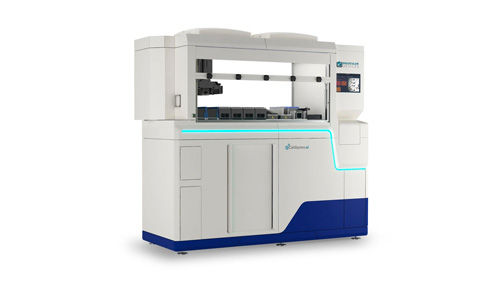
The CellXpress.ai™ Automated Cell Culture System is an AI-driven cell culture innovation hub that gives your team total control over demanding cell culture feeding and passaging schedules—eliminating time in the lab while maintaining a 24/7 schedule for growing and scaling multiple stem cell lines, spheroids, or organoids.
Molecular Devices
ImageXpress® HCS.ai High-Content Screening System
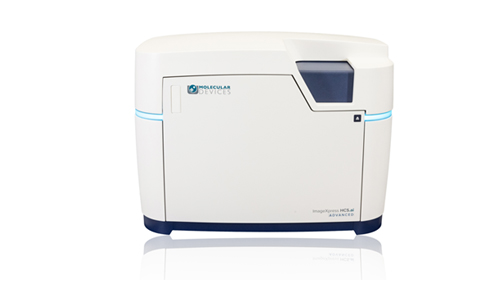
The new ImageXpress® HCS.ai High-Content Screening System captures exceptional images quickly and easily. Excelling across a vast range of assay types, the system can be easily upgraded to accommodate changing requirements. Seamless integration with AI-powered IN Carta® Image Analysis Software enables users to unlock deeper insights than ever before
SCIEX is a global leader in analytical and life sciences solutions, specializing in mass spectrometry and capillary electrophoresis technologies. Our precise instruments and innovative software empower scientists and researchers to advance their work with confidence and accuracy.

SCIEX
Echo® MS+ system
The Echo® MS+ system gives you high-quality data, analytical flexibility and high sample throughput so you can make informed decisions, today. With sampling rates of up to 1 sample per second, results can be generated on the same day with this complete solution that removes bottlenecks in high-throughput analytical workflows.
Stay tuned for more talks and posters.
| Time | Type | Description | Room / Location | Presenter |
| 8:30 AM – 12:00 PM PST | Short Course | Level Up Your 3D Cell Culture: From Research to High Throughput In the last several years, multiple research publications have shown the increased value of using 3D cell models compared to traditional 2D systems. Although considered by many as a more representative model of in vivo biology, the setup of 3D models can be more challenging, especially when the throughput is increased. This course will provide an overview of scaffold and scaffold-free techniques and key optimizations for increased throughput through imaging technologies and automation. Attendees will learn the tips and tricks for improving cell seeding, handling, processing and use of high-content imaging and analysis for 3D applications to address the need of higher throughput demands.
Molecular Devices. | 28A | Angeline Lim, Oksana Sirenko, Hilary Sherman |
| Time | Type | Description | Room / Location | Presenter |
| 12:00 PM – 1:00 PM PST | Poster | The development and optimization of a 384-well ELISA platform using CaptSure technology Poster# 1292-A
Abcam | Timothy Esch | |
| 2:00 PM – 3:00 PM PST | Exhibitor Tutorial | 85% Faster Through Automated Data Analysis: Development of an Automated Neutralization Assay Automation promises a drastic reduction in development and analysis time, reduce derror rates, and process optimization, leading to faster decision-making. In this tutorial, our partners at Moderna demonstrate how they developed an automated SARS-CoV-2neutralization assay, including the automation of the complete wet lab workflow with a complex integration of various lab automation hardware components and analysis instruments.For data analysis, they use Genedata Screener to automatically evaluate assay performance and automate data analysis, ensuring robust, high-quality data is ready for reporting. This results in an 85%-time savings in the data analysis and reporting process. Vikram Rao and Nicholas J. Amato will present how Moderna achieved this. Please read the full abstract of their excellent work below:'Development and Automation of a SARS-CoV-2 Neutralization Assay'The SARS-CoV-2 neutralization assay is a critical tool for assessing antibody efficacy against SARS-CoV-2 viruses in samples such as but not limited to sera from human and animals. This assay serves as an efficient means of assessing immune response for vaccine evaluations against virus variants under BSL-2 laboratory conditions.Traditionally, the in-house developed manual assay is a three-day, cell-based procedure that is labor-intensive and time-consuming.To address these challenges, we developed the company’s first automated cell-basedSARS-CoV-2 neutralization assay using an enclosed liquid handler, the HamiltonVantage, integrated with a BioTek plate washer, a Liconic incubator, and a BMGPHERAstar plate reader. Given the number of various peripherals and the limited sample volumes, we focused on creating a robust method that can accommodate various scenarios that minimizes run failures. By maximizing the capabilities of theVenus software on the Vantage and integrating it with our in-house application,Robotics, we enhanced recovery that allowed users to recover the assay from most error states of the automated protocol. Additionally, this system enables customization based on specific assay parameters.Following development, we executed assay validation studies, comparing data trends between the automated method and the manual assay, yielding results that demonstrate the automated and manual assays are comparable. The automated method can accommodate up to 18 assay plates in a single run, and up to two runs within a standard eight-hour workday. This automation reduces operator repetitive Confidential - Company Proprietary stress, streamlines the assay workflow and limits manual intervention, thereby saving overall operator time.Extending the assay automation, we collaborated with Genedata to develop a custom workflow in their Screener software that automates the data analysis portion of this assay, which is inherently complex. Automation minimizes the need to manually handle the data, preventing data management errors. The data analysis template loads the raw data, along with respective mapping metadata directly from the plate reader. Screener automatically evaluates assay performance following established criteria, ensuring robust, good quality data is readily available in a custom reportable format. This enables both short-term scientific decision making and long-term data trending, yielding an 85% time-savings relative to the manual data analysis and reporting process.Co-Authors: Sharanya Iyer, Diana Lee, Cindy Nguyen, Jose Garcia Condori, Lyndon Matsubara, Kalpesh Gupta, Kai Wu
Genedata | 28B | Nicholas J. Amato, Senior Director & Vikram Rao, Principal Research Associate, Moderna & Sascha Fischer, Business Development Manager |
| 2:00 PM – 3:00 PM PST | Poster | Efficient CCND1 Knockout, Colony Selection, and Screening via a Mammalian Colony Picker and Automated Cell Culture platform Poster # 1137-B
Molecular Devices | Oksana Sirenko | |
| 2:00 PM – 3:00 PM PST | Poster | High speed phenotypic profiling using a next generation high content imaging platform Poster #: 1273-B
Molecular Devices | Angeline Lim | |
| 2:00 PM – 3:00 PM PST | Poster | Use of AI-analysis tools and next generation High Content Screening Platform to improve data capture with 3D screening assays Poster #: 1257-B
Molecular Devices | Zhisong Tong | |
| 2:00 PM – 3:00 PM PST | Poster | Next-generation acoustic ejection mass spectrometry: A fully automated platform for high throughput sample analysis Poster #: 1225-B
Beckman Coulter Life Sciences & SCIEX | Sarah Simons, | |
| 4:00 PM – 4:30 PM PST | Scientific Talk | Targeting RNA to drug 'undruggable' targets using Evotec’s High-throughput RT-qPCR platform: focus on RNA splicing modulators Only a limited number of disease-relevant protein targets are considered druggable by small molecules. Thus, it remains critical to find alternative strategies for “undruggable” targets. In most cases, the goal is to decrease the amount of the target to abolish its activity. Two main strategies are favored: induction of the target degradation or inhibition of the target expression. This latest approach can be reached by decreasing the messenger RNA (mRNA) coding for the target. In multicellular eukaryotes, introns are removed from pre-mRNA and exons are stitched together to produce mature mRNA transcript, used downstream as a template for protein translation. This essential step, called pre-mRNA splicing, is a key regulatory step in gene expression. RNA splicing defects can lead to mutations and is associated with a large array of diseases, including cancers or Duchenne muscular dystrophy (DMD). There are currently two main classes of validated RNA-splicing therapeutics: antisense oligonucleotides (ASOs) as well as small molecules. Risdiplam has been the first approved small molecule splicing modulator for spinal muscular atrophy (SMA), and several ASO-based therapies have been approved by the U.S. Food and drug Administration (FDA) for the treatment of DMD, such as Nusinersen or Viltolarsen. Lately, interfering with mRNA splicing has become a new avenue to drug “undruggable” proteins. The goal is to modulate expression of pathogenic proteins by generating alternatively spliced RNA isoforms, that will lead to production of truncated and non-functional proteins or RNA degradation by nonsense-mediated mRNA decay (NMD) pathway. Quantitative reverse transcription PCR (RT-qPCR) is the gold standard to identify and profile RNA splicing modulators. At Evotec, we can leverage our fully automated multiplex RT-qPCR platform to accelerate identification of small molecule or ASO modulators of RNA splicing. RT-qPCR is compatible with the most advanced cell models such as primary cells, induced pluripotent stem cells or organoids. Our current optimized RT-qPCR process, miniaturized to 384-well plate format, allows to screen up to 13,000 compounds per day and to follow up to 4 genes in a single well by multiplexing. It thus represents a cost-effective alternative to reporter-gene assays. In addition to process automation, we present a highly scalable and automated data analysis workflow using Genedata Screener software. This software is used for rapid characterization of large sets of molecules to identify splicing modulators, highlight cytotoxic compounds and estimate compound activity from changes in concentration-response curves. Finally, gene expression hits are typically confirmed via different protein-based assays, such as HTRF or HiBit tagging system. Evotec has a strong track record at developing customized RT-qPCR assays and supported screening and profiling activities on dozens of RNA splicing targets.
Genedata | 30DE | Mélanie Carquin, Research Scientist, Team Leader, Evotec |
| Time | Type | Description | Room / Location | Presenter |
| 8:30 AM – 10:00 AM PST | Exhibitor Tutorial | Revolutionizing Mass Spectrometry: High-Speed, Low-Sample Volume Acoustic Ejection for High-Throughput Sample Analysis Join us for a breakfast seminar featuring three distinguished experts discussing the Echo® MS+ system and its impact on high-throughput sample analysis. Discover innovative approaches from small molecules to intact proteins.
SCIEX | 24C | Adhi Tiwari, Sr. Scientist, Ginkgo Bioworks Daniel Blair, Assistant Member, St. Jude Children's Research Hospital Maxim Zhgamadze, Sr. Scientist, Johnson & Johnson |
| 12:00 PM – 1:15 PM PST | Exhibitor Tutorial | Automation of 3D organoid culture and assays powered by machine-learning and advanced image analysis The majority of developing drugs fail in the later stages of the drug development pipeline and in clinical trials because of the insufficient predictivity of cell models used to screen drug candidates. Organoid technologies appeared as a game-changer in disease modeling and drug screening, since they better resemble tissue structure and functionality and show more predictive response to drugs.
Molecular Devices | 28A | Oksana Sirenko, Ph.D. |
| 12:00 PM – 1:00 PM PST | Poster | Machine-learning assisted automation of complex 2D and 3D cell culture and assay models Poster# 1054-C
Molecular Devices | Oksana Sirenko | |
| 12:00 PM – 1:00 PM PST | Poster | Getting more information from organoids: A high-throughput assay for human alanine transaminase (hALT) Poster #: 1294-C
Molecular Devices | Cathy Olsen | |
| 12:00 PM – 1:00 PM PST | Poster | Leveraging covalent ligands as tool molecules in competition assay to enable hit finding and validation
Genedata | Jing Xue, Scientist 2, Genentech | |
| 12:00 PM – 1:00 PM PST | Poster | Ultra-high throughput HILIC-free analysis of oligonucleotides using acoustic ejection mass spectrometry Poster # 1226-C
SCIEX | Jacob McCabe, SCIEX | |
| 12:00 PM – 1:15 PM PST | Exhibitor Tutorial | SureFire and SimpleStep ELISA: High sensitivity screening platforms powered by recombinant antibody technology In this talk, we’ll delve into the advantages of SimpleStep ELISA technology, which combines the specificity of recombinant antibodies with the CaptSure immobilization technology. We’ll highlight innovation in high-throughput immunoassays, with a particular focus on SureFire® – the pharmaceutical industry’s go-to platform for high-throughput screening in drug discovery research – as well as a new 384-well format of SimpleStep ELISA. Finally, we’ll examine how our immunoassays effectively solve specific customer challenges, enhancing research efficiency and precision within the field
Abcam | 28B | Jeff Monette, Head of Immunoassay Platforms & Ant Sheehan, Director of Immunoassays |
| 2:00 PM – 3:00 PM PST | Poster | AI-enabled automated compound screening for toxicity effects using healthy intestinal organoids Poster # 1123-D
Molecular Devices | Oksana Sirenko | |
| 2:00 PM – 3:00 PM PST | Poster | Revolutionary Hit Finding Approach: Affinity-Based Screening Using High Throughput Spectral Shift Poster # 1023-D
Genedata | Vanessa Porkolab, Ph.D., Biophysics Director, Eurofins Cerep | |
| 2:00 PM – 3:00 PM PST | Poster | High-speed compound quality assessment using acoustic ejection mass spectrometry Poster # 1227-D
SCIEX | Jacob McCabe, SCIEX | |
| 2:00 PM – 3:00 PM PST | Exhibitor Tutorial | Automating Hit Finding of Covalent Inhibitors: A Mass Spectrometry Workflow The identification of covalent inhibitors has emerged as a promising approach for drug discovery due to their ability to form irreversible bonds with target proteins, leading to prolonged therapeutic effects. This tutorial will demonstrate a Rapid Fire based High-Throughput Screening (HTS) methodology for the detection of covalent inhibitor adducts, streamlining the drug discovery process. Utilizing advanced Quadrupole Time of Flight Mass Spectrometry coupled with automated liquid handling systems, the platform enables the swift identification of covalent interactions between small-molecule inhibitors and target proteins. By integrating novel Genedata data analysis algorithms, the method achieves high sensitivity and specificity, detecting subtle modifications in protein adduct formation. This approach accelerates the discovery of selective covalent inhibitors.
Genedata | 28B | Yecenia Peraza, Scientist, Pfizer |
| Time | Type | Description | Room / Location | Presenter |
| 1:30 PM – 2:00 PM PST | Scientific Talk | Accelerating Early Drug Discovery: The Power of Integrated Data Systems and AI The early stages of drug discovery are crucial yet time-consuming and resource-intensive. With the rapid growth of data from various sources like high-throughput screening, omics technologies, and public databases, there is an immense opportunity to accelerate this process through integrated data management systems and artificial intelligence (AI). At Merck Healthcare KGaA, Darmstadt, Germany, we have developed a comprehensive platform that seamlessly integrates multi-modal data from diverse domains such as chemistry, biology, and pharmacology. This centralized data lake, coupled with robust data governance and quality control measures, ensures data integrity and accessibility for downstream analyses. Leveraging this integrated data ecosystem, we have implemented cutting-edge AI and machine learning models to drive key drug discovery activities. For instance, we employ deep learning techniques for virtual screening, significantly increasing chemical diversity while simultaneously reducing the number of compounds to be tested experimentally. Additionally, our predictive models can accurately forecast key pharmacokinetic and toxicity parameters, enabling early prioritization of promising candidates. By tightly integrating AI with our unified data infrastructure, we aim to seamlessly traverse the entire drug discovery pipeline, from target identification and validation to hit discovery and lead optimization. This synergistic approach has already yielded tangible results, reducing cycle times and costs associated with early-stage drug discovery efforts. In this presentation, we will showcase key components of our pioneering framework, and demonstrate the transformative potential of integrated data systems and AI in accelerating the arduous journey of bringing life-changing therapies to patients.
Genedata | 30ABC | Bolek Zapiec; Head of Digital & Data Science; Merck Healthcare KgaA |
| 2:00 PM – 2:30 PM PST | Scientific Talk | SPR Binding Data Management for Biotherapeutic Development and AI/ML Training Generative biology incorporates cutting edge biology, high throughput automation and AI to speed up drug development. It’s critical to provide meaningful data to feed machine learning models and to predict developability of the therapeutic candidates. To adapt to the demands of larger sample size and shorter turnaround time, we are transforming our SPR binding assays, including automated assay plate preparation and customized data analysis module in Genedata Screener.
Genedata | 31ABC | Wei Wang, Senior Principal Scientist, Amgen |