DM4 P, DM750 P & Visoria P Polarization Microscopes
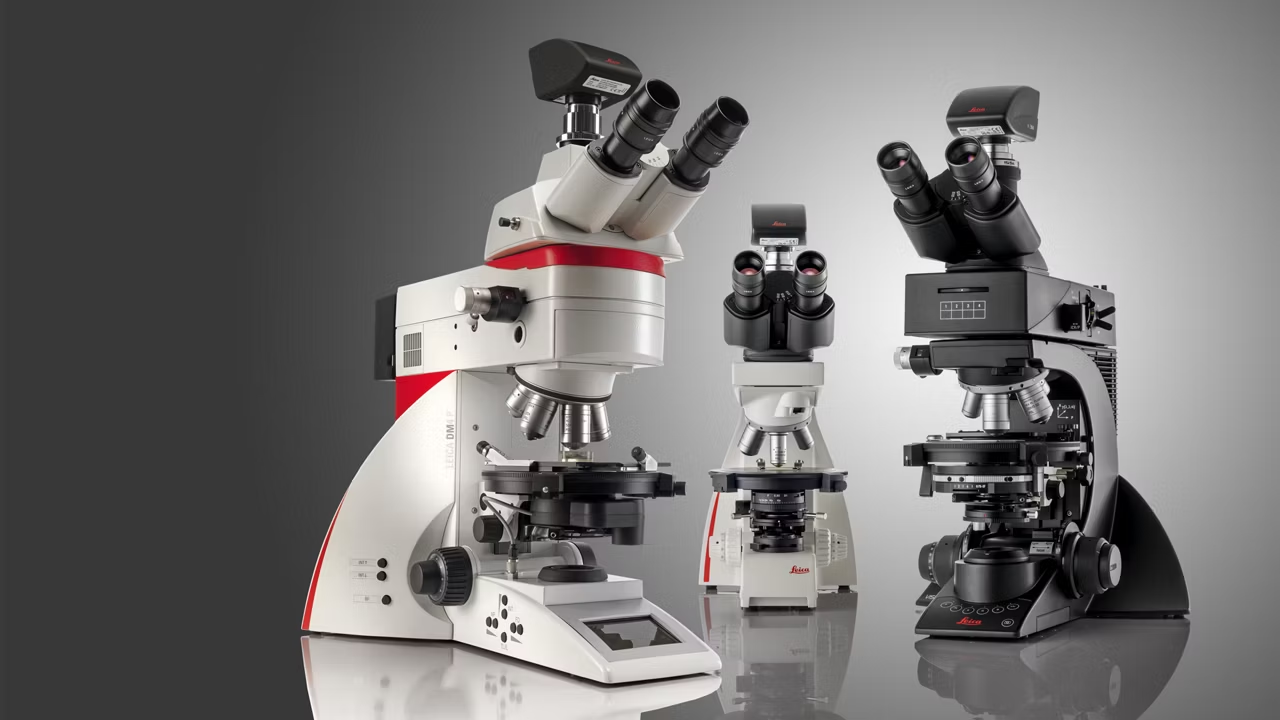
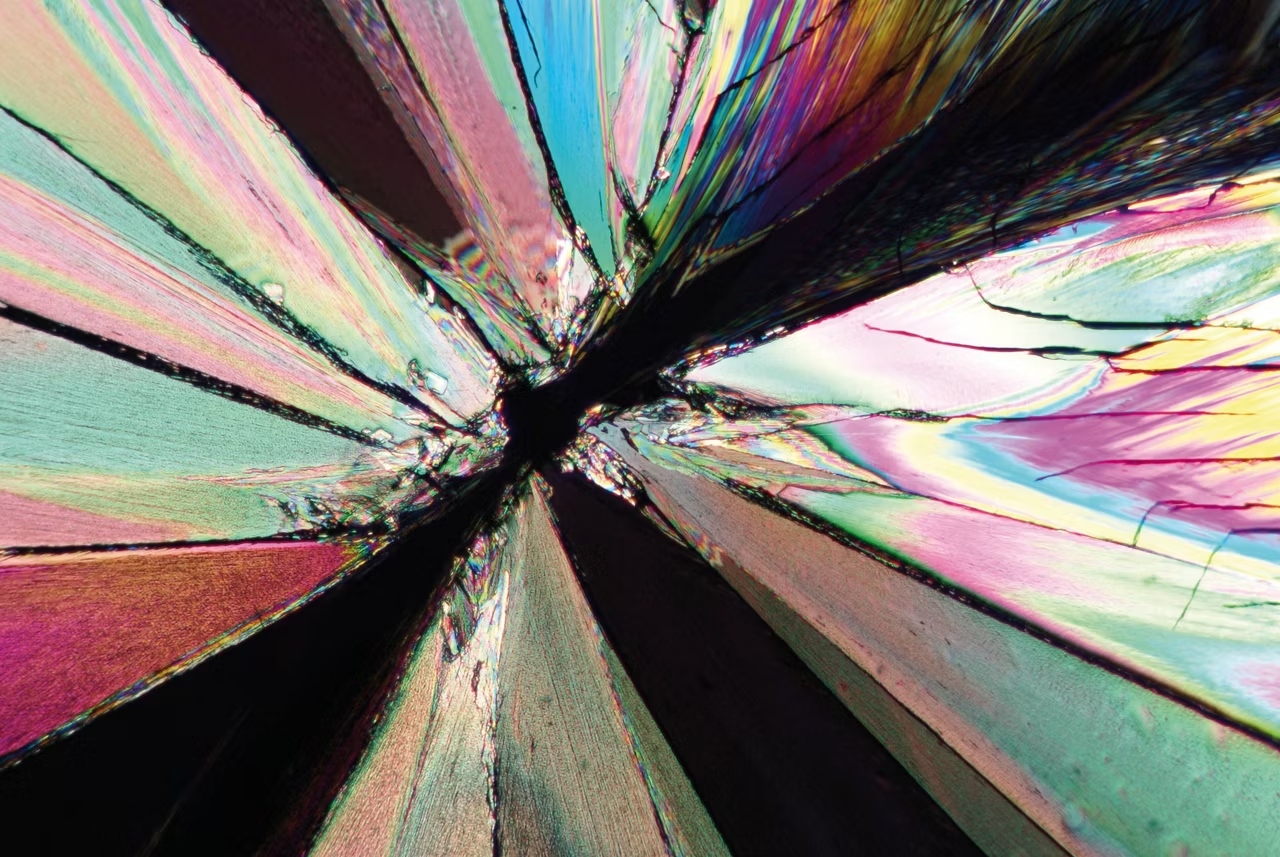
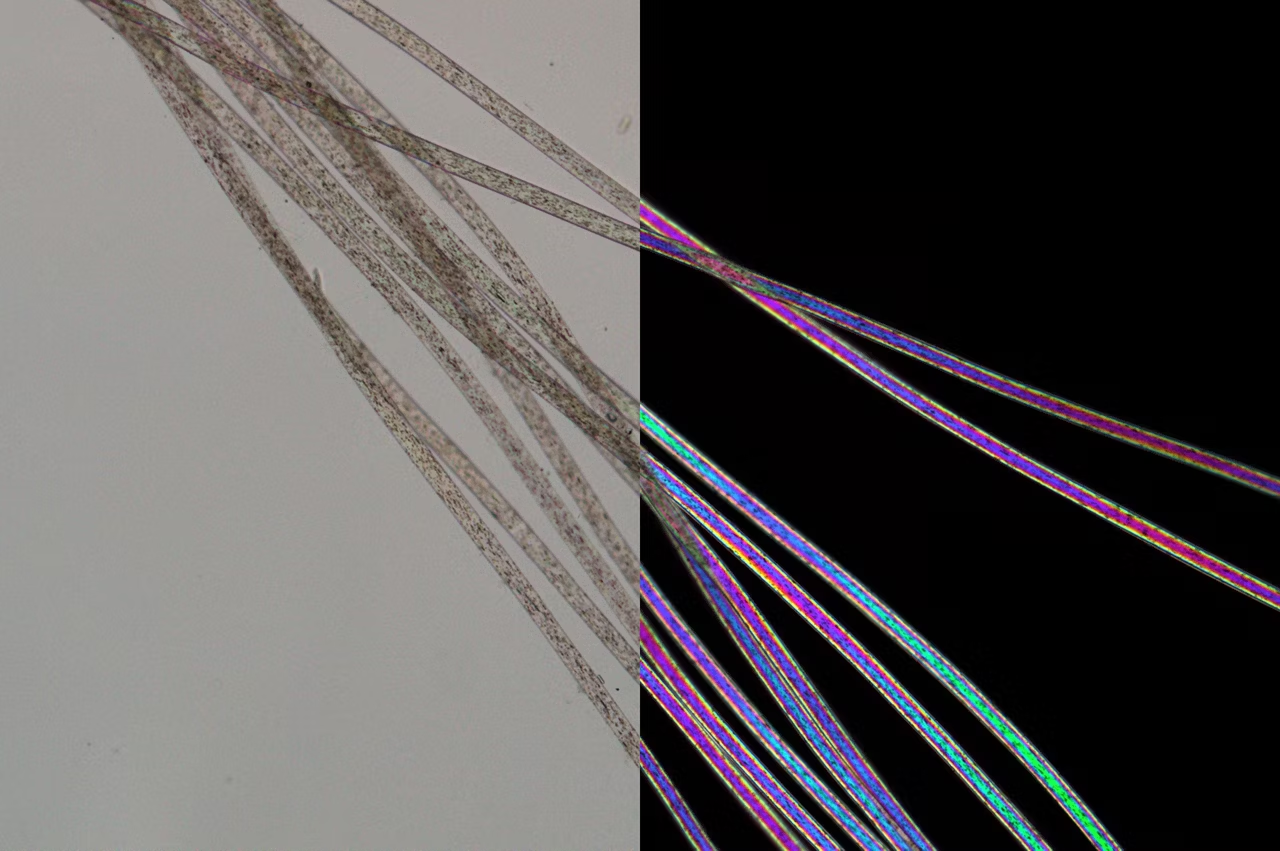
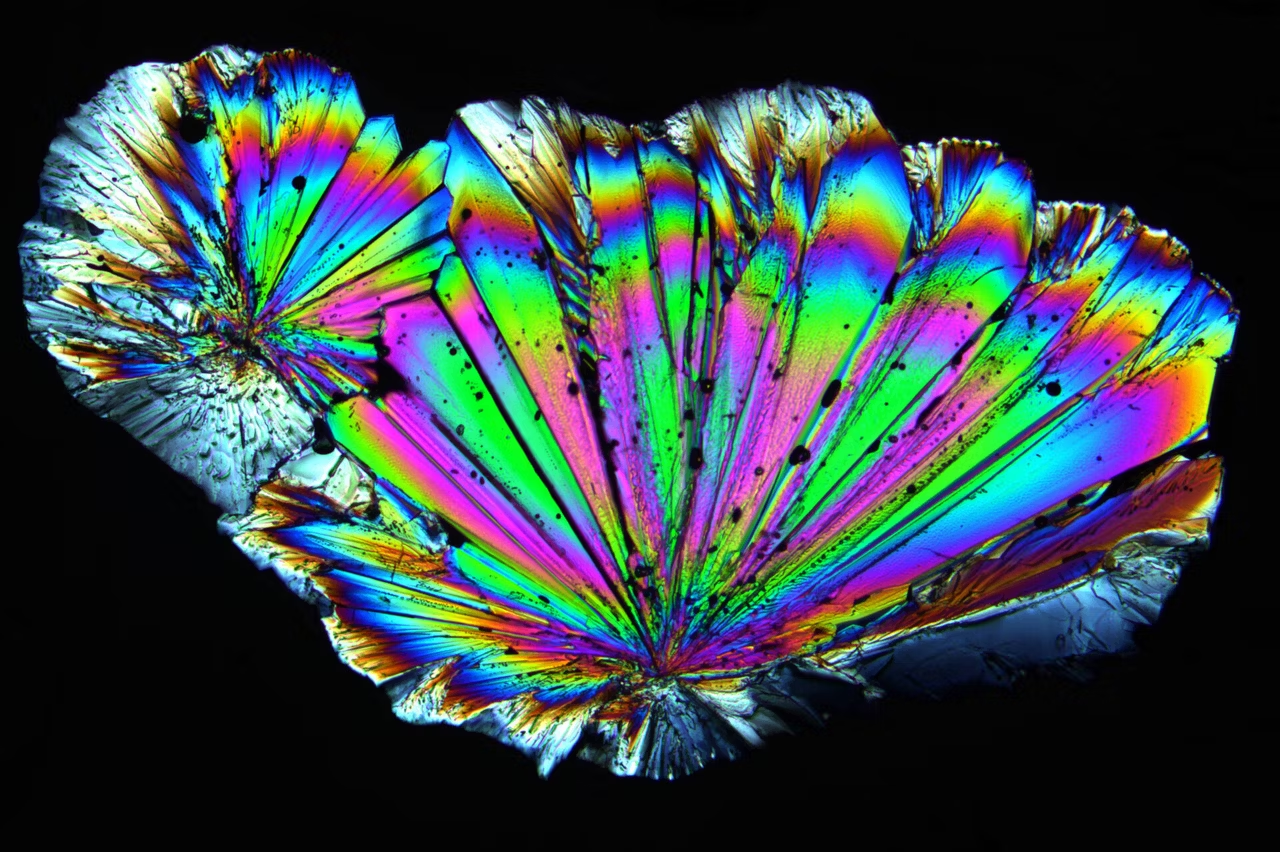
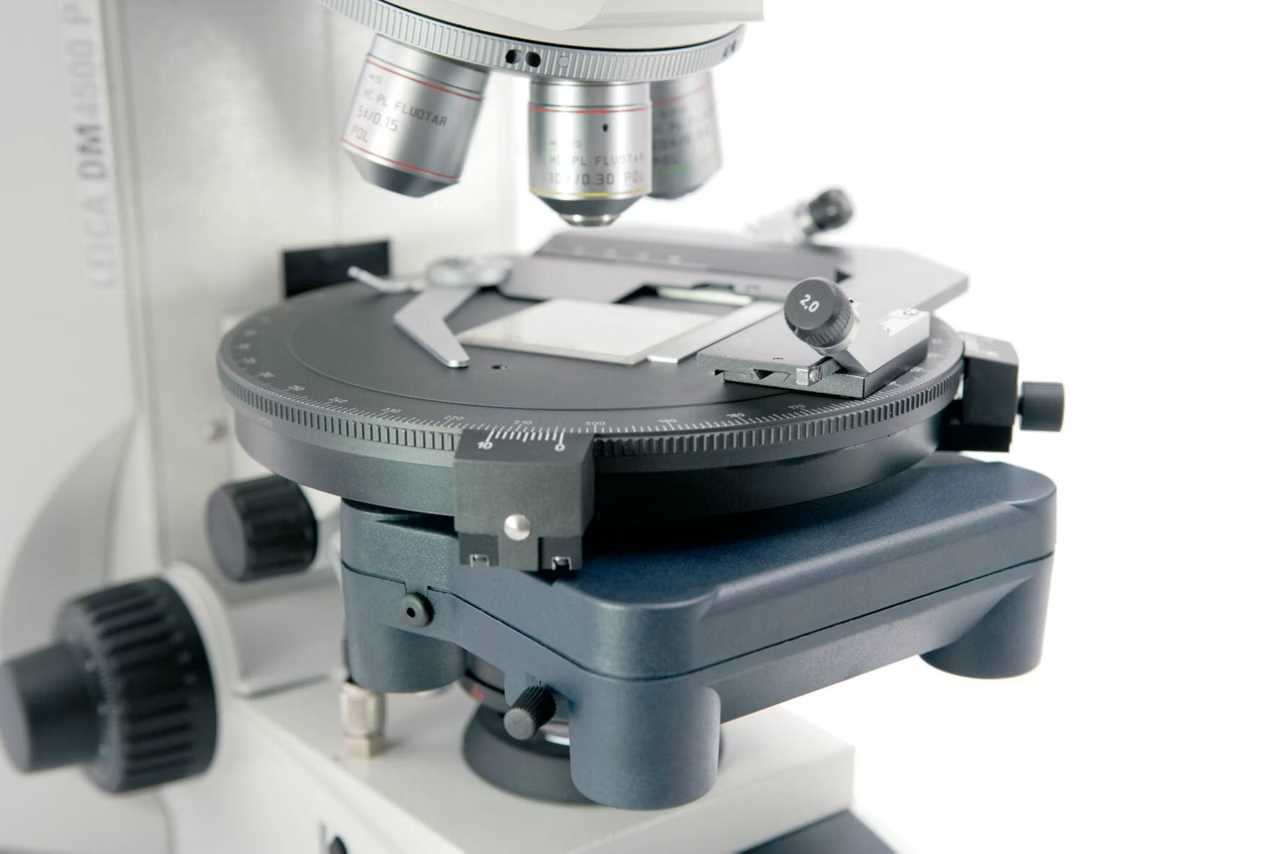
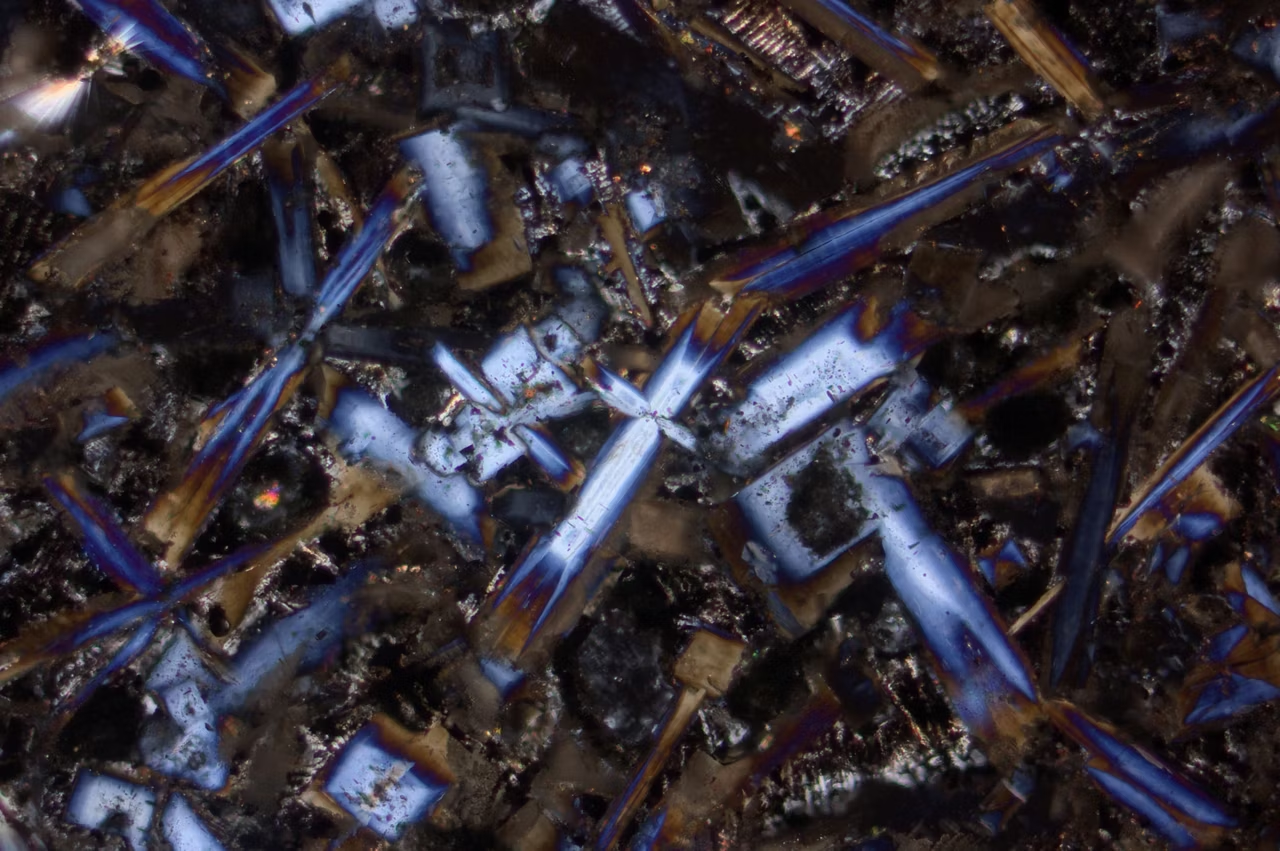
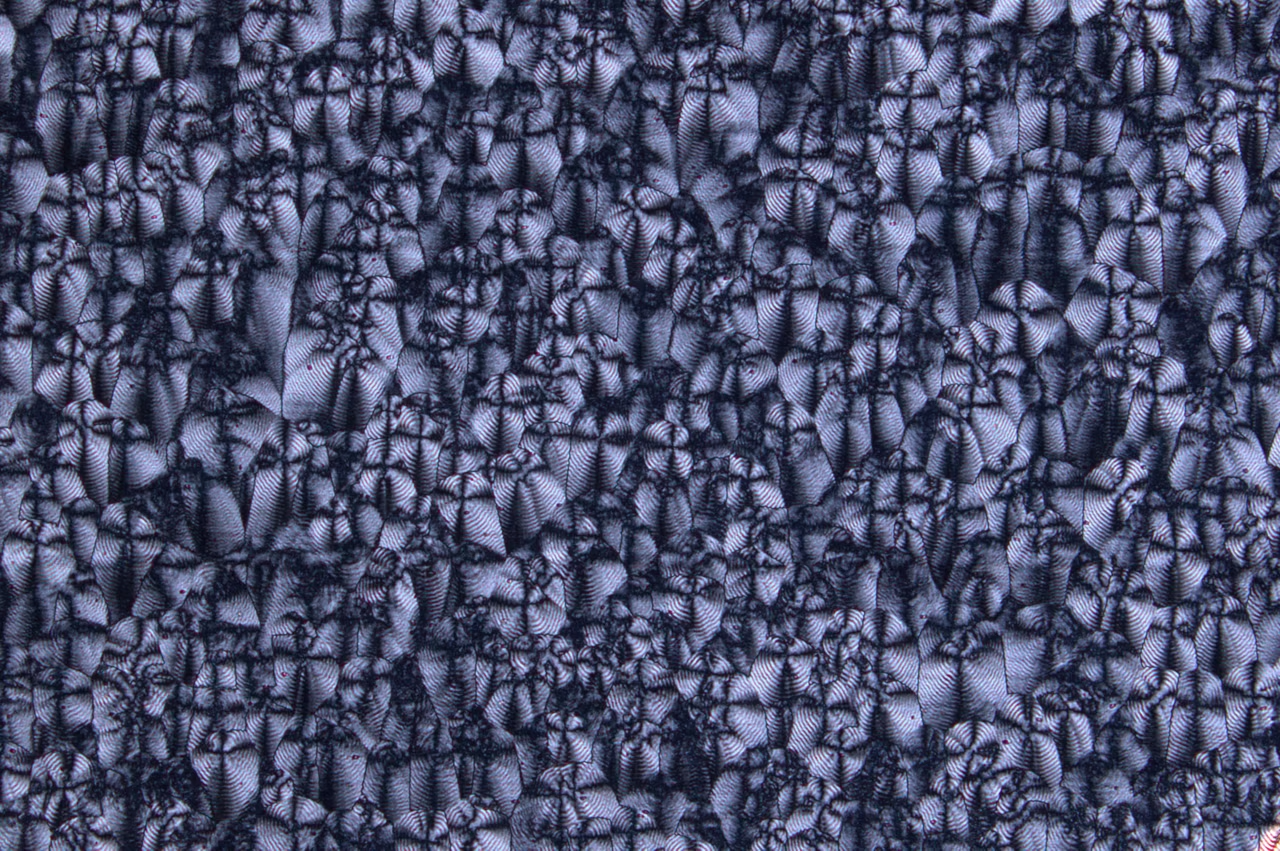
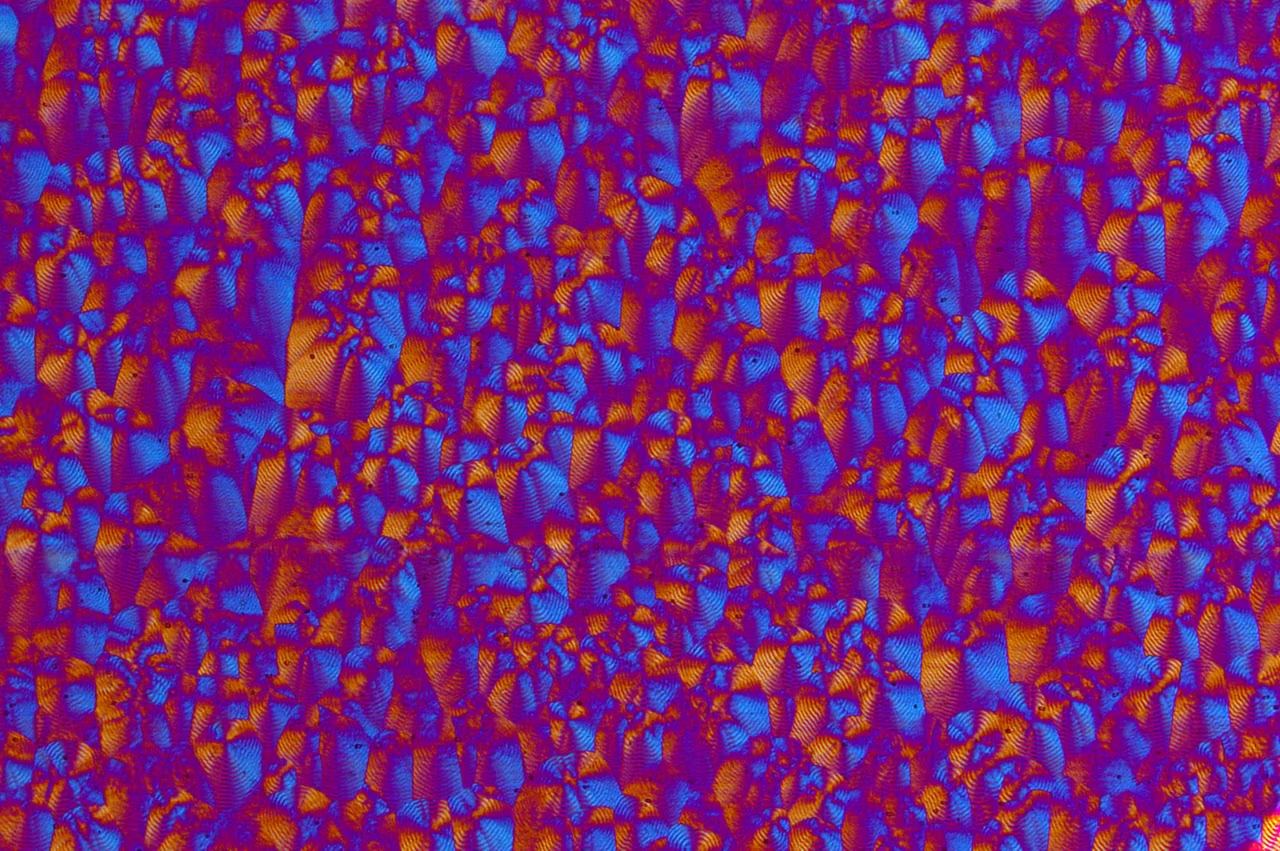
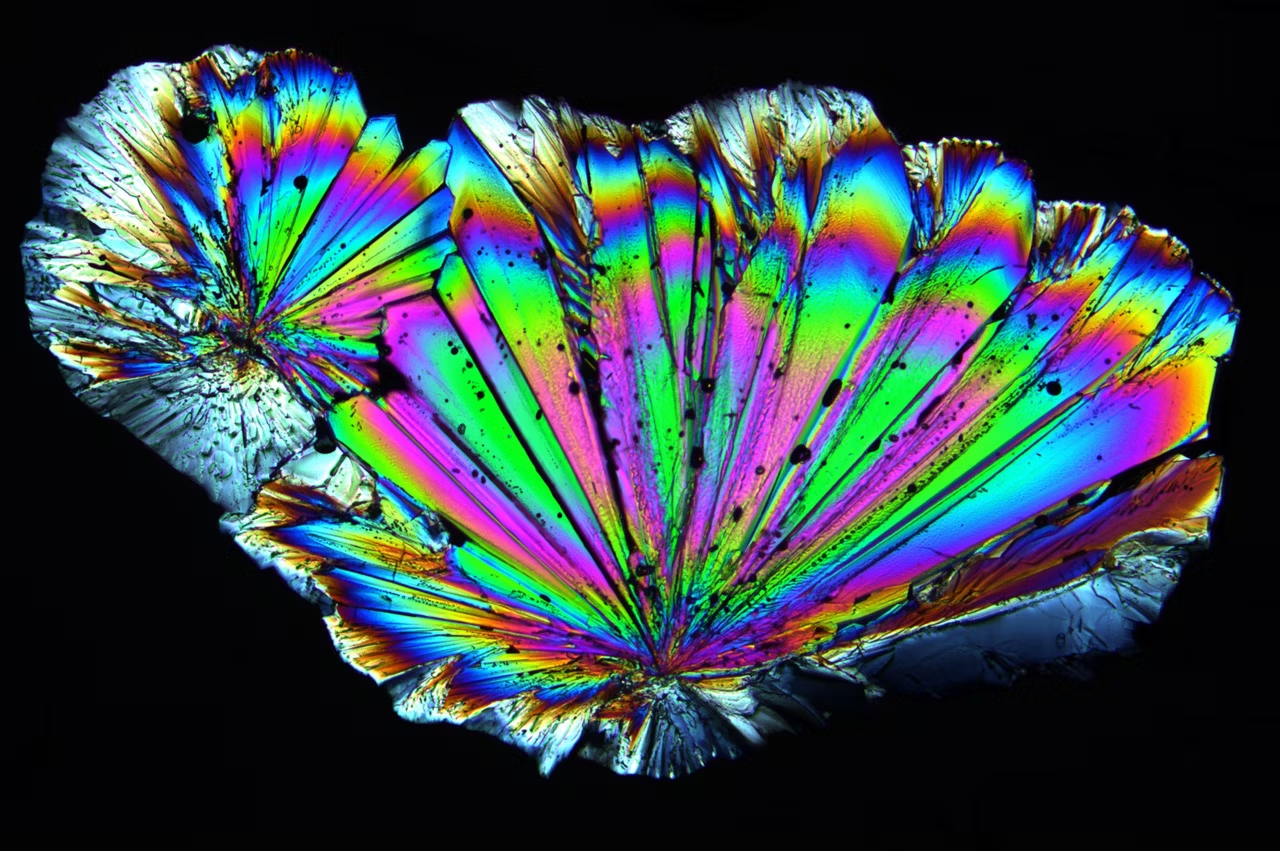
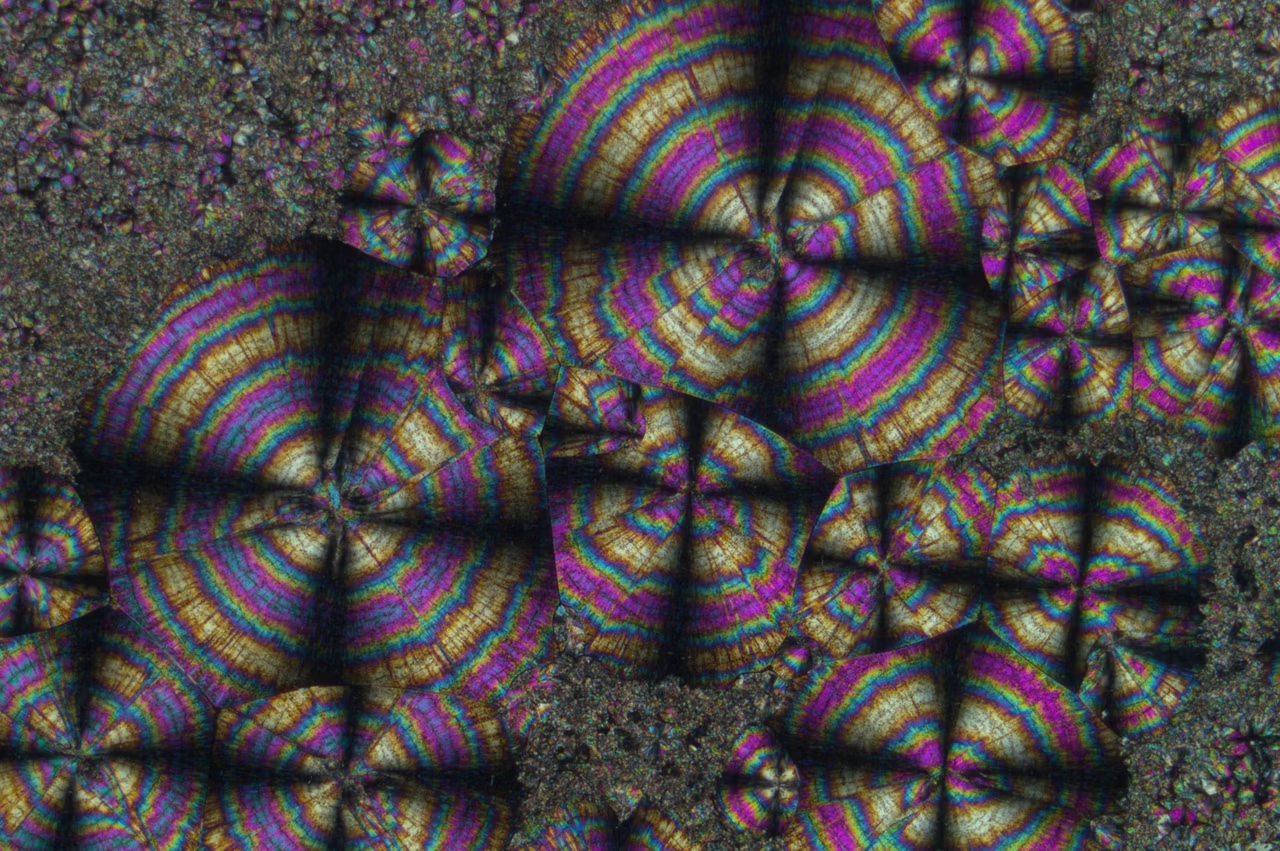
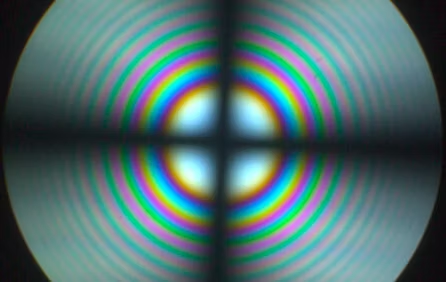
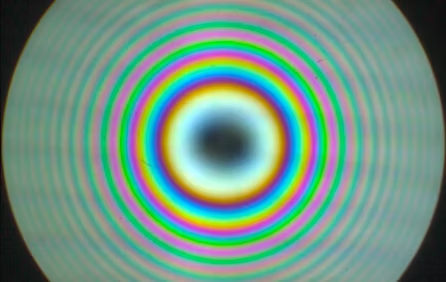
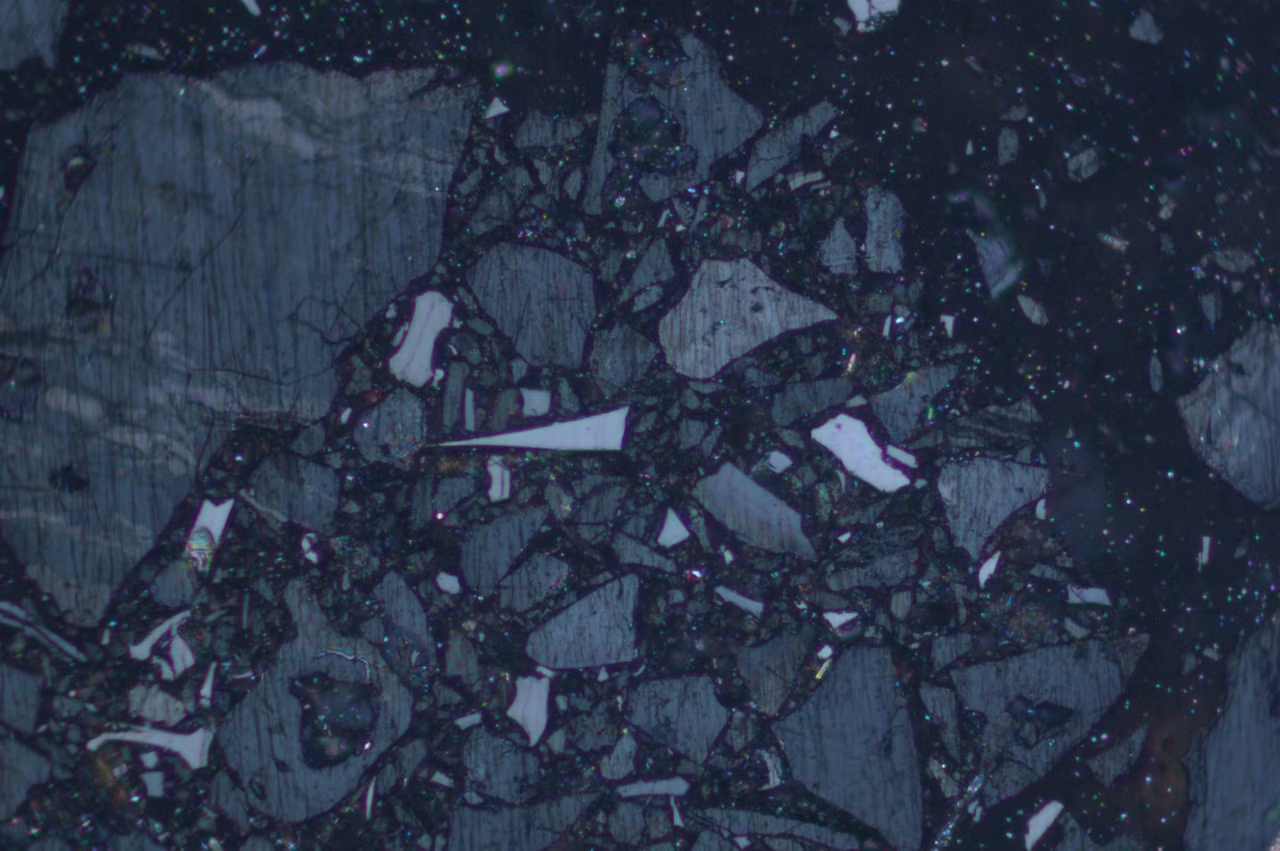
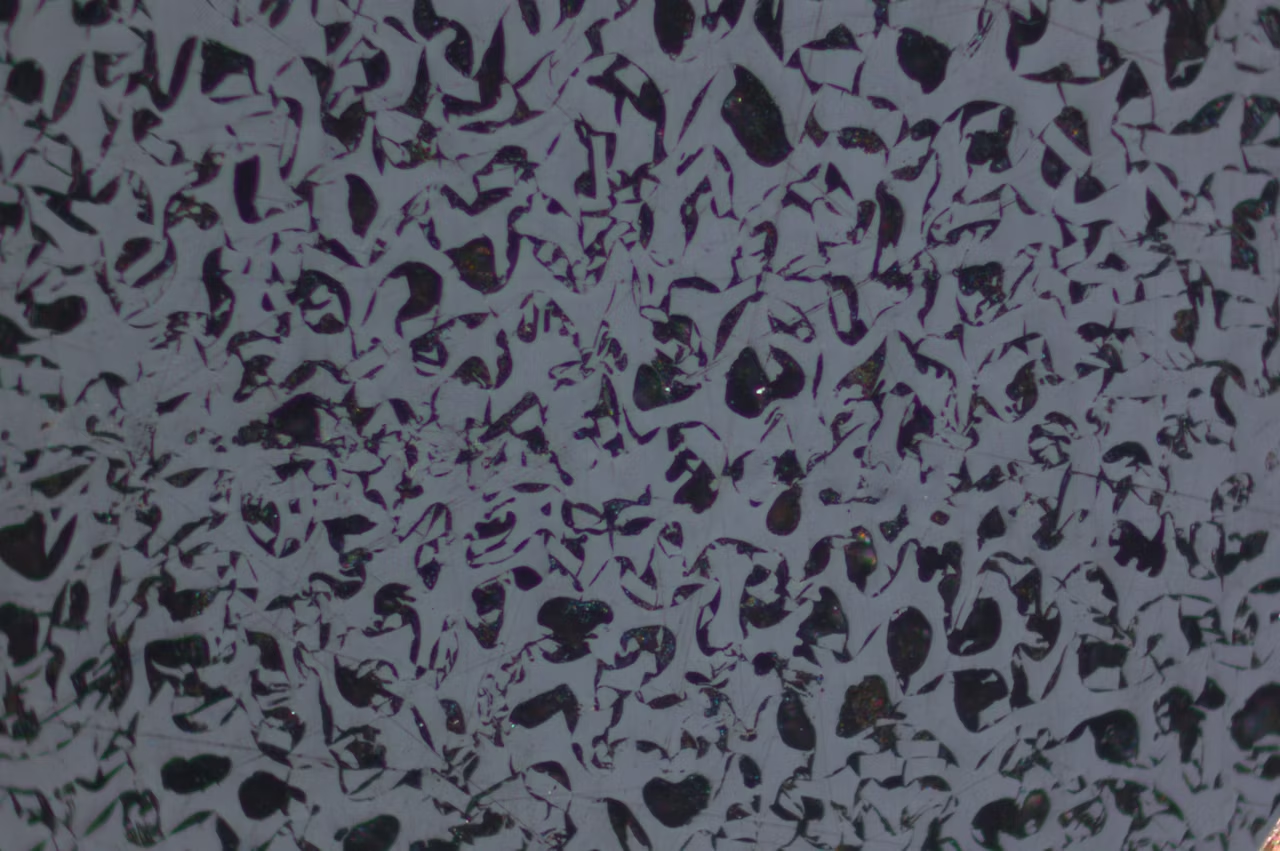
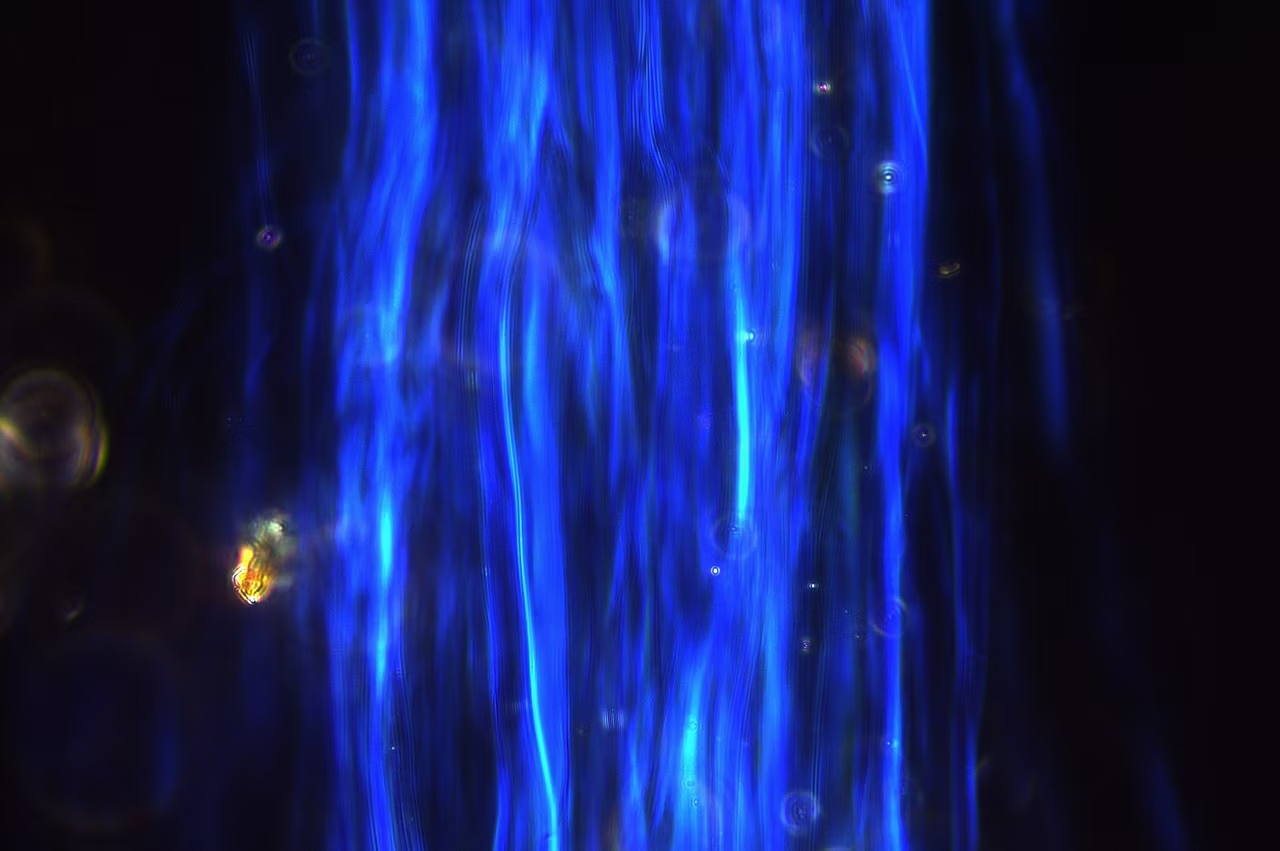
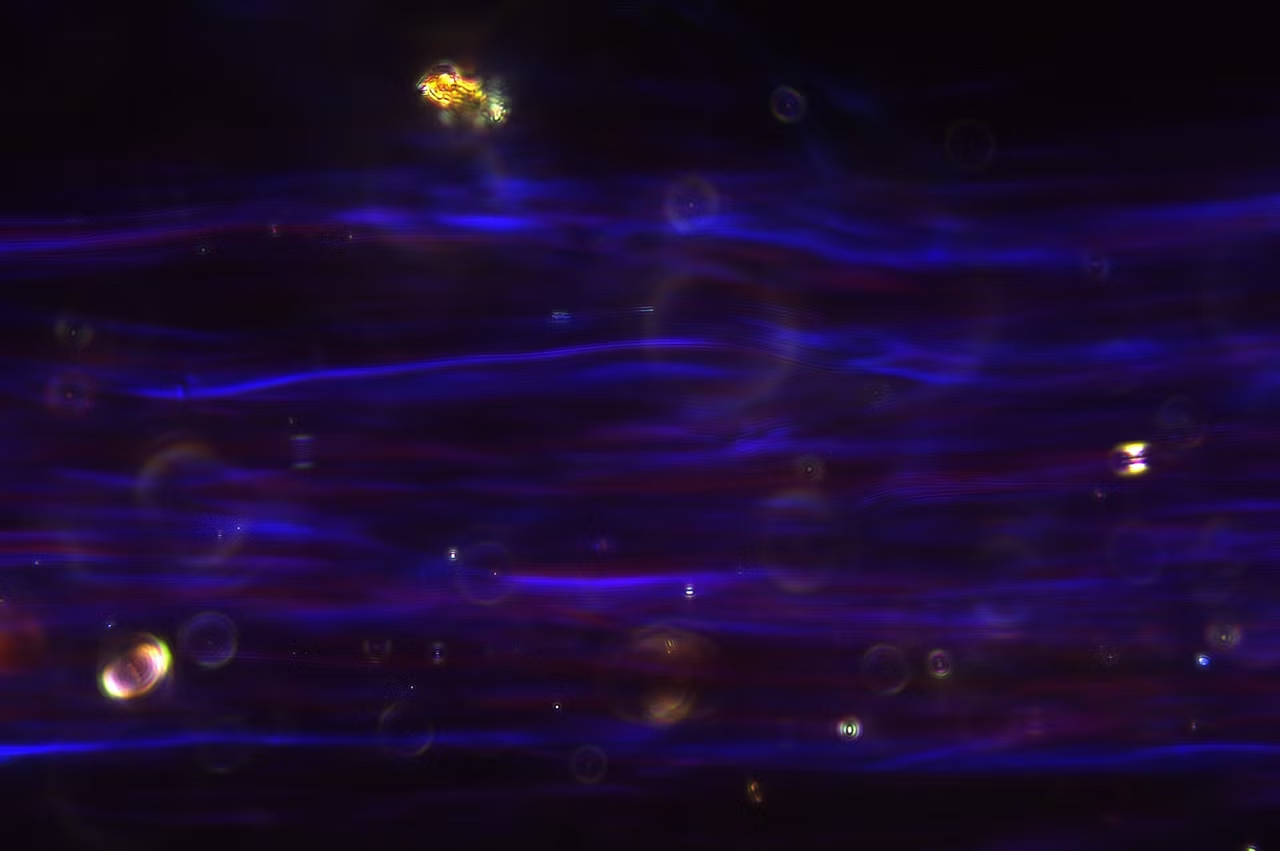
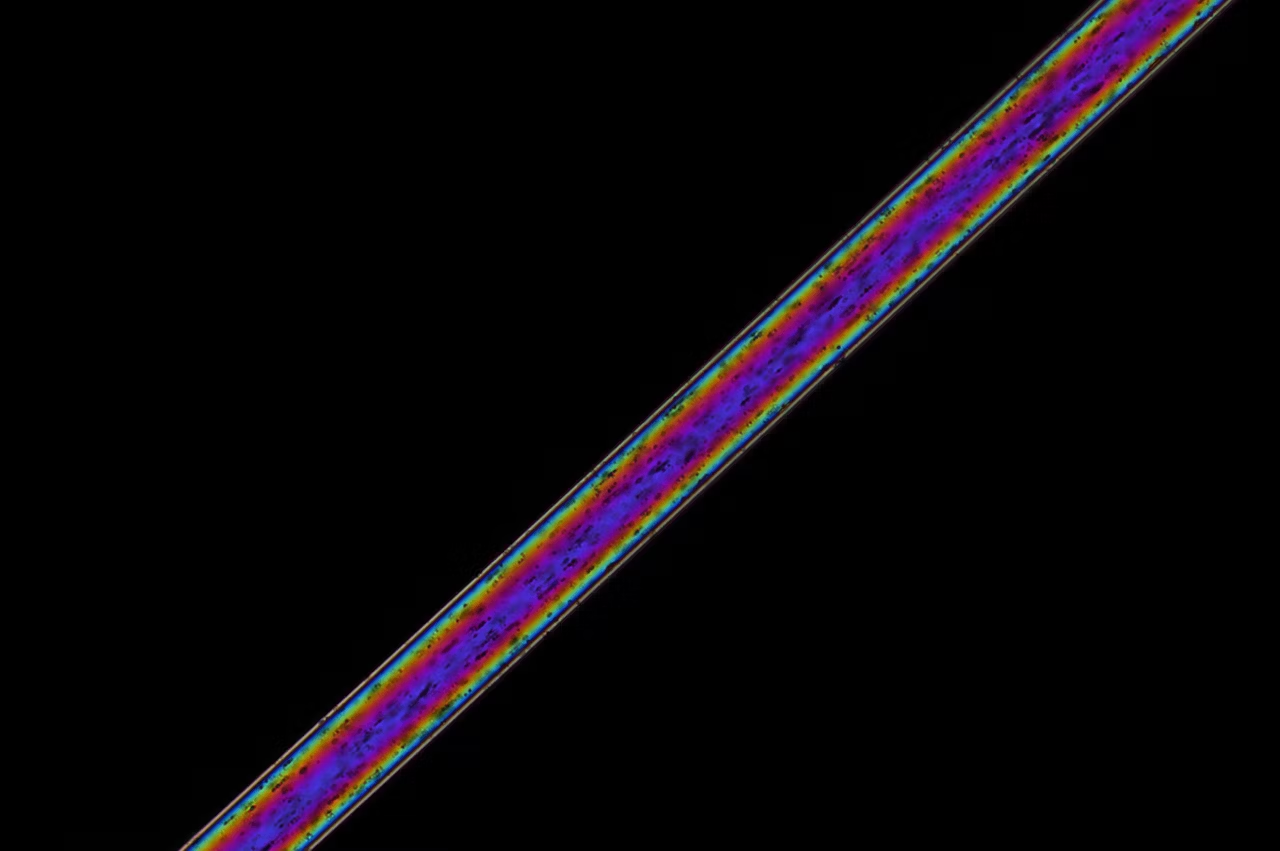
If you would like to investigate crystalline structures, polarization microscopy will serve you best. Whether it be minerals, plastics and polymers, drugs and pharmaceuticals, or pigments and cement, with our polarization microscopes you will see what interests you most as a researcher or in quality assurance.
Get Optimal Results

You need a few components to get what you aim for in polarization. These are the most important:
- Strain-free optics, because you need to be sure that the observed birefringence results from the sample and not from the optics
- LED illumination is crucial, because it lights the samples homogenously and at a constant color temperature
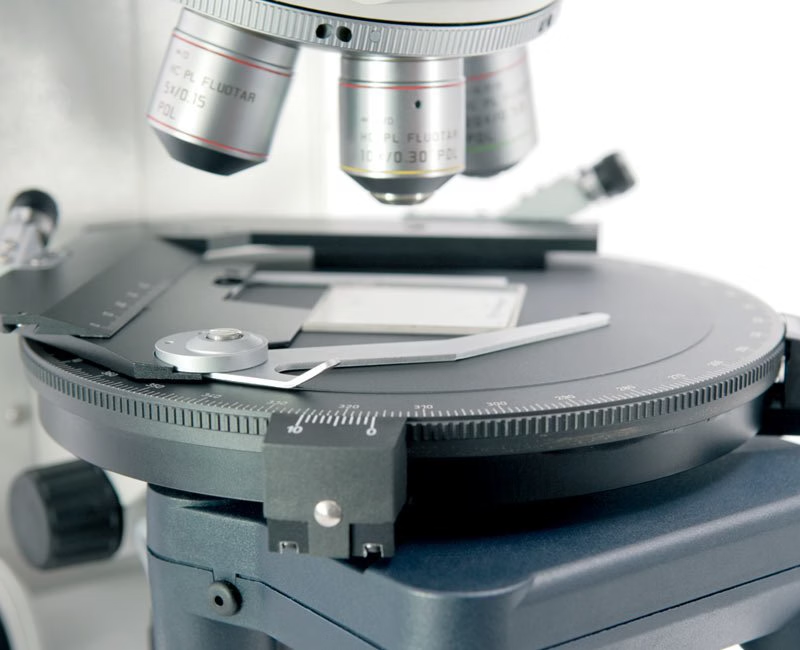
- Polarizers will make birefringence visible and a rotatable stage enables you to align the sample and optical axis
- You need a Bertrand lens for conoscopic observation of the optical axis and compensators for measurement tasks
Best of Both Illuminations

You can configure the Leica DM4 P with LED illumination either for transmitted light or incident light or with LED for both transmitted light and incident light in one go.
- Incident light is mandatory for all who perform reflectivity measurements, for example looking at ores or coal.
- Transmitted light is required for birefringence measurements, for example in inspection of geological thin sections, polymer foils, or drugs.
- For specific applications such as in geological research, both are necessary.
When the microscope is equipped for both incident and transmitted light, the associated objective, that is with or without cover glass correction, should be used from magnification >10x.
Get your Nosepiece Around it!

Get different sample information from different magnifications of the 6-objective nosepiece.
- Use a 2.5x overview objective to identify macro structures in your sample
- Change to 63x magnification for detailed investigations of optical properties by means of conoscopy
- Switch to 100x to inspect phase reactions along grain boundaries
By the way: The nosepiece is also coded, so that it supports you intelligently.
Investigate Optical Properties

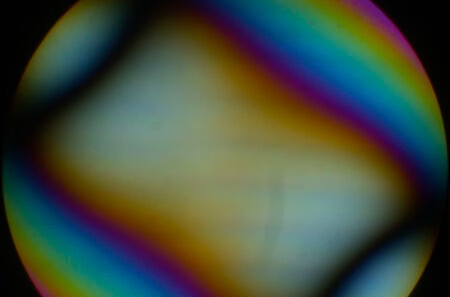
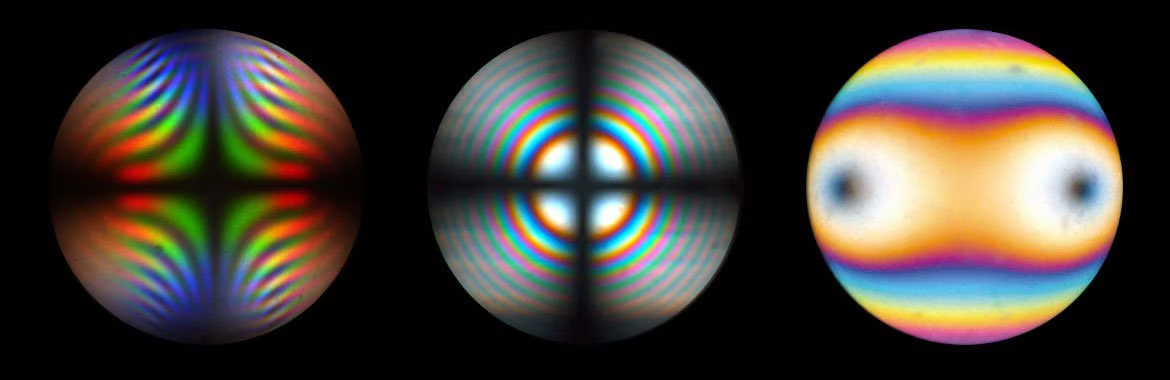
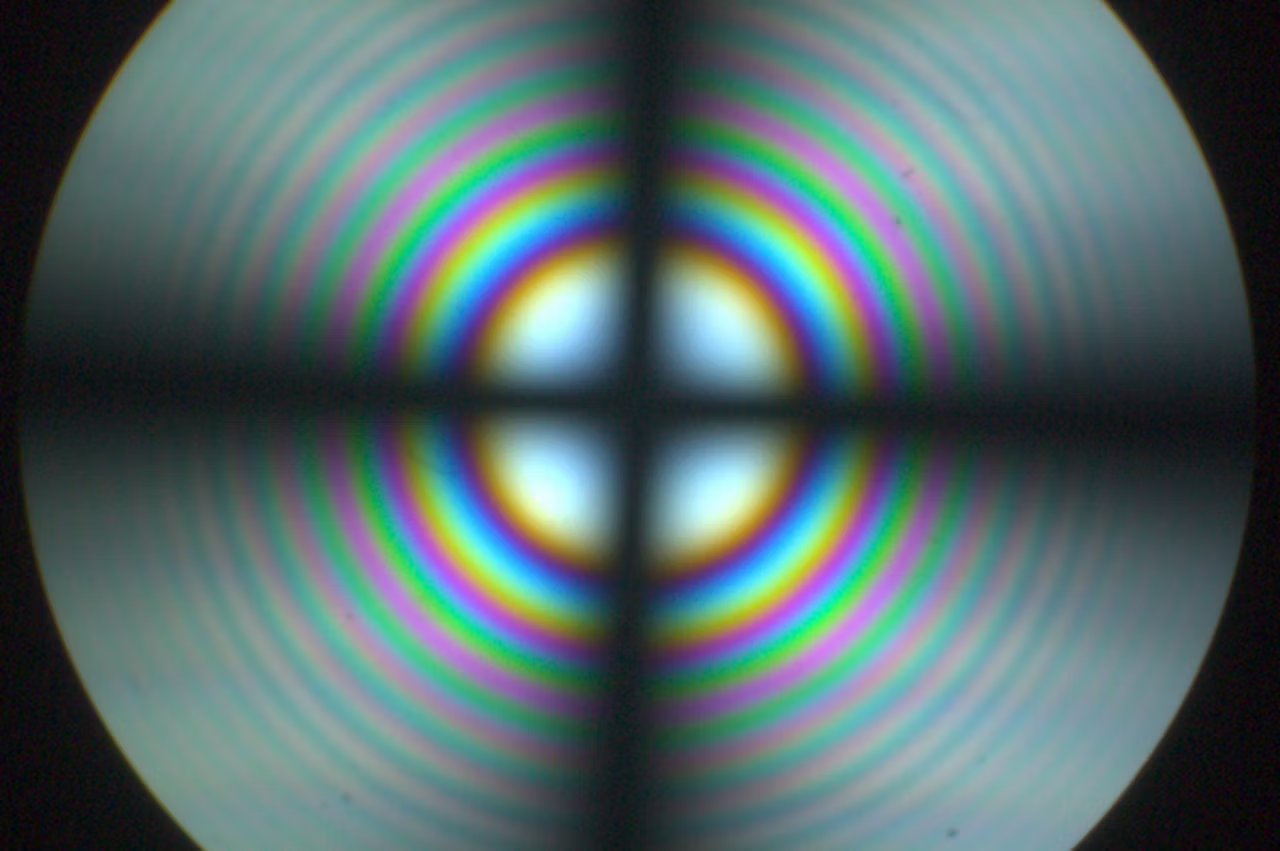
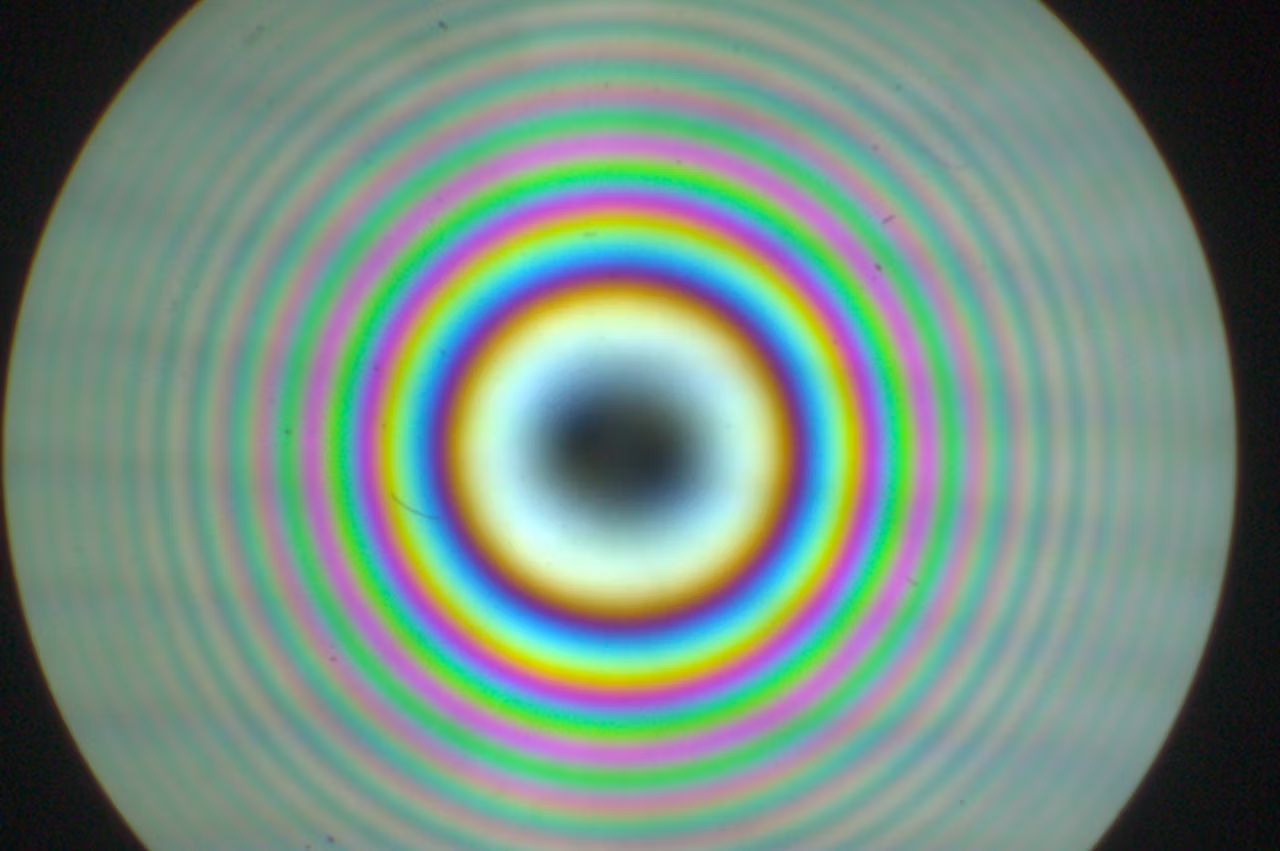
Conoscopy is used to investigate interference figures. Their shape and the modification achieved by compensators yields information about the optical properties of the investigated material. You can determine the number of optical axes, the angle(s) of optical axes and the optical character of the material.
The Leica DM4 P is ideally suited to conoscopy

- Strain-free objectives with high magnification and high numerical aperture are a must for this application.
- Use special 63x Leica objectives that fulfil the highest requirements of polarization class 5 to obtain optimal results.
Three different systems for polarization microscopy

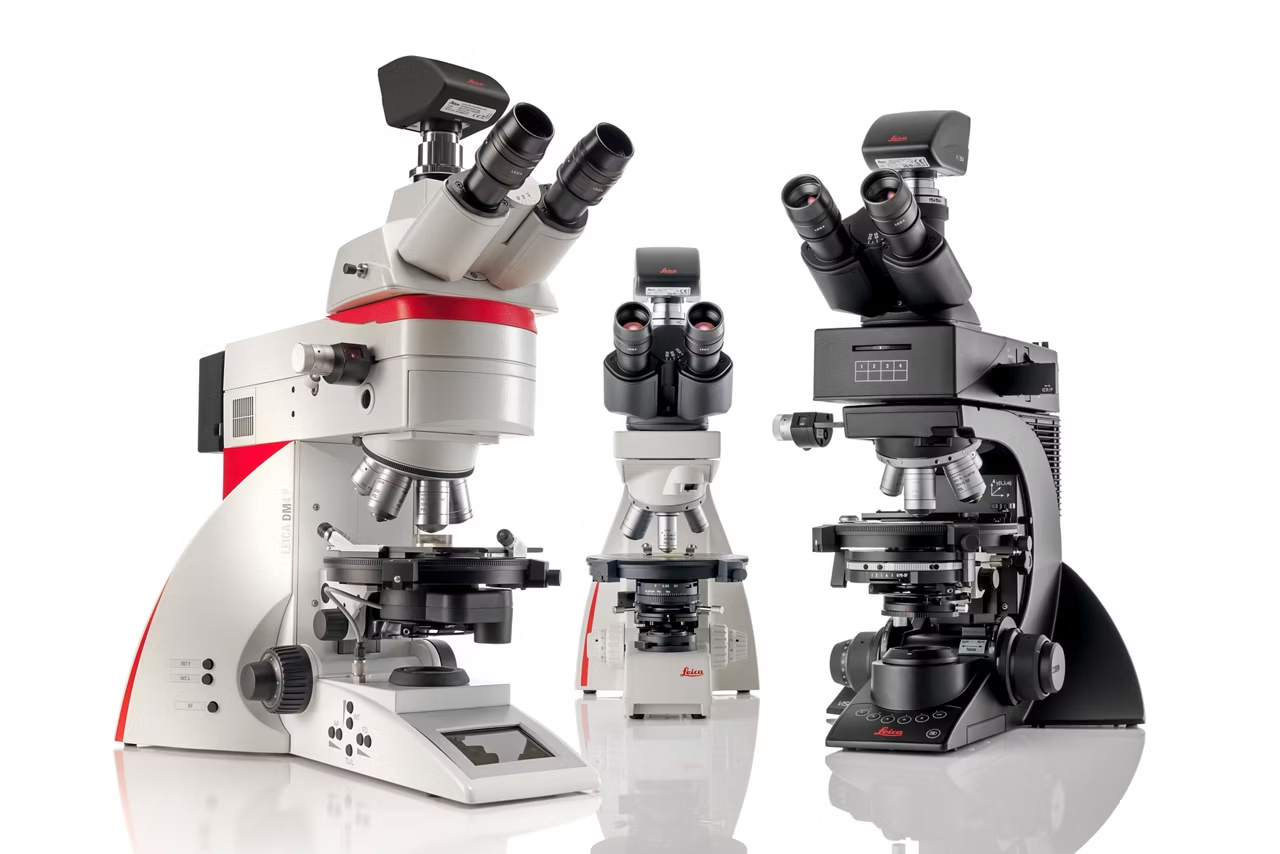
Depending on your application, you can choose from three different systems for polarization microscopy
- The fully coded and semi-automated Leica DM4 P
- The robust Leica Visoria P
- The educational microscope Leica DM750 P
Leica DM4 P
Flexible according to your tasks, safe and easy in operation through coded functionalities for research, inexperienced operators, or multiple-user environments.
- Coded 6-fold centerable nosepiece
- Illumination and contrast management for reproducible results
- Coded conoscopy with 1.6x magnification changer
- LED illumination
- Status display
- 360° rotating stage with and without 45° click stop
- Strain-free optics
- Broad range of polarization equipment
- Fixed and variable compensators according to DIN 58879
Your choice: Leica Visoria P
Streamline your workflows with encoded functions, optimised light settings, and other microscope features. You can also be more comfortable and minimise strain thanks to the microscope's ergonomic design.
- Coded 5-fold centerable nosepiece
- UC-3D illumination
- Illumination management for reproducible results
- Colour-coded diaphragm assistant
- Built-in focus stops
- 3-gear focus drive
- LED illumination
- Broad range of conoscopy modules
- Strain-free optics
- 360° rotating stage with and without 45° click stop
- Broad range of polarization equipment
- Fixed and variable compensators according to DIN 58879
Your choice: Leica DM750 P
It's practical, flexible, robust and makes learning fun!
- Integrated handle and cord wrap for easy storage
- Integrated storage positions for 2 compensators and objective centring tools for easy access
- Large 178-mm rotating stage for easy viewing of the stage markings
- Laser-engraved stage markings for long-term use
- 4 individually centreable objective positions for rotating the specimen on centre
Crystal Clear
Get Optimal Results

Depending on your application, you can choose from three different systems for polarization microscopy
There will be Light!

LED lights your samples homogeneously and at a constant color temperature, providing you with a realistic impression of your sample
Get your Nosepiece Around it!

Get different sample information from different magnifications of the 6-objective nosepiece
Investigate Optical Properties

Use special 63x Leica objectives that fulfill the highest requirements of polarization class 5 to obtain optimal results
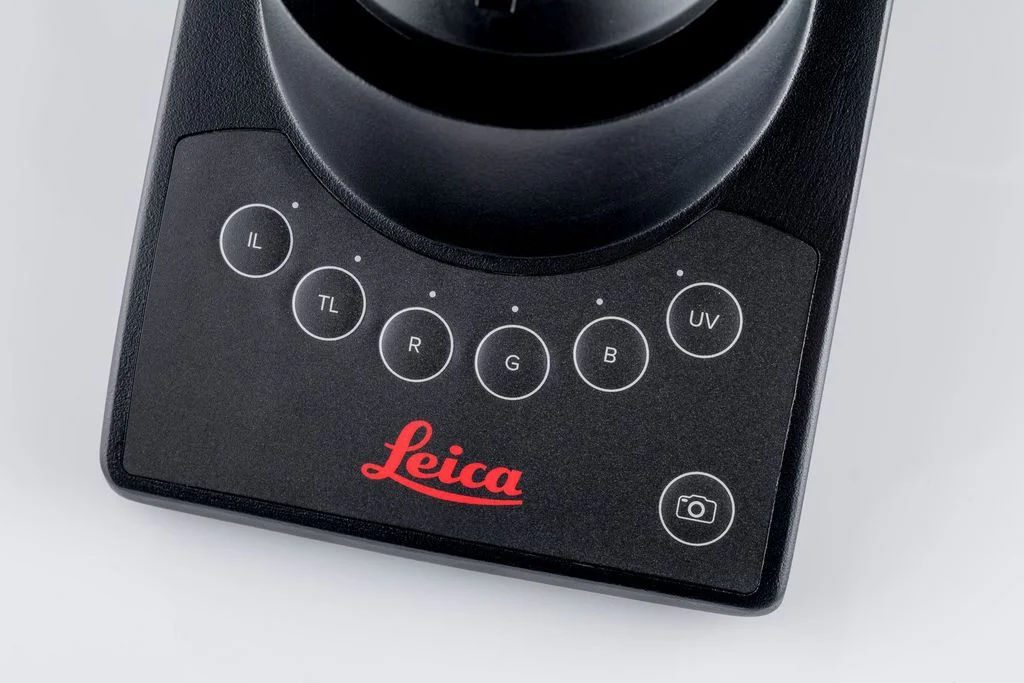
Visoria P Polarization Microscope
Leica Visoria P Polarization Microscope for investigating birefringent materials with encoded functions and ergonomic design. Request a quote.