Bioprocess Monitors
Need help designing your solution?
Request a Quote
Features
Essential Features of Our Bio Process Monitors
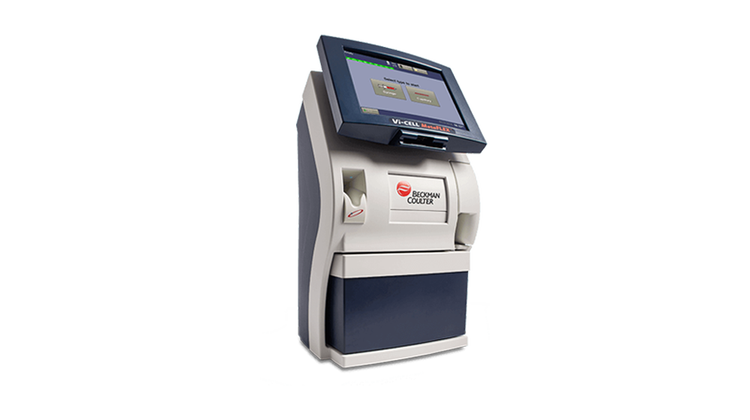
- These monitors excel in performance, quality, and durability, making them outstanding choices for various R&D, QC, and manufacturing applications. With rapid results delivered, a small sample volume requirement for all parameters, and the ability to process many samples in a short time, they ensure fast and efficient throughput without compromising accuracy.
- To maintain quality, our monitors incorporate several features. They offer dedicated QC solutions and perform automatic failure detection and resolution, ensuring reliable and error-free analysis. Continuous system and analysis checks enhance data integrity, while the automatic lockout of the parameter(s) that fail QC safeguards against compromised results. The customizable QC schedule allows for tailored quality management according to specific requirements.
- Designed for micro to large-scale cell culture applications, our metabolite analyzers are robust and dependable instruments for rapid and accurate bioanalyte analysis. They meet the demanding needs of research, quality control, and manufacturing, supporting critical processes and driving efficient and reliable outcomes.
Applications
Bio Process Monitors Applications
- These bioprocess monitoring instruments serve as powerful tools for monitoring cell culture parameters, enabling comprehensive analysis of cell media health in various applications.
- In antibody analysis, our monitors assist in evaluating and maintaining the health and productivity of cell cultures, enabling researchers to optimize conditions and enhance antibody production. In vaccine and therapy development, they play a crucial role in monitoring the metabolic activity and overall health of cell cultures, ensuring the consistency and quality of the final products.
- They help in streamlining bioprocess monitoring for scale, offering efficient and reliable solutions for large-scale applications.
- Our bioanalyte analyzers enable comprehensive analysis of whole blood by measuring a wide range of parameters, including pH, pO2, pCO2, glucose, lactate, electrolytes, and more, providing valuable insights for accurate blood analysis.
- They find extensive applications in various fields, leveraging its capabilities to analyze mammalian and insect cell culture media and detect subtle changes in metabolic activity across different cell types.
- With their fast and accurate analysis, these instruments empower researchers and manufacturers to make informed decisions, troubleshoot issues, and optimize bioprocesses.
What is the importance of bioprocess monitoring and control?
Bioprocess monitoring and control are crucial for ensuring consistent and high-quality bioproduction. By closely monitoring key parameters such as pH, temperature, nutrient levels, and oxygen availability in real-time, researchers and manufacturers can promptly detect and address deviations or fluctuations that may impact cell growth and product quality. Real-time monitoring enables immediate adjustments to process conditions, ensuring optimal environments for cell growth, metabolism, and product formation. This proactive approach minimizes the risk of process variations, reduces batch-to-batch variability, and enhances overall process consistency, ultimately leading to consistent and high-quality bioproducts.
Additionally, bioprocess monitoring and control allows efficient resource utilization by optimizing nutrient supplementation, oxygenation, and energy consumption, thereby maximizing cell growth and productivity while minimizing wastage. By maintaining precise checks over critical parameters, bioprocess monitoring and control also contribute to process robustness, providing a stable and predictable operating environment.
What are the advantages of real-time monitoring in bioprocesses?
Real-time monitoring offers continuous visibility into the bioprocess, allowing for immediate response to deviations or disturbances. This proactive approach helps in preventing potential issues, reducing downtime, and optimizing resource utilization, resulting in improved process control and productivity.
How can bioprocess monitoring support quality assurance?
Bioprocess monitoring plays a vital role in quality assurance by providing accurate and reliable data on critical process parameters. This information enables researchers and manufacturers to validate and maintain the desired quality attributes of the final product, ensuring consistency, safety, and regulatory compliance throughout the bioproduction process.
What factors should be considered before buying bioprocess control and monitoring systems?
Parameter coverage, accuracy and reliability, scalability and flexibility, data handling and analysis capabilities, user support and training, as well as cost and budget constraints are essential factors to consider before purchasing a bioprocess monitoring tool. Taking these factors into account ensures that you choose a monitoring tool that aligns with your requirements and enables effective monitoring and control of your bioprocess.
What are some advances in process monitoring tools for cell culture bioprocesses?
Over the years, there have been significant advances in process monitoring tools for cell culture bioprocesses. These include the development of online sensors and analyzers, automated data acquisition systems, and advanced data analytics software, enabling real-time and comprehensive monitoring of key parameters such as cell viability, metabolite concentrations, and process parameters.
What are the key parameters monitored in bioprocesses?
The key parameters monitored in bioprocesses typically include pH, dissolved oxygen (DO), carbon dioxide (CO2), glucose, lactate, cell viability, and cell density.