Introduction to High-Throughput Phenotypic Screening

High-throughput phenotypic screening (HTPS) is an experimental strategy that systematically evaluates large numbers of compounds based on their observable effects on cells, tissues, or organisms. This approach emerged as a key tool in drug discovery over the past few decades, evolving alongside advancements in robotics, imaging technologies, and automated data analysis.1
Phenotypic screening is valuable in drug discovery because it captures complex biological responses that reflect disease biology. It focuses on functional outcomes, helping researchers find new mechanisms and compounds with therapeutic potential. That's why high-throughput phenotypic screening complements omics and target-based methods to speed up drug discovery pipelines.1
What Is Phenotypic Screening?
Phenotypic screening evaluates compounds based on their observable effects on cells, tissues, or whole organisms, rather than on a pre-specified molecular target. By focusing on measurable changes in phenotype, such as cell growth, morphology, signaling responses, or metabolism, researchers can identify compounds that produce desirable outcomes, even when the underlying mechanism is unknown.1
This contrasts with target-based screening, which tests compounds against a single predefined molecular target, such as an enzyme or receptor. While precise and mechanism-driven, target-based approaches may miss compounds with complex, multi-pathway effects. Phenotype-driven methods, however, capture the integrated response of biological systems, providing a broader view of the activity of potential therapies.2
The cellular and organism-level readouts of phenotypic screening can also reveal off-target effects and pathways that compensate for the drug's mechanism of action. The resulting physiological context increases the likelihood of identifying compounds that translate effectively into clinical settings.1
High-Throughput Phenotypic Screening vs High-Content Phenotypic Screening
High-throughput phenotypic screening (HTPS) and high-content phenotypic screening (HCS, also called high-content analysis, HCA) are complementary approaches in modern drug discovery, each serving distinct purposes.
HTPS focuses on rapidly testing large compound libraries using relatively simple, often single-parameter readouts, such as cell viability or reporter activity. High-content screening, in contrast, assesses detailed cellular features, including morphology, subcellular localization, and signaling pathway dynamics, producing rich datasets that provide mechanistic insights beyond basic activity.3
The choice between HTPS and HCS depends on the experimental goal. HTPS is ideal for broad compound triaging and early-stage hit discovery, while HCS is better suited for detailed mechanistic studies, secondary screening, and hit-to-lead optimization.3,4
The ideal workflow integrates the two methods. Initial HTPS screens identify candidate compounds, which HCS then analyzes to reveal more detailed phenotypic patterns. This integration is made easier by advances in imaging technology, artificial intelligence, and automation, which significantly accelerate the discovery of novel therapeutics.5
Featured Product
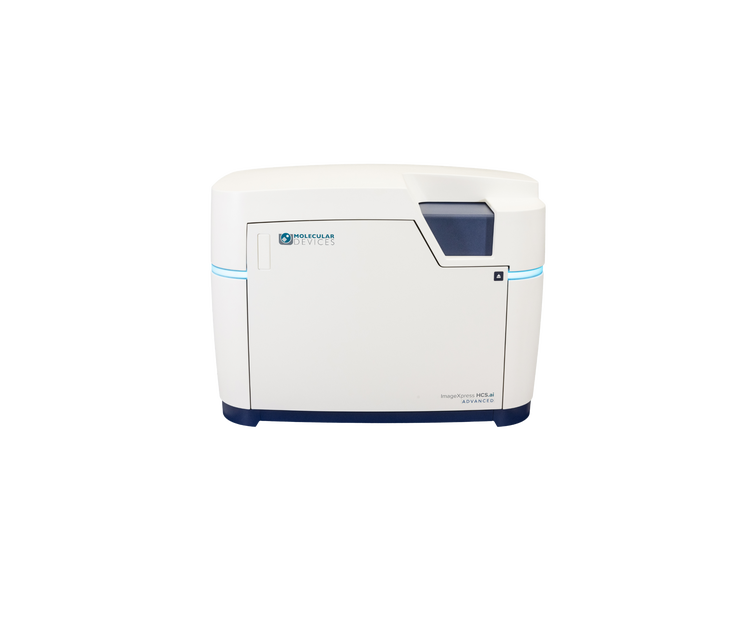
ImageXpress® HCS.ai High-Content Screening System
Chosen because it is an AI-enabled high-content screening imager used to quantify complex cellular phenotypes at scale, tying directly to this page's subject of high throughput phenotypic screening.
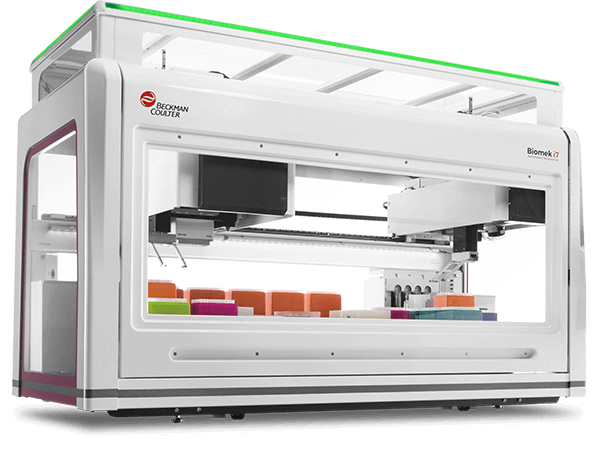
Biomek i7 Automated Workstation
Chosen as a complementary second option because it is an automated liquid-handling workstation used to scale up complex assay and sample-prep workflows, also directly relevant to high throughput phenotypic screening.
Importance of Phenotypic Screening in Drug Discovery
Phenotypic screening is instrumental in drug discovery, identifying active compounds based on their observable effects and streamlining early-stage discovery and candidate prioritization for further development.1
Unlike purely target-centric strategies, phenotypic screening captures the complexity of cellular and organismal biology. Thus, compounds that act through previously unrecognized mechanisms or multiple pathways can be identified. 1
Phenotypic screening has proven highly relevant in the discovery of first-in-class molecules and agents that act on signaling networks, epigenetic regulation, or host-pathogen interactions. The functional readouts generated by high-throughput platforms help researchers explore chemical space more comprehensively, ultimately driving the development of innovative therapies with real translational potential.6
Principle of Phenotype-Based Drug Discovery
The core concept in phenotype-based drug discovery is that functional changes in cells, tissues, or organisms can reveal compounds with therapeutic potential, even when the underlying mechanism is unknown.
A central strength of phenotype-based drug discovery is the ability to uncover novel biological pathways. By observing complex, system-level responses, researchers can infer correlations between molecular signatures and emergent cellular behavior. This opens the door to discovering first-in-class drugs and therapies that modulate intricate biological networks, addressing diseases where conventional approaches have struggled.1
Components of High-Throughput Phenotypic Screening Workflows
High-throughput phenotypic screening workflows rely on coordinated experimental and computational components that enable researchers to evaluate thousands of compounds while efficiently capturing biologically meaningful responses.
Assay Development and Optimization
Assay development begins with selecting an appropriate cellular or organismal model that reflects the biological process or disease phenotype under investigation. Researchers then define measurable endpoints, such as changes in cell morphology, viability, signaling activity, or reporter expression.7
Optimization focuses on improving signal-to-noise ratios, minimizing variability, and establishing conditions that are compatible with high-throughput formats. This step involves adjusting cell density, incubation times, reagent concentrations, and detection methods. Performance and reproducibility are confirmed by testing known positive and negative controls.1
Miniaturization is a critical step for preserving sample resources and improving speed for high-throughput applications. Transitioning assays into microplate formats, such as 384- or 1536-well plates, reduces reagent consumption while allowing thousands of experimental conditions to be tested in parallel. 8,9
High-Throughput Instrumentation
Modern screening facilities often integrate these components into unified workflows, allowing large-scale screening to run continuously with minimal human intervention. This instrument-agnostic approach emphasizes compatibility across different hardware platforms rather than reliance on a specific vendor or system.10
Data Analysis and AI-Based Interpretation
Phenotypic screening generates large, complex datasets, particularly when imaging-based readouts are used. Advanced computational methods are therefore essential for extracting meaningful insights from the data.
Machine learning algorithms can group compounds according to similar phenotypic patterns, revealing clusters of molecules that may share mechanisms of action. These approaches help prioritize hits and identify subtle biological effectsthat might be overlooked with simple statistical analyses.11
Image-based profiling complements these algorithms by quantifying thousands of cellular features from microscopy images. The resulting datasets are used in pattern recognition, uncovering relationships between compound structure, phenotype, and potential biological pathways.4
Applications of High-Throughput Phenotypic Screening
High-throughput phenotypic screening (HTPS) has become a valuable strategy for studying multifactorial diseases and discovering therapeutics that modulate complex biological processes. Areas of application include:
- Oncology, where phenotypic assays can measure tumor cell proliferation, apoptosis, migration, and drug resistance mechanisms12
- Immunology, where phenotypic screening is used to evaluate immune cell activation, cytokine production, and immune-modulatory responses13
- Neuroscience, where assays capture changes in neuronal morphology, synaptic activity, and neurotoxicity14
- Infectious disease research, where assays help identify compounds that inhibit pathogen replication or modulate host–pathogen interactions11
Advances in cellular models have expanded the scope of phenotypic screening. Traditional 2D cultures are now complemented by more realistic 3D cultures, organoids, and co-culture models with multiple cell types. These models better mimic tissue complexity, enabling researchers to observe responses that more closely reflect in vivo conditions.15
High-throughput phenotypic screening is vital in precision medicine. Testing compounds in patient-derived models helps researchers see how biological contexts affect drug response. These studies aid in finding personalized therapies by connecting phenotypic data with multi-omics information approaches.16
Advantages of HT Phenotypic Screening
One of the most important advantages of high-throughput phenotypic screening is its ability to support unbiased discovery. Because compounds are evaluated based on their functional effects rather than interaction with a predefined target, the approach can reveal therapeutic activity arising from previously unknown mechanisms.1
Another major strength is physiological relevance. Phenotypic assays often use intact cells, multicellular systems, or organism-level models, allowing researchers to observe integrated biological responses. These system-level readouts capture interactions between signaling pathways, cellular processes, and environmental factors that may be missed in isolated biochemical assays.1
Limitations of HT Phenotypic Screening
Despite these advantages, HTPS also introduces several challenges. Designing robust assays can be technically demanding, as biological systems may produce variable responses. Careful assay development and validation are required to ensure reproducibility and reliable signal detection.17
The scale of data generated during screening campaigns can also be substantial. High-throughput and imaging-based assays produce large datasets that must be processed, stored, and interpreted using sophisticated analytical tools. Managing this data efficiently is essential for extracting meaningful insights.17
Another challenge lies in deconvolving the mechanism of action (MOA). Because phenotypic screening focuses on observable outcomes rather than predefined targets, additional experiments are often needed to identify the molecular pathways underlying the observed phenotype. This step can require orthogonal assays, genetic perturbation studies, or computational analyses.18
Advances in automation, imaging, and computational analysis can help address these challenges. Combining HTS with high-content imaging platforms allows researchers to measure multiple cellular features simultaneously, improving the resolution of phenotypic data. Complementing this, ML/AI approaches can help identify patterns and clusters in massive phenotypic datasets. 19
In parallel to phenotypic screening, modern target identification techniques, such as CRISPR-based genetic screens, proteomics, and chemoproteomic methods, support more efficient mechanism-of-action studies. Together, these technologies strengthen phenotypic screening workflows and enhance the ability to translate complex biological observations into actionable drug-discovery insights.20,21
See how Danaher Life Sciences can help
FAQ's
What types of assays are commonly used in high-throughput phenotypic screening?
Common assays include cell viability, proliferation, reporter-based, morphological, and pathway-specific readouts. Advanced formats use high-content imaging, 3D cultures, organoids, or co-culture systems to capture complex cellular responses.
How does artificial intelligence or machine learning enhance phenotypic screening data analysis?
AI/ML algorithms cluster compounds based on phenotypic patterns, identify subtle morphological changes, and predict mechanisms of action. They enable high-dimensional image analysis, improve hit prioritization, and reveal relationships that statistical analysis may miss.
What advantages does high-throughput phenotypic screening (HTPS) offer?
HTPS offers unbiased, system-level discovery, captures physiologically relevant responses, and identifies first-in-class molecules. It accelerates the identification of hits while exploring complex biological pathways.
What is the difference between phenotypic screening and target-based screening?
Phenotypic screening evaluates functional outcomes in cells or organisms, while target-based screening tests target engagement by compounds.
What is the difference between fragment-based drug discovery (FBDD) and high-throughput screening (HTS)?
FBDD screens test the ability of small chemical fragments to bind to a target and optimize them into drug candidates through chemical modifications. In contrast, HTS tests libraries of drug-sized compounds directly for functional or target activity.22
References
- Vincent F, Nueda A, Lee J, Schenone M, Prunotto M, Mercola M. Phenotypic drug discovery: recent successes, lessons learned and new directions. Nat Rev Drug Discov 2022;21(12):899-914.
- Tauro S, Dhokchawle B, Nahar D, Nadar S, Thakor E, Mohite P. Target-based vs phenotypic drug discovery: opportunities and challenges with evidence-based application. Drug Discovery Stories 2025:25-45.
- Chin MY, Ang K-H, Davies J, Alquezar C, Garda VG, Rooney B, et al. Phenotypic screening using high-content imaging to identify lysosomal pH modulators in a neuronal cell model. ACS Chem Neurosci 2022;13(10):1505-1516.
- Krentzel D, Shorte SL, Zimmer C. Deep learning in image-based phenotypic drug discovery. Trends Cell Biol 2023;33(7):538-554.
- Schiff L, Migliori B, Chen Y, Carter D, Bonilla C, Hall J, et al. Integrating deep learning and unbiased automated high-content screening to identify complex disease signatures in human fibroblasts. Nat Commun 2022;13(1):1590.
- Froney MM, Jarstfer MB, Pattenden SG, Solem AC, Aina OO, Eslinger MR, et al. Behind the screen: drug discovery using the big data of phenotypic analysis. Front Educ; 2024:1342378.
- Moshkov N, Becker T, Yang K, Horvath P, Dancik V, Wagner BK, et al. Predicting compound activity from phenotypic profiles and chemical structures. Nat Commun 2023;14(1):1967.
- Kumar CA, Peeriga R, Manubolu K, Arige S, Kumar VLV, Devika M. High Throughput Screening (HTS) and Phenotypic Screening. Innovations in Drug Discovery: Routledge; 2026:54-77.
- Hansel CS, Plant DL, Holdgate GA, Collier MJ, Plant H. Advancing automation in high-throughput screening: modular unguarded systems enable adaptable drug discovery. Drug Discov Today Technol 2022;27(8):2051-2056.
- Malinowska JM, Palosaari T, Sund J, Carpi D, Bouhifd M, Weber RJ, et al. Integrating in vitro metabolomics with a 96-well high-throughput screening platform. Metabolomics 2022;18(1):11.
- Linciano P, Quotadamo A, Luciani R, Santucci M, Zorn KM, Foil DH, et al. High-throughput phenotypic screening and machine learning methods enabled the selection of broad-spectrum low-toxicity antitrypanosomatidic agents. J Med Chem 2023;66(22):15230-15255.
- Wang Z, Hulikova A, Swietach P. Innovating cancer drug discovery with refined phenotypic screens. Trends Pharmacol Sci 2024;45(8):723-738.
- Wang H, Li S, Wang Q, Jin Z, Shao W, Gao Y, et al. Tumor immunological phenotype signature-based high-throughput screening for the discovery of combination immunotherapy compounds. Sci Adv 2021;7(4):eabd7851.
- Griffin A, Carpenter C, Liu J, Paterno R, Grone B, Hamling K, et al. Phenotypic analysis of catastrophic childhood epilepsy genes. Commun Biol 2021;4(1):680.
- Lampart FL, Iber D, Doumpas N. Organoids in high-throughput and high-content screenings. Front Chem Eng 2023;5:1120348.
- van Renterghem AW, van de Haar J, Voest EE. Functional precision oncology using patient-derived assays: bridging genotype and phenotype. Nat Rev Clin Oncol 2023;20(5):305-317.
- Berg EL. The future of phenotypic drug discovery. Cell Chem Biol 2021;28(3):424-430.
- Wang X, Zhang M, Xu J, Li X, Xiong J, Cao H, et al. A novel approach for target deconvolution from phenotype-based screening using knowledge graph. Sci Rep 2025;15(1):2414.
- Malandraki-Miller S, Riley PR. Use of artificial intelligence to enhance phenotypic drug discovery. Drug Discov Today Technol 2021;26(4):887-901.
- Calado CR. Bridging the gap between target-based and phenotypic-based drug discovery. Expert Opin Drug Discov 2024;19(7):789-798.
- Gao Y, Ma M, Li W, Lei X. Chemoproteomics, a broad avenue to target deconvolution. Adv Sci 2024;11(8):2305608.
- Xu W, Kang C. Fragment-based drug design: from then until now, and toward the future. ACS Publications; 2025:5000-5004.