










Endocrine Cell Signaling – An Overview
- Endocrine Cell Signaling – An Overview
- The Endocrine System and Secretion
- Mechanism of Endocrine Signaling
- Importance of Endocrine Signaling
- Endocrine Signaling Pathways
- Regulation and Feedback in Endocrine Signaling
- Examples of Endocrine Signaling
- Featured Product
- Physiological and Clinical Significance of Endocrine Signaling
- See how Danaher Life Sciences can help
- FAQ's
- You may be interested in

One of the most astonishing aspects of cell communication is the ability of cells to influence target cells in distant regions of the body. Such long-distance communication, known as endocrine cell signaling, involves specialized cells releasing hormones into the bloodstream to regulate the function of target cells throughout the body. Thus, a single chemical messenger can coordinate complex physiological processes across multiple tissues and organs.1
Endocrine cell signaling is essential because it helps organisms maintain internal homeostasis, supports growth and development, coordinates metabolism, regulates reproduction and enables adaptation to stress. Unlike paracrine signaling, which is transient and localized, hormones secreted by the endocrine system can exert effects over large distances and remain active for extended periods, making this system ideal for sustained, body-wide regulation. They influence processes ranging from glucose homeostasis and blood pressure to immune function and reproductive cycles, making endocrine signaling a cornerstone of multicellular life.1
The Endocrine System and Secretion
The endocrine system comprises a network of glands that secrete hormones to regulate essential physiological functions. Major endocrine organs include: 1
- The pituitary gland, which acts as the master regulator
- The thyroid gland, which controls metabolism
- The pancreas, which governs blood glucose through insulin and glucagon
- The adrenal glands, responsible for stress responses and electrolyte balance
- The reproductive glands (ovaries and testes) produce sex hormones that direct reproductive function and secondary sexual characteristics
Together, these glands maintain homeostasis by coordinating communication between organs.
During endocrine secretion, endocrine cells synthesize and store hormones, releasing them into the circulation system through exocytosis or diffusion. Hormones traveling throughout the body bind to the receptors on the target cells to initiate a response.1
Hormones can be broadly classified into three types:
- Peptide hormones, such as insulin or growth hormone, bind membrane receptors2
- Steroid (lipid-derived) hormones, including cortisol and estrogen, which are derived from cholesterol and diffuse across membranes to bind intracellular receptors3
- Amine/thyroid hormones, such as melatonin and epinephrine, are synthesized from amino acids like tyrosine and tryptophan4
These hormone classes differ in structure, solubility and receptor interactions, shaping the speed and duration of their physiological effects.
Mechanism of Endocrine Signaling
Endocrine signaling follows a coordinated, multi-step process that enables hormones to regulate distant organs.1
- Endocrine cells synthesize and secrete hormones into the bloodstream
- The circulatory system then distributes these hormones throughout the body, allowing them to reach target tissues far from their site of origin
- Hormones bind to specific receptors on or within target cells, initiating a cascade of intracellular signaling that generates a physiological response, such as altered gene expression, enzyme activation or changes in ion transport
There are two main receptor types:
- Cell surface receptors, used by peptide and protein hormones, trigger fast signaling pathways such as second messenger systems (cAMP, IP₃/DAG)5,6
- Intracellular receptors bind steroid and thyroid hormones, which can diffuse across lipid membranes and often act as transcription factors to modulate gene expression directly7
Both types of receptors are hormone-specific, which prevents unprecedented activation. Furthermore, the binding between a hormone and its receptor triggers signal amplification, enhancing the scope of the biological response necessary for systemic coordination.8
Importance of Endocrine Signaling
Endocrine signaling is essential for coordinating the activity of distant organs and physiological systems. By making hormones accessible to the bloodstream, the endocrine system links tissues that would otherwise have no direct means of communication, ensuring that body-wide functions operate in synchrony. It regulates a wide range of biological processes, including:
- Growth and development (growth and thyroid hormones)1
- Metabolism (insulin, glucagon, cortisol)1
- Reproduction (testosterone, estrogen)1
- Adaptation to stress and environmental changes (cortisol and adrenaline)1
Collectively, these hormones orchestrate multi-organ pathways that unfold over extended periods, guiding structural maturation, energy balance and fertility, while adjusting energy mobilization and cardiovascular output in response to stressors. They also stabilize internal variables, such as blood glucose, body temperature and electrolyte levels, to maintain homeostasis despite fluctuations both internally and externally.1
Endocrine Signaling Pathways
Endocrine cell signaling can operate through simple or complex pathways, depending on the number of organs and regulatory steps involved.
- Simple pathways rely on direct hormone release in response to a specific stimulus9
- Complex pathways involve multi-organ cascades coordinated through feedback mechanisms to maintain precise hormonal balance
Simple Endocrine Pathway
A simple endocrine pathway consists of a single endocrine gland that detects a physiological change and directly secretes a hormone to correct it, without the involvement of intermediary regulators.
A classic example of simple endocrine signaling is the insulin response to elevated blood glucose. When glucose levels rise, for instance, after a meal, pancreatic β-cells detect the change and secrete insulin into the bloodstream. Insulin binds to receptors on muscle and adipose cells, stimulating glucose uptake to restore normal blood glucose levels.9
Complex Endocrine Pathways
Complex endocrine pathways involve multiple regulatory steps and feedback loops that refine hormonal output. These pathways coordinate more complex physiological processes that require rigorous monitoring.
The best-known example is the hypothalamic–pituitary–target gland axis. In this system, the hypothalamus releases signals that instruct the pituitary gland to release specific hormones. The pituitary then sends tropic hormones to regulate other endocrine glands, including the thyroid, adrenal glands or gonads, which finally produce the hormones that act on target tissues. As hormone levels rise, they send negative feedback signals back to the hypothalamus and pituitary to prevent overproduction. The purpose of this axis is to provide precise, layered control over major bodily functions, including metabolism, stress responses, growth and reproduction.10
Regulation and Feedback in Endocrine Signaling
Endocrine signaling, especially the complex type, is tightly regulated through feedback mechanisms that keep hormone levels within optimal ranges. Examples of the feedback mechanisms include:
- Negative feedback: Rising hormone levels suppress further hormone release to prevent overproduction. For instance, elevation in thyroid hormones (T₃/T₄) leads to the inhibition of thyrotropin-releasing hormone (TRH) and thyroid-stimulating hormone (TSH) in the hypothalamic–pituitary–thyroid axis to stabilize metabolism11
- Positive feedback: Hormone production is amplified in response to a stimulus. One example is the increased secretion of luteinizing hormone (LH), triggered by rising estrogen levels during ovulation12
- Clearance mechanisms: Hormones can be degraded by enzymes in tissues, broken down in the liver or excreted via the kidneys to control circulatory hormone levels13
Examples of Endocrine Signaling
Several examples demonstrate how endocrine signaling orchestrates growth, development, metabolism, stress responses and overall homeostasis, ensuring coordinated function across the human body.
The release of insulin from the pancreas into the bloodstream in response to rising blood glucose levels promotes glucose uptake in tissues and restores blood sugar levels.9
- Thyroid hormones (T3 and T4) control basal metabolism, oxygen consumption and heat generation10
- Stress-driven cortisol release, which mobilizes energy stores, modulates immune function and helps the body adapt to physical or psychological challenges14
- Estrogen production to regulate reproductive cycles and secondary sexual characteristics15
- Adrenaline release during acute stress, which induces the fight-or-flight response by increasing heart rate, dilating airways and rapidly mobilizing energy16
Featured Product
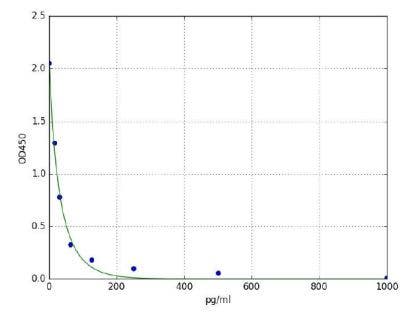
Estrogen ELISA Kit(AB285313)
Chosen because it is a quantitative ELISA kit for measuring estrogen (estradiol) hormone levels, tying directly to this page's subject of endocrine cell signaling.
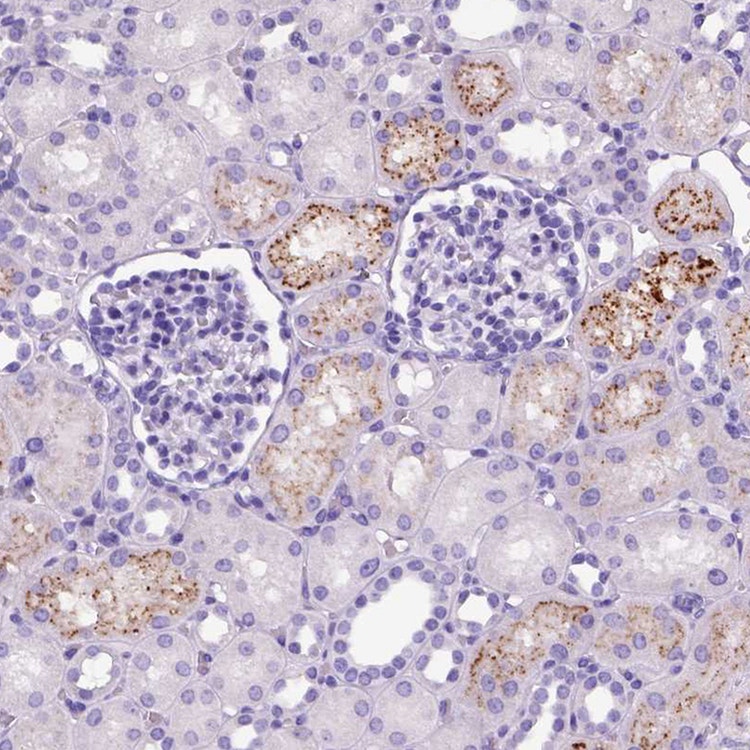
Anti-IGF2 antibody(AB262911)
Chosen as a complementary second option because it is an antibody against IGF2, a key endocrine/paracrine growth-signaling ligand, also directly relevant to endocrine cell signaling.
Physiological and Clinical Significance of Endocrine Signaling
The long-distance communication facilitated by endocrine signaling is crucial for maintaining internal balance and coordinating bodily functions. Hormone synthesis is at the core of this mechanism, leveraging circulation to access target cell receptors in distant regions, thereby eliciting both rapid stimulus-response relationships and multi-step hormonal pathways.
Clinically, disruptions in these pathways, resulting from hormone deficiencies, excesses, or receptor defects, can lead to various disorders.
- Diabetes mellitus: Caused by insufficient insulin production (Type 1) or insulin resistance (Type 2), leading to chronic high blood sugar17
- Hypothyroidism: Due to low thyroid hormone levels, causing fatigue, weight gain and slowed metabolism18
- Hyperthyroidism/Graves’ disease: Excess thyroid hormones resulting in weight loss, rapid heartbeat and anxiety19
- Polycystic ovary syndrome (PCOS): Hormonal imbalance affecting the levels of estrogen, progesterone and androgens, leading to irregular menstruation and infertility20
- Addison’s Disease: Insufficient levels of cortisol and aldosterone, leading to fatigue, low blood pressure, muscle cramps and upset stomach21
- Cancer: malfunction and uncontrolled growth of endocrine cells can lead to thyroid cancers and pancreatic neuroendocrine tumors, which severely disrupt metabolism22,23
See how Danaher Life Sciences can help
FAQ's
References
- Campbell M, Jialal I. Physiology, endocrine hormones. StatPearls [Internet]: StatPearls Publishing; 2022.
- Coassolo L, Wiggenhorn A, Svensson KJ. Understanding peptide hormones: from precursor proteins to bioactive molecules. Trends Biochem Sci 2025.
- Matsuyama S, DeFalco T. Steroid hormone signaling: Multifaceted support of testicular function. Front Cell Dev Biol 2024;11:1339385.
- Ubuka T. Amines. Handbook of Hormones: Elsevier; 2021:1035-1036.
- Bolger GB. The cAMP-signaling cancers: Clinically-divergent disorders with a common central pathway. Front Endocrinol (Lausanne) 2022;13:1024423.
- Fletcher PA, Sherman AS. Calcium signaling in context: case studies in endocrine cells. Calcium Signals: From single molecules to physiology: IOP Publishing Bristol, UK; 2023:10-1-10-14.
- Fan H, Fernando SR, Jiang L, Wang Z, Kodithuwakku SP, Wong CK, et al. Bisphenol A analogues suppress spheroid attachment on human endometrial epithelial cells through modulation of steroid hormone receptors signaling pathway. Cells 2021;10(11):2882.
- Townsend LK, Steinberg GR. AMPK and the Endocrine Control of Metabolism. Endocr Rev 2023;44(5):910-933.
- Saltiel AR. Insulin signaling in health and disease. J Clin Inves 2021;131(1).
- Feldt-Rasmussen U, Effraimidis G, Klose M. The hypothalamus-pituitary-thyroid (HPT)-axis and its role in physiology and pathophysiology of other hypothalamus-pituitary functions. Mol Cell Endocrinol 2021;525:111173.
- Jing L, Zhang Q. Intrathyroidal feedforward and feedback network regulating thyroid hormone synthesis and secretion. Front Endocrinol (Lausanne) 2022;13:992883.
- Kauffman AS. Neuroendocrine mechanisms underlying estrogen positive feedback and the LH surge. Front Neurosci 2022;16:953252.
- Bergman RN, Kabir M, Ader M. The physiology of insulin clearance. Int J Mol Sci 2022;23(3):1826.
- Knezevic E, Nenic K, Milanovic V, Knezevic NN. The role of cortisol in chronic stress, neurodegenerative diseases, and psychological disorders. Cells 2023;12(23):2726.
- Chen P, Li B, Ou-Yang L. Role of estrogen receptors in health and disease. Front Endocrinol (Lausanne) 2022;13:839005.
- Lo Martire V, Berteotti C, Zoccoli G, Bastianini S. Improving sleep to improve stress resilience. Curr Sleep Med Rep 2024;10(1):23-33.
- Yameny AA. Diabetes mellitus overview 2024. J Biosci Appl Res 2024;10(3):641-645.
- Feldt-Rasmussen U, Effraimidis G, Bliddal S, Klose M. Consequences of undertreatment of hypothyroidism. Endocrine 2024;84(2):301-308.
- Kim S-M, Ryu V, Miyashita S, Korkmaz F, Lizneva D, Gera S, et al. Thyrotropin, hyperthyroidism, and bone mass. J Clin Endocrinol Metab 2021;106(12):e4809-e4821.
- Stener-Victorin E, Teede H, Norman RJ, Legro R, Goodarzi MO, Dokras A, et al. Polycystic ovary syndrome. Nat Rev Dis Prim 2024;10(1):27.
- Carsote M, Nistor C. Addison’s disease: Diagnosis and management strategies. Int J Gen Med 2023:2187-2210.
- Mousa SA, Hercbergs A, Lin H-Y, Keating KA, Davis PJ. Actions of thyroid hormones on thyroid cancers. Front Endocrinol (Lausanne) 2021;12:691736.
- Maharjan CK, Ear PH, Tran CG, Howe JR, Chandrasekharan C, Quelle DE. Pancreatic neuroendocrine tumors: molecular mechanisms and therapeutic targets. Cancers (Basel) 2021;13(20):5117.
