Apoptosis Inducers: Understanding Programmed Cell Death in Modern Research

Introduction to Apoptosis and Programmed Cell Death
In multicellular organisms, millions of cells die daily through apoptosis to maintain tissue balance. This process shapes organs during development and removes damaged cells to prevent build-up. Dysregulation links to diseases like cancer, neurodegenerative diseases, autoimmune conditions and cardiovascular issues. Molecules that trigger or modulate apoptosis, called apoptosis inducers, are vital in research and therapy to address impaired apoptosis.1
What Is Programmed Cell Death and Why Does It Matter in Life Sciences
Programmed cell death (PCD) is a biological process through which cells induce their own elimination. Rather than being a passive consequence of damage, this process is tightly regulated and driven by intracellular signaling pathways. Understanding PCD is critical in many life sciences applications.2
- Developmental biology: PCD sculpts tissues and organs during development. A well-known example is the separation of fingers during embryogenesis.3
- Cancer research: Tumor cells often evade apoptosis, allowing uncontrolled growth. Restoring apoptotic pathways is a major strategy in oncology.4
- Drug discovery: Many anticancer agents act by activating apoptosis in diseased cells.5
- Immunology: PCD removes infected or autoreactive immune cells, preventing chronic inflammation and autoimmunity.6
Cell Apoptosis vs Other Forms of Cell Death
Apoptosis, a well-studied form of PCD, is a vital, energy-dependent process involving caspases, mitochondria, DNA fragmentation and cell clearance. It occurs without damaging the surrounding tissue through phagocytosis.2 Although apoptosis is a well-known form of programmed cell death, cells can also die via necrosis and autophagy-associated death, which differ in their regulation, morphology and effects.
Apoptosis vs Necrosis
Apoptosis is tightly regulated and requires metabolic activity to induce cell death. Because its cellular contents stay within apoptotic bodies, inflammation is avoided. In contrast, necrosis is often caused by toxins or trauma, leading to cell rupture, release of contents, triggering inflammation and tissue damage.2
Apoptosis vs Autophagy
Although both apoptosis and autophagy maintain balance, they differ in mechanisms and goals. Autophagy helps cells survive by degrading and recycling damaged organelles and proteins via lysosomal pathways during stress, such as nutrient deprivation. Conversely, apoptosis involves the complete elimination of irreparably damaged cells and contents damaged.2
What Are Apoptosis Inducers?
Definition and Core Characteristics of Apoptosis Inducers
Apoptosis inducers are a collection of therapeutic modalities that trigger the signaling pathways responsible for programmed cell death. Rather than causing random cellular destruction, they activate apoptotic pathways that culminate in controlled cell elimination. Apoptotic inducers include small molecules, peptides, antibodies or radiation therapy.7
How Apoptosis Inducers Differ From Cytotoxic Agents
A cytotoxic agent is any molecule that kills damaged cells, regardless of mechanism. Apoptotic inducers specifically trigger programmed cell death pathways. Though many apoptosis inducers are cytotoxic, not all cytotoxic agents induce apoptosis; some mainly cause necrosis or non-specific damage.8
Why Researchers Use Apoptosis Inducers in Experimental Models
Apoptosis inducers are widely used to study cell death and disease mechanisms. They trigger specific pathways, allowing researchers to analyze signaling networks, identify regulatory proteins and assess how genetic or drug changes affect cell fate. Examples of their use are listed below.7
- Cancer research: help model how tumor cells respond to therapy and how resistance mechanisms arise7
- Toxicology: used to distinguish regulated cell death from damage caused by toxins9
- Developmental and cell biology: support the investigation of how cell populations are shaped and maintained10
- Drug discovery workflows: drugs are screened for their ability to drive apoptosis in diseased cells while sparing healthy tissue5
Biological Mechanisms That Induce Apoptosis
Overview of Apoptotic Pathways
Two major pathways initiate apoptosis: the intrinsic (mitochondrial) pathway and the extrinsic (death receptor) pathway. These mechanisms converge on a core execution machinery centered on caspases, the proteases that dismantle the cell in an orderly manner. The Bcl-2 family of proteins is critical for regulating apoptosis, thereby maintaining homeostasis.11
Intrinsic (Mitochondrial) Apoptotic Pathway
Intracellular stress signals, such as DNA damage or oxidative stress, activate pro-apoptotic proteins (e.g., BAX and BAK) and increase mitochondrial outer membrane permeability. Permeabilization results in the release of cytochrome c into the cytoplasm, which activates caspase pathways that induce DNA fragmentation, cytoskeletal breakdown and the formation of apoptotic bodies.11
Extrinsic (Death Receptor) Apoptotic Pathway
The extrinsic pathway is initiated by the engagement of death receptors (DRs) in the tumor necrosis factor (TNF) receptor superfamily by extracellular ligands. The ligand-receptor interaction leads to the formation of the death-inducing signaling complex (DISC), which comprises initiator caspases that link the extrinsic pathway to mitochondrial involvement.11
Featured Product
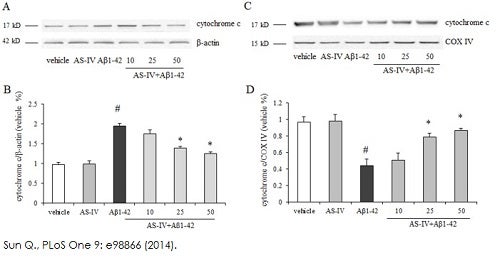
Cytochrome c Release Assay Kit(ab65311)
Chosen because it is an assay kit that directly measures cytochrome c release from mitochondria, the hallmark event of intrinsic apoptosis, tying directly to this page's subject of apoptosis inducers programmed cell death.
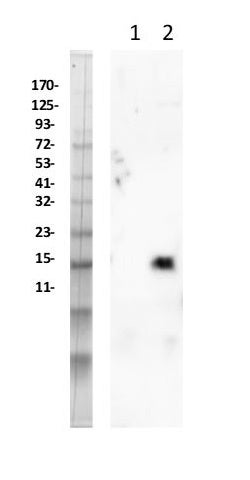
Anti-Cleaved Caspase-3 antibody(AB2302)
Chosen as a complementary second option because it is an antibody specific to the active, cleaved form of caspase-3, the executioner protease of apoptosis, also directly relevant to apoptosis inducers programmed cell death.
Role of Caspase Activators in Cell Apoptosis
What Are Caspase Activators?
Caspases are central executors of apoptosis. Their activation indicates the irreversibility of cell damage and the inevitability of programmed cell death. Caspase activators are molecules that initiate or amplify the caspase activity responsible for apoptosis. At the same time, cells can form multiprotein complexes that activate caspases.12
Initiator vs Executioner Caspases
Caspases are divided into initiator and executioner groups based on their role in apoptosis. Initiator caspases, such as caspase-8 and caspase-9, respond to signals and activate downstream executioner caspases, such as caspase-3, caspase-6 and caspase-7, which drive apoptotic changes.12
Caspase Activation as a Hallmark of Apoptosis
Caspase activation is widely considered a biochemical hallmark of apoptosis. The presence of cleaved caspases or their substrates, such as poly(ADP-ribose) polymerase (PARP), provides strong evidence that cells are undergoing programmed rather than accidental death.12
Measuring Caspase Activity in Research Settings
Caspase activity can be quantified through:13
- Fluorometric or luminescent assays using caspase-specific substrates
- Immunoblotting to detect cleaved caspases or their substrates
- Flow cytometry-based assays
- Imaging techniques that monitor caspase-dependent reporters
Understanding Pro-Apoptotic Proteins
Pro-apoptotic factors drive programmed cell death by removing damaged, stressed or malignant cells. Many, such as BAX, BAK and BH3-only proteins in the BCL-2 family, respond to stress by inducing mitochondrial outer membrane permeabilization, a key step in apoptosis.14 Tumor suppressors like p53 also promote apoptosis by activating related gene pathways.15
Balance Between Pro-Apoptotic and Anti-Apoptotic Signals
Apoptosis is regulated by a balance between pro- and anti-apoptotic proteins to prevent unwanted cell destruction. Anti-apoptotic BCL-2 family members, like BCL-2, BCL-XL and MCL-1, maintain mitochondrial integrity and inhibit BAX and BAK activation. Disruption of this balance leads to disease: excessive pro-apoptotic activity causes degeneration, while persistent anti-apoptotic signaling promotes cancer survival and therapy resistancce.14
Cellular Stress Signals That Trigger Apoptosis Inducers
Several upstream triggers, including DNA damage, oxidative stress, endoplasmic reticulum stress, hypoxia and growth factor deprivation, can activate pro-apoptotic proteins. In research settings, these conditions can be introduced to cell cultures to study apoptotic mechanisms in disease models.16
Types of Apoptosis Inducers Used in Research
Several types of apoptosis inducers are used to study apoptosis in cell models and to develop therapeutics that target dysregulated apoptosis. These can be chemical or biological molecules, as well as environmental stressors.
Chemical and Small-Molecule Apoptosis Inducers
Small molecules target specific regulatory proteins or create intracellular stress to activate apoptotic pathways. Examples include: 5
- Drugs that disrupt mitochondrial integrity
- Inhibitors of anti-apoptotic BCL-2 family proteins
- Kinase inhibitors that inhibit survival-related signaling
- Nanomaterial-based synthetic apoptotic bodies17
Biological Apoptosis Inducers
Biological apoptosis inducers include:
- Death receptors, such as Fas ligand or TRAIL, which activate the extrinsic pathway18
- Antibodies that bind and recruit death receptors7
- Gene delivery methods that overexpress pro-apoptotic proteins or silence survival factors19
Environmental and Experimental Stress-Induced Apoptosis
Physical and environmental stressors are widely used to provoke apoptosis by challenging cellular homeostasis.20
DNA Damage–Driven Apoptotic Responses
Agents such as ultraviolet or ionizing radiation and certain genotoxic compounds activate DNA damage response pathways that promote the expression of pro-apoptotic genes and suppress survival signals, steering the cell toward programmed death to prevent the propagation of genomic instability.21
Oxidative Stress and Mitochondrial Pathway Activation
Oxidative stress arises from excessive reactive oxygen species, which damage lipids, proteins and DNA. Elevated oxidative stress disrupts mitochondrial function and promotes activation of pro-apoptotic BCL-2 family proteins, leading to mitochondrial membrane permeabilization and release of apoptotic factors.22
Studying Disease Mechanisms Through Cell Apoptosis Models
Apoptosis inducers are vital tools in various life sciences fields because they enable controlled activation of programmed cell death pathways. Since apoptosis is crucial in many diseases, apoptosis inducers are essential for modeling disease processes both in vitro and in vivo.
- Cancer research: help scientists understand how tumor cells evade cell death and how resistance to therapy develops8
- Neurodegenerative disease studies: controlled induction of apoptosis is used to examine how neuronal loss contributes to disease progression23
- Immunology and autoimmune research: apoptosis models clarify how defective cell clearance or excessive cell death affects immune regulation6
Drug Discovery and Screening Applications
Apoptosis inducers are widely used in drug discovery to identify and characterize compounds that selectively trigger death in diseased cells, such as cancer cells, while sparing healthy tissue.5
Evaluating Drug-Induced Apoptotic Pathways
Furthermore, apoptosis assays help determine the mechanism of action of other investigational drugs. Monitoring caspase activation, mitochondrial membrane changes or DNA fragmentation enables researchers to distinguish apoptosis from other forms of cell death, supporting predictions of efficacy and potential side effects.24
Role of Apoptosis Inducers in Diagnostic Research
Apoptosis inducers are used to assess how patient-derived cells respond to specific stimuli, providing information about disease state, treatment sensitivity or resistance mechanisms. In oncology, for example, measuring apoptotic responses in tumor samples can support biomarker development and personalized treatment strategies.25
The Role of Apoptosis Inducers in Biomedical Research
Apoptosis inducers are crucial for studying cell death mechanisms and developing therapies. They model diseases, find drug targets and evaluate treatments, especially in cancer and degenerative diseases. These agents allow controlled activation of cell death pathways, aiding biological understanding and translational research.11
Experimental Approaches to Study Apoptotic Pathways
Apoptosis detection relies on identifying hallmark features such as caspase activation, DNA fragmentation, membrane changes and characteristic cell morphology.
Common Assays Used to Detect Apoptosis
Caspase Activity Assays
Caspase assays use fluorometric or luminescent substrates that are cleaved by active caspases, providing a quantitative measure of apoptotic signaling. Immunoblotting is also widely used to confirm caspase activity.13
DNA Fragmentation and Cell Morphology Analysis
Apoptotic cells display DNA fragmentation and distinct morphological features, including chromatin condensation, cell shrinkage and membrane blebbing. Techniques such as TUNEL (Terminal deoxynucleotidyl transferase dUTP nick end labelling) assays and microscopic evaluation help identify these changes.26
Imaging and Microscopy Techniques for Apoptosis Research
Annexin V staining, mitochondrial membrane potential probes and caspase-sensitive reporters are commonly used in fluorescence microscopy to visualize apoptotic markers.27
Tools for Studying Programmed Cell Death
A variety of experimental tools support the study of programmed cell death, including:31
- Biochemical assays for caspase activity
- DNA fragmentation tests
- Flow cytometry-based detection of membrane changes
- Imaging methods to visualize cellular morphology and mitochondrial function
- Genetic tools, such as gene knockdown or knock-in systems, to define the roles of specific regulators
By combining different methods, researchers can accurately characterize apoptotic signaling and distinguish it from other cell death pathways.
Challenges and Considerations When Using Apoptosis Inducers
While apoptosis inducers are powerful research tools, careful experimental design is essential to ensure accurate interpretation of results.
Dose Optimization and Experimental Controls
Selecting the optimal dose and exposure duration is critical. Excessive doses may cause nonspecific toxicity, whereas insufficient doses may activate stress responses without committing cells to death. Time-course experiments, vehicle controls and positive controls using well-characterized apoptosis inducers help establish reliable experimental readouts.21
Distinguishing Apoptosis From Other Cell Death Pathways
Many stimuli can activate overlapping or parallel cell death mechanisms, including necrosis and autophagy-associated cell death. Instead of relying on a single assay, combining multiple assay readouts ensures that apoptosis is the dominant process.
Reproducibility and Validation in Apoptosis Research
Differences in cell line genetics, passage number or environmental conditions can significantly alter apoptotic sensitivity. Reproducibility in apoptosis research requires standardized protocols, consistent cell culture conditions and validation across independent methods.28
FAQ's
What are apoptosis inducers?
Apoptosis inducers are chemical, biological or physical agents that activate the cellular machinery responsible for programmed cell death through regulated molecular pathways.
How does apoptosis trigger programmed cell death?
Apoptosis activates signaling cascades that lead to caspase activation, DNA fragmentation, membrane blebbing and orderly cell dismantling without provoking inflammation.
How do apoptosis inducers activate different apoptotic pathways in cells?
Some inducers cause intracellular stress and mitochondrial dysfunction (intrinsic pathway), while others stimulate death receptors on the cell surface (extrinsic pathway), both converging on caspases.
How are apoptosis inducers used in drug discovery and biomedical research?
Researchers use them to study disease mechanisms, screen therapeutic compounds and evaluate how cells respond to treatments targeting survival or death signaling.
How can researchers distinguish apoptosis from other forms of cell death in experiments?
They combine assays for caspase activity, DNA fragmentation, membrane integrity and characteristic cell morphology to confirm regulated apoptotic processes.
References
- Wang S, Guo S, Guo J, Du Q, Wu C, Wu Y, et al. Cell death pathways: molecular mechanisms and therapeutic targets for cancer. MedComm 2024;5(9):e693.
- Yuan J, Ofengeim D. A guide to cell death pathways. Nat Rev Mol Cell Biol 2024;25(5):379-395.
- Qian Se, Long Y, Tan G, Li X, Xiang B, Tao Y, et al. Programmed cell death: molecular mechanisms, biological functions, diseases, and therapeutic targets. MedComm 2024;5(12):e70024.
- Liu J, Hong M, Li Y, Chen D, Wu Y, Hu Y. Programmed cell death tunes tumor immunity. Front Immunol 2022;13:847345.
- Bai Y, Lam HC, Lei X. Dissecting programmed cell death with small molecules. Acc Chem Res 2020;53(5):1034-1045.
- Place DE, Kanneganti T-D. The innate immune system and cell death in autoinflammatory and autoimmune disease. Curr Opin Immunol 2020;67:95-105.
- Singh P, Lim B. Targeting apoptosis in cancer. Curr Oncol Rep 2022;24(3):273-284.
- Chaudhry G-e-S, Md Akim A, Sung YY, Sifzizul TMT. Cancer and apoptosis: The apoptotic activity of plant and marine natural products and their potential as targeted cancer therapeutics. Front Pharmacol 2022;13:842376.
- Hoffman E, Urbano L, Martin A, Mahendran R, Patel A, Murnane D, et al. Profiling alveolar macrophage responses to inhaled compounds using in vitro high content image analysis. Toxicol Appl Pharmacol 2023;474:116608.
- Wanner E, Thoppil H, Riabowol K. Senescence and apoptosis: architects of mammalian development. Front Cell Dev Biol 2021;8:620089.
- Mustafa M, Ahmad R, Tantry IQ, Ahmad W, Siddiqui S, Alam M, et al. Apoptosis: a comprehensive overview of signaling pathways, morphological changes, and physiological significance and therapeutic implications. Cells 2024;13(22):1838.
- Sahoo G, Samal D, Khandayataray P, Murthy MK. A review on caspases: key regulators of biological activities and apoptosis. Mol Neurobiol 2023;60(10):5805-5837.
- Yadav P, Yadav R, Jain S, Vaidya A. Caspase‐3: A primary target for natural and synthetic compounds for cancer therapy. Chem Biol Drug Des 2021;98(1):144-165.
- Czabotar PE, Garcia-Saez AJ. Mechanisms of BCL-2 family proteins in mitochondrial apoptosis. Nat Rev Mol Cell Biol 2023;24(10):732-748.
- Wei H, Qu L, Dai S, Li Y, Wang H, Feng Y, et al. Structural insight into the molecular mechanism of p53-mediated mitochondrial apoptosis. Nat Comm 2021;12(1):2280.
- Wang Y-C, Wang L-T, Hung TI, Hong Y-R, Chen C-H, Ho C-J, et al. Severe cellular stress drives apoptosis through a dual control mechanism independently of p53. Cell Death Discov 2022;8(1):282.
- Zhou M, Li Y-J, Tang Y-C, Hao X-Y, Xu W-J, Xiang D-X, et al. Apoptotic bodies for advanced drug delivery and therapy. JCR 2022;351:394-406.
- Di Cristofano F, George A, Tajiknia V, Ghandali M, Wu L, Zhang Y, et al. Therapeutic targeting of TRAIL death receptors. Biochem Soc Trans 2023;51(1):57-70.
- Shamaeizadeh A, Beigi A, Naghib SM, Tajabadi M, Rahmanian M, Mozafari M. Smart nanobiomaterials for gene delivery in localized cancer therapy: an overview from emerging materials and devices to clinical applications. Curr Cancer Drug Targets 2025;25(8):892-922.
- Oghbaei H, Hosseini L, Farajdokht F, Rahigh Aghsan S, Majdi A, Sadigh-Eteghad S, et al. Heat stress aggravates oxidative stress, apoptosis, and endoplasmic reticulum stress in the cerebellum of male C57 mice. Mol Biol Rep 2021;48(8):5881-5887.
- Jiao Y, Cao F, Liu H. Radiation-induced cell death and its mechanisms. Health Phys 2022;123(5):376-386.
- Hu C, Zhang X, Zhang N, Wei WY, Li LL, Ma ZG, et al. Osteocrin attenuates inflammation, oxidative stress, apoptosis, and cardiac dysfunction in doxorubicin‐induced cardiotoxicity. Clin Transl Med 2020;10(3):e124.
- Ekundayo BE, Obafemi TO, Adewale OB, Obafemi BA, Oyinloye BE, Ekundayo SK. Oxidative stress, endoplasmic reticulum stress and apoptosis in the pathology of Alzheimer’s disease. Cell Biochem Biophys 2024;82(2):457-477.
- Sazonova EV, Chesnokov MS, Zhivotovsky B, Kopeina GS. Drug toxicity assessment: cell proliferation versus cell death. Cell Death Discov 2022;8(1):417.
- Guo M, Lu B, Gan J, Wang S, Jiang X, Li H. Apoptosis detection: a purpose-dependent approach selection. Cell Cycle 2021;20(11):1033-1040.
- Mirzayans R, Murray D. Do TUNEL and other apoptosis assays detect cell death in preclinical studies? Int J Mol Sci 2020;21(23):9090.
- Beroske L, Van den Wyngaert T, Stroobants S, Van der Veken P, Elvas F. Molecular imaging of apoptosis: the case of caspase-3 radiotracers. Int J Mol Sci 2021;22(8):3948.
- Costigan A, Hollville E, Martin SJ. Discriminating between apoptosis, necrosis, necroptosis, and ferroptosis by microscopy and flow cytometry. Curr Protoc 2023;3(12):e951.
- Tang H, Luo H, Zhang Z, Yang D. Mesenchymal stem cell-derived apoptotic bodies: biological functions and therapeutic potential. Cells 2022;11(23):3879.
- Moldovan C, Onaciu A, Toma V, Munteanu RA, Gulei D, Moldovan AI, et al. Current trends in luminescence-based assessment of apoptosis. RSC advances 2023;13(45):31641-31658.
- Kari S, Subramanian K, Altomonte IA, Murugesan A, Yli-Harja O, Kandhavelu M. Programmed cell death detection methods: a systematic review and a categorical comparison. Apoptosis 2022;27(7):482-508.