Antibody-Drug Conjugates (ADCs)

Summary
Antibody‑drug conjugates (ADCs) are targeted cancer therapies that combine a monoclonal antibody, a potent cytotoxic payload and a chemical linker to deliver drugs selectively to tumor cells. By binding tumor‑specific antigens and releasing the payload intracellularly, ADCs enhance tumor killing while reducing systemic toxicity compared with traditional chemotherapy. Their role in precision oncology continues to grow as advances in antibody engineering, linker stability and payload design improve specificity, safety and therapeutic impact. Ultimately, ADC effectiveness depends on optimized antigen selection, robust linker chemistry, potent payloads and rigorous validation throughout research and development.
Key Points
- ADCs combine an antibody, a potent cytotoxic payload and a linker to deliver drugs selectively to tumor cells
- They target tumor‑specific antigens, enabling intracellular payload release and reducing systemic toxicity versus traditional chemotherapy
- Advances in antibody engineering, linker design and payload potency are driving rapid progress in ADC development
- Success depends on optimized antigen selection, stable linkers and high‑potency payloads, supported by rigorous validation across R&D
Introduction to Antibody-Drug Conjugates
What Are Antibody-Drug Conjugates?
Antibody-drug conjugates (ADCs) are targeted cancer therapies that deliver potent cytotoxic drugs directly to tumor cells. An ADC delivers the cytotoxic drug to cancer cells via a monoclonal antibody that recognizes a cancer-specific antigen. Upon antibody-antigen binding, the drug is internalized and released inside the cancer cell, leading to programmed cell death.1
Unlike traditional chemotherapy, which circulates systemically and affects both cancerous and rapidly dividing healthy cells, ADCs aim to concentrate the therapeutic effect within tumor cells. ADCs have become increasingly important in modern oncology because they combine the specificity of biologics with the potency of small-molecule chemotherapy, offering a more strategic approach to cancer treatment.1
Why ADCs Matter in Precision Oncology
Antibody-drug conjugates align closely with precision oncology by targeting tumor-associated antigens uniquely expressed in patient cancer cells.
Traditional cytotoxic therapies often cause significant off-target toxicity, resulting in adverse effects such as myelosuppression, neuropathy and gastrointestinal damage, which limit dosing and compromise patient quality of life. ADCs address this challenge by directing highly potent drugs specifically to cancer cells, thereby reducing systemic exposure.
Research interest in ADCs has significantly grown owing to advances in antibody engineering, linker stability and payload development. It can become a key modality in precision medicine by enhancing target specificity, optimizing drug-to-antibody ratios and improving pharmacokinetics.
Core Components of Antibody-Drug Conjugates
The Antibody: Targeting the Right Cells
Typically derived from monoclonal antibody technology, the antibody in an ADC is engineered to recognize and bind a specific antigen expressed on the surface of cancer cells.2
Antigen specificity is critical when designing the antibody backbone of an ADC. An ideal target antigen should be highly expressed on tumor cells, minimally expressed on healthy tissues and capable of internalizing upon antibody binding. Efficient internalization allows the ADC to enter the cancer cell, where the cytotoxic payload can be released. Poor specificity may result in limited efficacy or increased off-target toxicity.2
Antibody selection in ADC design also considers affinity, immunogenicity and pharmacokinetics. To that end, humanized antibodies are commonly used to reduce immune reactions and improve clinical tolerability. Stability is yet another key metric. The antibody must not only bind precisely but also maintain structural integrity while carrying a highly potent drug.2
The Payload: Cytotoxic Power
The payload is the active cytotoxic agent attached to the antibody. It must be as potent as possible since a limited number of drug molecules can be conjugated to each antibody.3
Examples of cytotoxic payloads in ADC research include microtubule inhibitors and DNA-damaging agents, which disrupt essential cellular processes and induce apoptosis in tumor cells.3
Selecting the correct payload requires careful balance. Excessive potency may increase the risk of systemic toxicity if premature release occurs, while insufficient potency may reduce therapeutic impact. Other factors include membrane permeability, mechanism of action and the potential for a released drug to diffuse into neighboring tumor cells.3
The Linker: Holding It All Together
The linker is the chemical bridge that connects the antibody to the cytotoxic payload. Its design is fundamental to the safety and effectiveness of the ADC. Linker stability in circulation is essential to prevent premature drug release in the bloodstream, which can lead to systemic toxicity. At the same time, the linker must release the payload efficiently once the ADC is inside the target cell.4
Linkers are generally categorized as 5
- Cleavable - triggered by conditions such as low pH, specific enzymes or reducing environments
- Non-cleavable - requiring complete antibody degradation within the lysosome to release the active drug
A well-designed linker directly influences pharmacokinetics, therapeutic window and overall clinical performance.5
Featured Product
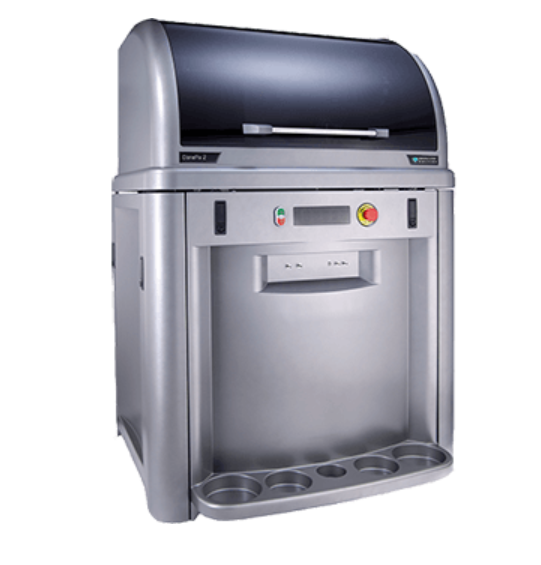
ClonePix® 2 Mammalian Colony Picker
Chosen because it is an automated colony picker used to isolate and expand antibody-producing hybridoma or engineered mammalian clones, tying directly to this page's subject of antibody drug conjugates.
HRP Conjugation Kit - Lightning-Link®(AB102890)
Chosen as a complementary second option because it is a one-step kit for directly conjugating HRP onto antibodies without purification, e.g., for building ADC or detection reagents, also directly relevant to antibody drug conjugates.
Antibody-Drug Conjugates Mechanism of Action
How Do ADCs Work?
The mechanism of action in an antibody-drug conjugate follows these steps:6
- The antibody component recognizes and binds to a specific antigen expressed on the surface of tumor cells
- Once bound, the ADC–antigen complex is internalized into the cell through receptor-mediated endocytosis
- The complex is transported into intracellular compartments such as endosomes and lysosomes
- Inside the cell, the linker is cleaved or the antibody is degraded due to proteolytic enzymes or acidic conditions, resulting in the release of the active cytotoxic payload
From Binding to Cell Death
The controlled release of the cytotoxic payload inside the cell is central to the ADC’s effectiveness. Once free, the payload interferes with essential processes such as mitotic spindle formation or DNA replication. This disruption leads to cell cycle arrest and activation of apoptotic pathways, resulting in cancer cell death.7
Targeted Cancer Payloads in Action
Targeted payload delivery improves therapeutic precision by concentrating highly potent drugs within antigen-expressing tumor cells. Because the cytotoxic agent is largely inactive while attached to the antibody and shielded in circulation, systemic exposure to free drug is minimized. Thus, the targeted antibody-drug conjugate technology reduces damage to healthy, rapidly dividing tissues, which conventional chemotherapeutic agents may perceive as a threat. Although adverse effects can still occur, the therapeutic window is generally improved through selective delivery.1
Targeted payload strategies are crucial for difficult-to-treat cancers, including triple-negative breast cancer (TNBC) or pancreatic ductal adenocarcinoma (PDAC), which are resistant to standard therapies or require highly potent agents.8
ADC Linkers and Payloads Explained
Types of ADC Linkers
Broadly, linkers are classified as cleavable or non-cleavable. Cleavable linkers are engineered to respond to specific intracellular conditions, such as acidic pH within endosomes and lysosomes, tumor-associated enzymes (such as proteases) or reducing environments with high glutathione concentrations. Once exposed to these triggers, the linker breaks apart and releases the active payload. Non-cleavable linkers, in contrast, remain intact until the entire antibody–drug complex is degraded inside the lysosome. The payload is then released as an active metabolite.5
When choosing between cleavable and non-cleavable linkers, researchers must consider pharmacokinetics, bystander effects and the intended therapeutic window.5
Linker Stability in ADCs
Linker stability during systemic circulation is essential for minimizing toxicity. If the linker is unstable, premature release of the cytotoxic payload can occur in the bloodstream, exposing healthy tissues to highly potent drugs.9
Greater stability in the bloodstream strongly correlates with improved tolerability. However, excessive stability that impairs intracellular release can reduce efficacy. Therefore, linker chemistry must strike a balance between maintaining circulatory integrity and ensuring sufficient intracellular drug release.9
Payload Release and Cytotoxic Drug Delivery
Achieving effective intracellular drug concentration is critical because only a limited number of ADC molecules reach each tumor cell. For this reason, payloads are selected for extremely high potency, often active at picomolar concentrations. Optimum delivery requires coordinating antigen selection, internalization efficiency, linker design and payload potency. When these elements are aligned, ADCs can produce strong antitumor activity while maintaining an acceptable safety profile in both research and clinical development settings.10
Scientific and Research Applications of ADCs
ADCs in Drug Discovery Research
Antibody-drug conjugates (ADCs) play a significant role in preclinical cancer research. ADC platforms are used to evaluate novel tumor-associated antigens and determine whether these targets are suitable for selective drug delivery. By conjugating a cytotoxic payload to an antibody targeting a candidate antigen, researchers can determine whether binding and internalization lead to measurable tumor cell killing.11
ADCs are also valuable tools for target validation. If selective cytotoxicity is observed in antigen-positive cells but not in antigen-negative controls, the biological relevance of the target can be verified. In addition, ADC constructs allow investigators to study intracellular trafficking, lysosomal processing and pathway dependencies. These mechanistic insights inform both therapeutic design and broader understanding of tumor biology.12
ADCs in Translational and Clinical Research
In translational oncology research, ADCs help bridge laboratory discoveries with therapeutic applications. Once a target antigen is identified and validated in vitro, ADCs are evaluated in animal models to assess selectivity, pharmacokinetics, biodistribution and toxicity profiles. These studies generate critical data supporting Investigational New Drug (IND) submissions and early-phase clinical trials.13
ADCs also facilitate biomarker-driven research. By correlating antigen expression levels with treatment response, researchers can stratify patient populations and refine inclusion criteria for clinical studies. This aligns with precision oncology strategies that aim to match therapies to patient-unique molecular tumor characteristics. In addition to their standalone use, ADCs can be combined with other therapies to simultaneously inhibit multiple disease-promoting mechanisms.14
Challenges and Considerations in ADC Development
Despite their promise, antibody-drug conjugates (ADCs) face several biological and technical hurdles.
Biological and Technical Challenges
Target heterogeneity poses a major challenge. Tumor cells within the same patient may express varying levels of the target antigen and some subpopulations may lack expression altogether. This variability can reduce overall efficacy and contribute to relapse, as antigen-negative cancer cells survive treatment. Bispecific or multi-specific constructs can recognize two tumor-associated antigens simultaneously, potentially improving selectivity and reducing the risk of tumor escape due to antigen loss.15
Resistance mechanisms also emerge over time. These may include antigen downregulation, impaired internalization, altered lysosomal processing, upregulation of drug efflux pumps or mutations affecting payload sensitivity. Understanding these resistance pathways is essential for improving next-generation ADC designs and combination strategies. To that end, expanding the scope of cytotoxic drugs suitable for antibody-drug conjugation can unlock novel mechanisms of action that intervene in resistance pathways.16,17
ADC stability and pharmacokinetics require careful optimization. Drug-to-antibody ratio, linker chemistry and conjugation method influence circulation time, biodistribution and toxicity.3
Research Tool Quality and Validation
The therapeutic potential and safety of ADCs depend heavily on high-quality antibodies and reagents. Poorly characterized antibodies can compromise antigen specificity, internalization efficiency and overall experimental reproducibility. Therefore, rigorous validation of antibody binding affinity, epitope specificity and cross-reactivity is essential. 18
Reproducibility is another critical consideration. Inconsistencies in conjugation chemistry, payload purity or analytical characterization can lead to variations in drug-to-antibody ratios and unpredictable biological outcomes. Standardized protocols, transparent reporting of conjugation methods and thorough physicochemical characterization improve scalability and research reliability. For instance, site-specific conjugation technologies can produce more homogeneous ADCs with defined drug-to-antibody ratios, ultimately reducing batch variability.19
Validation standards for ADC studies should include antigen expression profiling, internalization assays, linker stability testing and in vitro cytotoxicity evaluation across antigen-positive and antigen-negative controls. Comprehensive documentation of these workflows strengthens confidence in findings and supports successful translation from preclinical research to clinical development.3
Conclusion: The Role of ADCs in Advancing Cancer Research
Key Takeaways on Antibody-Drug Conjugates
Antibody-drug conjugates (ADCs) represent a strategic integration of targeted biologics and highly potent cytotoxic agents, concentrating therapeutic activity within tumor cells while limiting systemic exposure.
Among the structural components, antibody-antigen specificity, linker stability and payload design are especially critical. A stable linker protects the payload during circulation, reducing premature release and off-target toxicity. At the same time, it must efficiently release the drug once inside the cancer cell. Payloads must be exceptionally potent, given the limited number of drug molecules delivered per antibody and their mechanism of action must align with tumor biology.
Supporting Breakthrough Science
The continued evolution of ADCs depends on close collaboration between academic researchers, biotechnology innovators and technology providers. Advancements in antibody engineering, conjugation chemistry, analytical characterization and manufacturing standards require interdisciplinary expertise and shared scientific infrastructure. For that reason, ongoing collaboration and commitment to scientific excellence will be essential for driving the next generation of innovative and dependable ADC-based strategies.
See how Danaher Life Sciences can help
FAQ's
What are antibody-drug conjugates (ADCs)?
Antibody-drug conjugates are targeted therapies that combine a monoclonal antibody with a highly potent cytotoxic drug through a chemical linker to attack cancer cells selectively.
How are ADCs used in cancer research?
In research, ADCs are used for target validation, studying tumor biology, evaluating drug delivery strategies and developing more precise therapeutic candidates in preclinical and translational oncology studies.
How do ADCs work to deliver cytotoxic drugs to targeted cancer cells?
ADCs bind specific tumor antigens, are internalized by cancer cells and release their cytotoxic payload intracellularly, triggering apoptosis while limiting exposure to healthy tissues.
What role do linkers and payloads play in effectiveness?
Linkers control when and where the drug is released, while payloads provide potent tumor-killing activity at very low intracellular concentrations.
Why is linker stability critical?
Stable linkers prevent premature drug release in circulation, improving safety and maintaining selective intracellular delivery.
What challenges do researchers face?
Key challenges include antigen heterogeneity, resistance mechanisms, optimizing pharmacokinetics and ensuring reproducible conjugation and analytical validation.
References
- Dumontet C, Reichert JM, Senter PD, Lambert JM, Beck A. Antibody–drug conjugates come of age in oncology. Nat Rev Drug Discov 2023;22(8):641-661.
- Riccardi F, Dal Bo M, Macor P, Toffoli G. A comprehensive overview on antibody-drug conjugates: from the conceptualization to cancer therapy. Front Pharmacol 2023;14:1274088.
- Buyukgolcigezli I, Tenekeci AK, Sahin IH. Opportunities and challenges in antibody–drug conjugates for cancer therapy: a new era for cancer treatment. Cancers (Basel) 2025;17(6):958.
- Sheyi R, de la Torre BG, Albericio F. Linkers: an assurance for controlled delivery of antibody-drug conjugate. Pharmaceutics 2022;14(2):396.
- Wynn C, Patel R, Hillegass WB, Tang S-C. Increased systemic toxicities from antibody-drug conjugates (ADCs) with cleavable versus non-cleavable linkers: A meta-analysis of commercially available ADCs. ASCO; 2022.
- Tsuchikama K, Anami Y, Ha SY, Yamazaki CM. Exploring the next generation of antibody–drug conjugates. Nat Rev Clin Oncol 2024;21(3):203-223.
- Kepp O, Kroemer G. Immunogenic cell death and bystander killing: expanding the therapeutic potential of modern antibody-drug conjugates. Oncoimmunology 2025;14(1):2533488.
- Yajaman DR, Oh Y, Trevino JG, Harrell JC. Advancing antibody–drug conjugates: precision oncology approaches for breast and pancreatic cancers. Cancers (Basel) 2025;17(11):1792.
- Balamkundu S, Liu C-F. Lysosomal-cleavable peptide linkers in antibody–drug conjugates. Biomedicines 2023;11(11):3080.
- Wang R, Hu B, Pan Z, Mo C, Zhao X, Liu G, et al. Antibody–Drug Conjugates (ADCs): current and future biopharmaceuticals. J Hematol Oncol 2025;18(1):51.
- Ruan DY, Wu HX, Meng Q, Xu RH. Development of antibody‐drug conjugates in cancer: overview and prospects. Cancer Commun 2024;44(1):3-22.
- Xu W, Pan C, He Q, Zhu X, Xiang X. Translational Approaches for Human Pharmacokinetics and Pharmacodynamics Prediction of Antibody-drug Conjugates: Bridging Complexity from Bench to Bedside. Curr Pharmacol Rep 2026;12(1):3.
- Jian A, Zhao G, Zhou J, Wang S, Li N. How to design next-generation of antibody-drug conjugates for cancer treatment: Lessons from unsuccessful clinical trials. Cancer Lett 2025;623:217535.
- Ascione L, Guidi L, Prakash A, Trapani D, LoRusso P, Lou E, et al. Unlocking the potential: biomarkers of response to antibody-drug conjugates. ASCO Educational Book 2024;44(3):e431766.
- Hao X, Wu X, Yang X, Guo H, Yang R. Multi-specific antibody drug conjugate: The next frontier for solid tumors. Chem Eng J 2026:173329.
- Abelman RO, Wu B, Spring LM, Ellisen LW, Bardia A. Mechanisms of resistance to antibody–drug conjugates. Cancers (Basel) 2023;15(4):1278.
- Conilh L, Sadilkova L, Viricel W, Dumontet C. Payload diversification: a key step in the development of antibody–drug conjugates. J Hematol Oncol 2023;16(1):3.
- Perachino M, Blondeaux E, Molinelli C, Ruelle T, Giannubilo I, Arecco L, et al. Adverse events and impact on quality of life of antibody‐drug conjugates in the treatment of metastatic breast cancer: A systematic review and meta‐analysis. Eur J Clin Invest 2025;55(6):e70001.
- Matsuda Y, Chang JR, Mendelsohn BA. Advanced Antibody–Drug Conjugates Design: Innovation in Linker Chemistry and Site‐Specific Conjugation Technologies. ChemBioChem 2025;26(22):e202500305.