Scaling Gene Editing Programs for Therapeutic Use: What Users Are Asking

As gene editing technologies continue to advance toward therapeutic use, scientific innovation alone isn't enough. Platform leaders need to manage rising complexity in reagent selection, analytics, manufacturing scalability and regulatory compliance, all while ensuring they provide reproducible, defendable data suitable for clinical decision making.
These FAQs address the most common challenges teams face when translating CRISPR and next-generation editing into regulated, scalable therapeutic programs.
1. Why is regulatory readiness now considered a scientific requirement in gene editing?
As gene editing moves from discovery to therapeutic development, regulatory expectations are increasingly shaping experimental design. Early decisions about reagents, analytics and workflows have a direct impact on data robustness, manufacturing scalability and clinical timelines. As a result, regulatory readiness has become an integral component of scientific development from the start.
2. How do next generation editing tools change development requirements?
CRISPR systems, including base and prime editors and RNA-targeting methods, broaden therapeutic options but also add complexity. These tools demand stricter control of reagent quality, specificity and reproducibility. Access to cGMP-grade Cas enzymes, gRNAs and plasmid starting material helps reduce variability as programs move towards clinical development.

We see a way to accelerate your GMP mRNA drug product manufacturing timeline by 50%.
Aldevron | mRNA Drug Product Manufacturing
3. What typically limits gene editing programs during translation?
Most programs face challenges beyond just editing efficiency. Common constraints include inconsistent QC, fragmented datasets, assays that cannot scale and a lack of alignment between research-grade workflows and manufacturing or regulatory standards. Scalable analytical platforms and standardized workflows, ranging from flow cytometry based cellular analysis to orthogonal molecular characterization, help address these gaps and support smoother translation.
4. Why are platform based approaches becoming more common in genomic medicine?
Using a standardized platform-based strategy enables teams to unify design, analytics, manufacturing and validation across multiple programs and modalities. This helps minimize variability, supports comparability and decreases risk as gene editing projects progress toward IND filing and clinical stages.
5. How do analytics impact the success of gene editing programs?
Analytics provide the data foundation connecting edit design to biological outcomes and clinical performance. Fast, scalable and reliable analytics are essential for assessing on-target and off-target activity, ensuring reproducibility and meeting growing regulatory requirements. These methods often combine cell‑based analytics with biochemical and molecular characterization methods, including advanced flow cytometry and LC‑MS‑based analysis where appropriate.
Featured Product
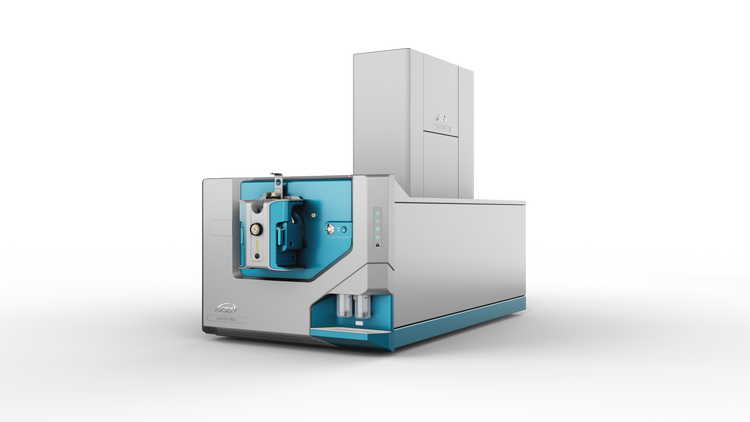
ZenoTOF 8600 system for Mass Spectrometry
Extraordinary discoveries demand extraordinary proof. The ZenoTOF 8600 system delivers new levels of sensitivity, combined with the versatility of EAD and Zeno-trap enabled workflows.
6. What does “manufacturing ready analytics” mean in practice?
Manufacturing-ready analytics are developed to scale alongside the program. They combine targeted and genome-wide sequencing with orthogonal chemical, biophysical and functional analyses, providing a solid understanding of the process and high-quality data for regulatory purposes.
7. When should teams begin planning for cGMP and regulatory support?
Ideally, planning should start early, before clinical entry. Defining starting material controls, such as gRNAs, plasmids or mRNA, phase appropriate quality systems and documentation strategies early on helps avoid rework and delays. Early access to cGMP reagent manufacturing and scalable process workflows supports smoother transitions into clinical manufacturing.
8. How does early workflow design reduce downstream risk?
Aligning reagents, analytics and quality systems early enhances reproducibility, facilitates scaling and streamlines validation. End to end workflows that account for downstream manufacturing needs help minimize the risk of late-stage surprises that could delay clinical development.
The life sciences companies of Danaher provide a range of solutions and services tailored to different phases to support genomic medicine applications. Reach out to our experts to discover how we can assist with your next breakthrough.